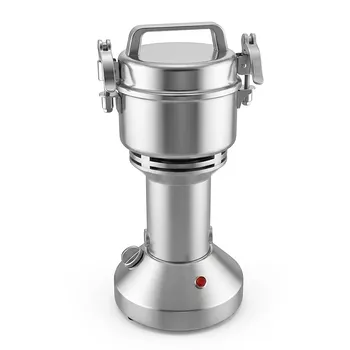
What is the primary purpose of using grinding equipment during the pretreatment of natural fiber raw materials? Boost Surface Area
Updated 4 months ago
Grinding equipment is the essential catalyst for transforming raw biomass into high-performance adsorbents. The primary purpose of using this equipment during pretreatment is to pulverize natural fibers into a fine powder, which exponentially increases the specific surface area of the material. This physical transformation facilitates the removal of impurities and water-soluble components while exposing a higher density of active reaction sites necessary for successful chemical modification.
The core function of grinding is to break down the physical defenses of bulky organic waste, creating the maximum possible surface area to ensure that subsequent chemical treatments and adsorption processes are both uniform and efficient.
Maximizing Surface Area for Chemical Efficiency
Increasing Accessible Reaction Sites
By reducing raw materials like cocoa pods or maize cobs to a powder, grinding exposes internal structures that were previously shielded. This exposure provides more active sites, such as hydroxyl groups, which are vital for the penetration and reaction of chemical reagents.
Disrupting Lignocellulosic Structures
Natural fibers often possess a compact, resilient lignocellulosic structure that resists chemical penetration. Mechanical grinding applies force to disrupt these bonds, allowing modification agents like citric acid or acetylation reagents to reach the internal fibrous matrix more effectively.
Enhancing Adsorption Capacity
A higher surface area per unit mass directly correlates to a better ability to capture contaminants. Whether targeting heavy metal ions like lead or pesticide molecules in aqueous solutions, the increased surface area provides the physical foundation for high-capacity capture.
Facilitating Purification and Uniformity
Streamlining Impurity Removal
Pulverizing the material makes it easier to wash away unwanted water-soluble components and surface impurities. This ensures that the final adsorbent is "clean," preventing interference during the critical adsorption phase.
Ensuring Material Consistency
Grinding ensures that raw materials from different species, such as beech or oak wood, reach a consistent initial physical state. This uniformity is crucial for achieving predictable oil absorption and ensuring that experimental data remains comparable across different samples.
Improving Flowability and Fractionation
For materials like peat, grinding improves flowability, allowing the particles to move smoothly through precision sieving and fractionation systems. This is a prerequisite for obtaining a narrow particle size distribution, which is often required for specialized wastewater treatment applications.
Understanding the Trade-offs
Energy Consumption vs. Particle Size
While finer particles generally offer better performance, the energy required to reach a specific fineness increases significantly as particle size decreases. Producers must balance the mechanical cost of grinding against the marginal gains in adsorption capacity.
Risk of Thermal Degradation
High-speed grinding can generate significant heat, which may inadvertently degrade sensitive organic components in the fibers. Careful monitoring is required to ensure that the mechanical process does not destroy the very functional groups needed for chemical modification.
Handling and Dust Management
Transforming bulky waste into fine powder introduces challenges regarding dust control and material loss. Fine powders are more difficult to contain and can pose respiratory risks or explosion hazards if not managed within a controlled industrial environment.
Applying Pretreatment Strategies to Your Project
Recommendations Based on Your Objectives
- If your primary focus is maximizing heavy metal capture: Use high-intensity grinding to achieve the smallest possible particle size, as this maximizes the exposure of active sites for ion exchange.
- If your primary focus is chemical modification efficiency: Prioritize grinding that disrupts the lignocellulosic structure to allow deep penetration of reagents like citric acid into the fiber core.
- If your primary focus is experimental reproducibility: Focus on achieving a highly consistent particle fineness to ensure that all samples respond uniformly to subsequent washing and modification steps.
By mastering the mechanical pretreatment of natural fibers, you provide the essential physical foundation required for any high-capacity adsorbent.
Summary Table:
| Pretreatment Function | Physical/Chemical Effect | Benefit for Adsorbent Production |
|---|---|---|
| Surface Area Expansion | Pulverizes fibers into fine powder | Exponentially increases active sites for contaminant capture |
| Structural Disruption | Breaks down resilient lignocellulose | Facilitates deep penetration of chemical modification agents |
| Impurity Removal | Increases accessibility for washing | Streamlines the removal of water-soluble components |
| Uniformity Control | Standardizes particle size distribution | Ensures consistent oil/metal absorption and reproducibility |
| Flowability Improvement | Optimizes material handling | Enables precise sieving and fractionation for specialized use |
Optimize Your Adsorbent Research with Professional Sample Preparation
To achieve high-capacity adsorption, the quality of your powder pretreatment is non-negotiable. Our company provides complete laboratory sample preparation solutions for material science, specializing in the precision powder processing and compaction equipment required to transform raw biomass into advanced functional materials.
Our specialized equipment range includes:
- Precision Grinding & Milling: Crushers (jaw/roll), liquid nitrogen cryogenic grinders, and versatile mills (planetary ball, jet, sand/bead, disc, rotor) to reach ideal particle fineness without thermal degradation.
- Sieving & Mixing: High-performance vibratory/air-jet sieve shakers and mixers to ensure material consistency and purity.
- Advanced Compaction: A full spectrum of hydraulic presses, including Cold/Warm Isostatic Presses (CIP/WIP), XRF pellet presses, and vacuum hot presses for final product shaping.
Don't let suboptimal pretreatment limit your material's potential. Contact us today to discuss your project requirements and discover how our equipment can enhance your laboratory's efficiency and experimental accuracy!
References
- Jude Chinedu Onwuka, Friday Godwin Okibe. Treatment of crude oil-contaminated water with chemically modified natural fiber. DOI: 10.1007/s13201-018-0727-5
Mentioned Products
- Small Ceramic Structure Laboratory Sand Mill Nanoscale Grinding Dispersion Equipment Seal-less Screen-less Design
- Continuous Feeding Grinding Mill for Dry Fibrous Tough and Hard Materials in Laboratory and Small Production
- Small High-Speed Laboratory Grinder for Powder Processing
- Multifunctional High Efficiency High Speed Laboratory Grinder
- Low Temperature Water Cooled Continuous Feed Grinder Two Stage Coarse and Fine Grinding System
People Also Ask
- Why is a sand mill used to process solid carbon-forming agents like PPVA and PER? Enhance Dispersion & Flame Retardancy
- What is the role of laboratory grinding equipment in the preparation of waste glass powder for eco-friendly red bricks?
- Why is grinding equipment necessary for SnO2-Sb2O3 xerogels? Maximize surface area and photocatalytic activity.
- How does laboratory grinding or pulverizing equipment influence eggshell-derived adsorbents? Maximize Surface Area.
- What is the primary role of grinding equipment in BLA preparation? Enhance Reactivity & Material Uniformity

Tech Team · PowderPreparation
Last updated on Jun 03, 2026
Related Products
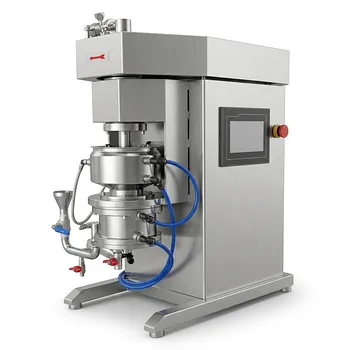
Small Ceramic Structure Laboratory Sand Mill Nanoscale Grinding Dispersion Equipment Seal-less Screen-less Design
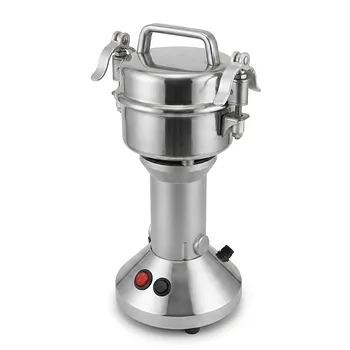
Continuous Feeding Grinding Mill for Dry Fibrous Tough and Hard Materials in Laboratory and Small Production
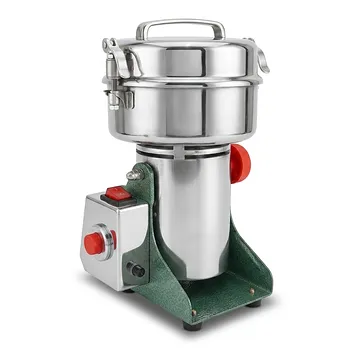
Small High-Speed Laboratory Grinder for Powder Processing
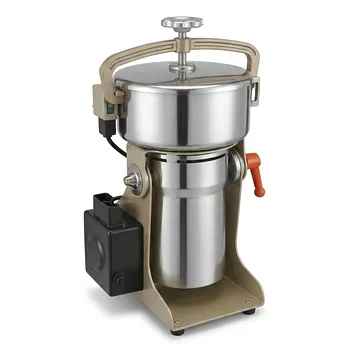
Multifunctional High Efficiency High Speed Laboratory Grinder
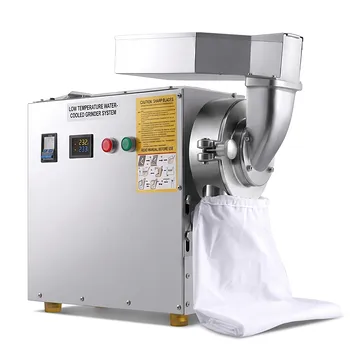
Low Temperature Water Cooled Continuous Feed Grinder Two Stage Coarse and Fine Grinding System
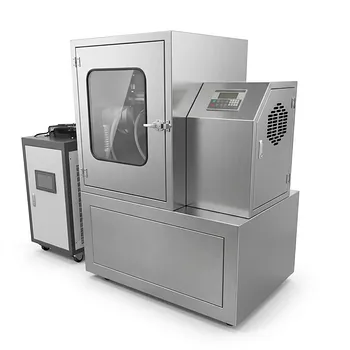
Vibratory Superfine Grinder for Ultra Fine Laboratory Powder Milling
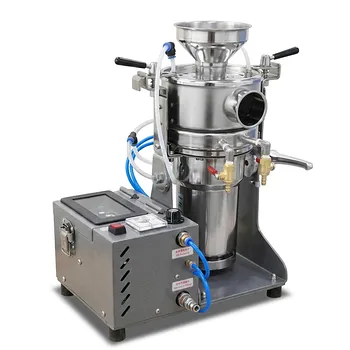
Water Cooled Pulse Jet Ultrafine Grinder
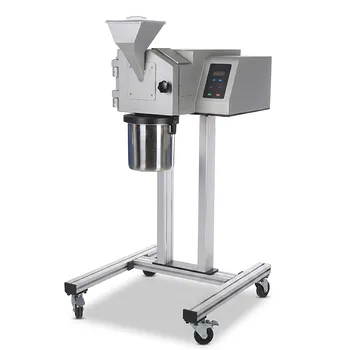
Cross Beater Mill for Brittle Material Grinding and Continuous Fine Crushing Industrial Sample Preparation
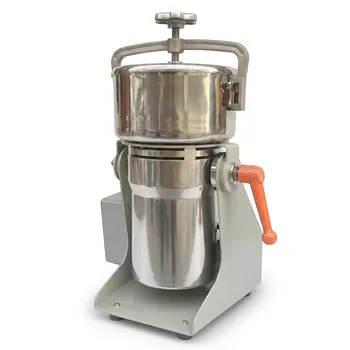
High Speed Laboratory Grinder Efficient Stainless Steel Powder Pulverizer Universal Material Science Mill for Sample Preparation
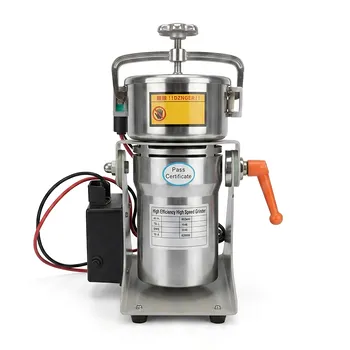
High Efficiency High Speed Grinder Laboratory Mill 1300W 25000rpm
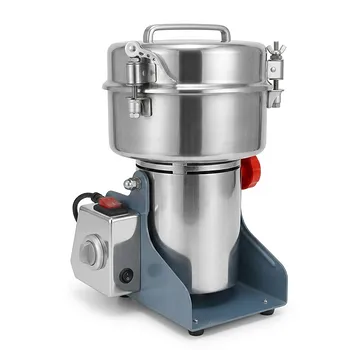
Small High-Speed Grinder for Efficient Laboratory Sample Preparation
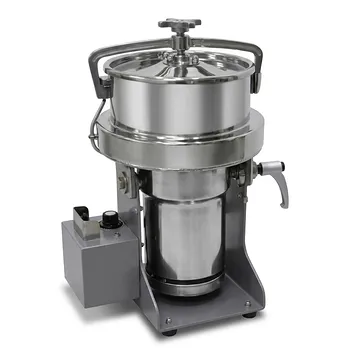
500g Capacity Water Cooled Low Temperature Grinder with Variable Speed and Safety Cover
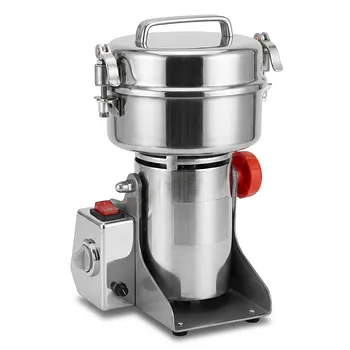
High Speed Laboratory Powder Grinder Small Batch Sample Preparation Mill
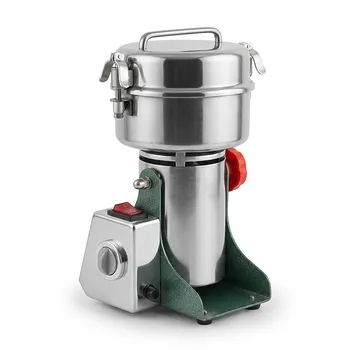
Small High-Speed Swing Grinder for Laboratory Sample Preparation
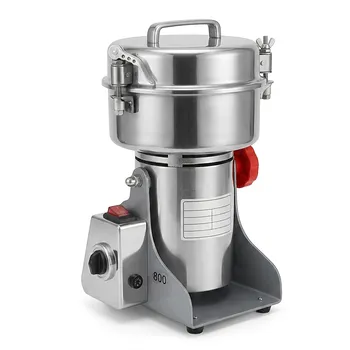
Small High-Speed Laboratory Grinder for Rapid Sample Preparation
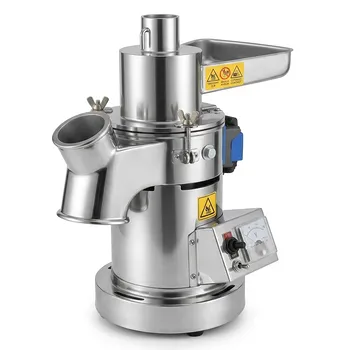
Continuous Feeding Grinder High Efficiency Pulverizer for Lab Sample Preparation
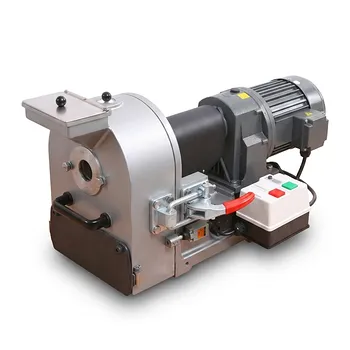
Laboratory Disc Mill for Fine Sample Preparation of Hard and Brittle Materials
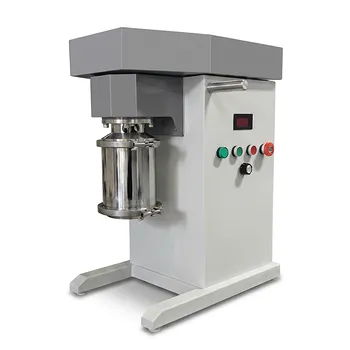
Nano Laboratory Bead Mill Desktop Sub Micron Sand Mill Screenless Seal Less Powder Grinder
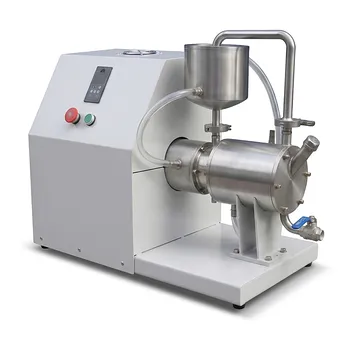
Laboratory Small Horizontal Sand Mill for Nano Materials Wet Grinding