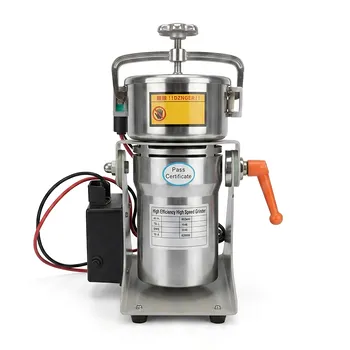
What is the primary objective of using industrial-grade grinding or milling equipment in the pretreatment? Key Benefits
Updated 5 months ago
The primary objective of using industrial-grade grinding or milling equipment is to maximize the specific surface area of biomass while disrupting its compact, resilient lignocellulosic structure. This mechanical refinement transforms bulky raw materials into a fine powder, which exposes internal active sites—specifically hydroxyl groups—that are otherwise inaccessible. This exposure is critical for ensuring that subsequent chemical reagents, such as those used in acetylation or acid hydrolysis, can penetrate the material efficiently and react uniformly.
Grinding acts as the essential "unlocking" phase of pretreatment, converting macro-scale biomass into a high-reactivity feedstock. By increasing the available contact interface, it ensures that downstream chemical, biological, or thermal processes are both faster and more cost-effective.
The Mechanics of Surface Area Expansion
Maximizing Active Reaction Sites
Lignocellulosic fibers are naturally designed to be durable and resistant to environmental breakdown. Grinding shears these fibers, significantly increasing the ratio of surface area to volume. This provides a greater number of active sites for chemical reagents to bind with, which is a prerequisite for efficient chemical modification.
Enhancing Reaction Uniformity
In large-scale industrial processes, inconsistency is a major failure point. Refining biomass into a fine, consistent powder ensures that every particle reacts at a similar rate during subsequent steps like extraction or hydrothermal treatment. This uniformity prevents "under-processed" cores in large particles, which would otherwise decrease overall yield.
Improving Reagent Penetration
Compact biomass structures act as a physical barrier to liquid reagents. Mechanical milling breaks these barriers down, allowing chemicals to saturate the fiber matrix rather than just coating the exterior. This deep penetration is vital for processes requiring deep structural changes, such as the production of paper sludge fuel or modified wood pellets.
Structural Disruption and Operational Efficiency
Overcoming Recalcitrance
Lignocellulose is notoriously "recalcitrant," meaning it resists being broken down into sugars or modified chemically. Industrial-grade grinders use high-speed blades or impact forces to physically shatter this resistance. This physical "pre-activation" reduces the amount of time and chemical volume required in later stages of production.
Facilitating Material Handling
Large-sized agricultural waste, such as barley straw or coconut shells, is difficult to transport and feed into reactors. Cutting mills reduce these materials to a preliminary size (e.g., 4mm or smaller) to ensure a smooth, continuous supply to downstream equipment. This prevents blockages and allows for the automation of the entire production line.
Optimizing Physical Cross-Linking
For applications like fuel pellet production, the fineness of the grind directly impacts the quality of the final product. Fine particles allow for tighter physical cross-linking during mechanical pressing. This results in pellets with superior mechanical strength and more consistent combustion performance.
Understanding the Trade-offs
Energy Consumption vs. Yield
Achieving an extremely fine particle size (e.g., less than 0.5 mm) requires significant energy input. You must carefully calculate the "diminishing returns" point where the cost of additional grinding exceeds the value of the increased chemical yield. In many industrial contexts, "fine enough" is often more profitable than "maximum fineness."
Thermal Degradation Risks
High-speed milling generates localized heat through friction. This heat can inadvertently degrade sensitive organic components or alter the moisture content of the biomass. If the chemical integrity of the material is paramount, such as in precision characterization, cooling systems or slower milling speeds may be required to maintain data accuracy.
Equipment Wear and Maintenance
Lignocellulosic materials can be highly abrasive, especially those with high silica content like rice straw or nut shells. Constant milling of these materials leads to rapid wear on blades and liners. A robust maintenance schedule is non-negotiable to prevent particle size "drift," which can compromise the consistency of the entire pretreatment batch.
Making the Right Choice for Your Project
To select the appropriate milling strategy, you must align your mechanical intensity with your final output goals.
- If your primary focus is Chemical Modification (e.g., Acetylation): Prioritize fine grinding to maximize the exposure of hydroxyl groups and increase active reaction sites.
- If your primary focus is Industrial Scale-Up and Logistics: Focus on primary crushing to a uniform particle size (e.g., 4mm) to ensure consistent feeding and prevent system clogs.
- If your primary focus is Fuel or Pellet Production: Utilize fine milling to facilitate tighter physical cross-linking and enhance the mechanical durability of the finished pellet.
- If your primary focus is Laboratory Characterization: Use precision mills to achieve a highly specific particle size (e.g., 0.5 mm) to ensure the comparability and repeatability of experimental data.
Effective mechanical pretreatment is the foundation upon which all efficient biomass conversion processes are built.
Summary Table:
| Objective | Mechanical Action | Primary Benefit |
|---|---|---|
| Surface Area Expansion | Shearing and pulverization | Increases active sites (hydroxyl groups) for reagents. |
| Structural Disruption | High-speed impact/friction | Overcomes recalcitrance and allows deep chemical penetration. |
| Reaction Uniformity | Size homogenization | Ensures consistent processing speeds and prevents unreacted cores. |
| Process Efficiency | Macro-to-micro reduction | Facilitates automated handling and reduces downstream chemical costs. |
| Material Consolidation | Fine milling | Enhances physical cross-linking for high-strength pellet production. |
Optimize Your Biomass Pretreatment with Industry-Leading Equipment
Achieving the perfect particle size is the foundation of efficient material science and biomass conversion. At [Company Name], we provide complete laboratory sample preparation solutions specifically designed to overcome material recalcitrance and maximize reaction yields.
Our extensive equipment line includes:
- Size Reduction: High-performance crushers (jaw/roll), liquid nitrogen cryogenic grinders, and specialized mills (planetary ball, jet, sand/bead, disc, and rotor).
- Classification & Mixing: Vibratory and air-jet sieve shakers for precise particle analysis, plus high-efficiency powder and defoaming mixers.
- Compaction & Processing: A full spectrum of hydraulic presses, including Cold/Warm Isostatic Presses (CIP/WIP), XRF pellet presses, and vacuum hot presses.
Whether you are focusing on acetylation, fuel pellet production, or laboratory characterization, our tools ensure the uniformity and reactivity your project demands.
Ready to elevate your powder processing efficiency?
Contact our technical experts today to find the right solution for your lab!
References
- Jude Chinedu Onwuka, Friday Godwin Okibe. Thermodynamic pathway of lignocellulosic acetylation process. DOI: 10.1186/s13065-019-0593-8
Mentioned Products
- Continuous Feeding Grinder High Efficiency Pulverizer for Lab Sample Preparation
- Industrial Knife Mill for Food and Biological Sample Preparation High Speed Laboratory Homogenizer
- Laboratory Mortar Grinder for Sample Preparation and Cryogenic Powder Homogenization
- Water Cooled Airflow Ultra Fine Grinder for Low Temperature Material Processing
- Continuous Feeding Grinding Mill for Dry Fibrous Tough and Hard Materials in Laboratory and Small Production
People Also Ask
- Why must soil samples be ground before XRD or XRF analysis? Ensure Precision & Homogeneity in Lab Results
- What is the function of a laboratory blender for mixed fuels? Achieving Microscopic Uniformity for Accurate Analysis
- What is the function of a laboratory pulverizer in Boerhavia diffusa-based adsorbent prep? Maximize Surface Area
- What are the technical advantages of using a high-speed laboratory pulverizer for grinding tablets into powders? 20K RPM
- What is the function of laboratory-scale pulverizing equipment in bio-adsorptive film prep? Maximize Surface Area

Tech Team · PowderPreparation
Last updated on May 14, 2026
Related Products
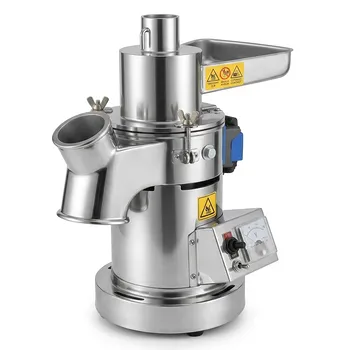
Continuous Feeding Grinder High Efficiency Pulverizer for Lab Sample Preparation

Industrial Knife Mill for Food and Biological Sample Preparation High Speed Laboratory Homogenizer

Laboratory Mortar Grinder for Sample Preparation and Cryogenic Powder Homogenization
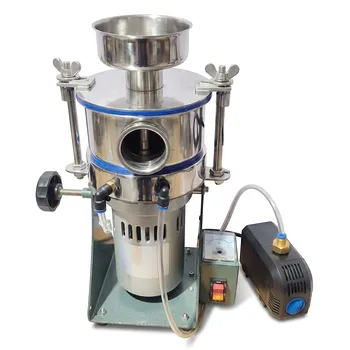
Water Cooled Airflow Ultra Fine Grinder for Low Temperature Material Processing
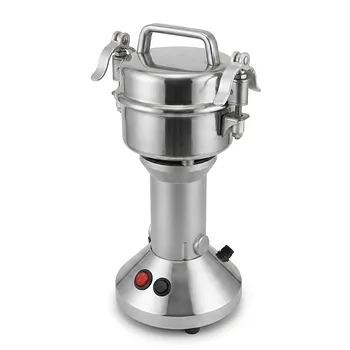
Continuous Feeding Grinding Mill for Dry Fibrous Tough and Hard Materials in Laboratory and Small Production
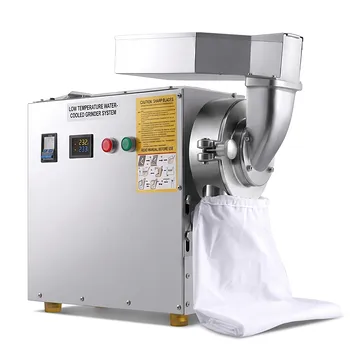
Low Temperature Water Cooled Continuous Feed Grinder Two Stage Coarse and Fine Grinding System
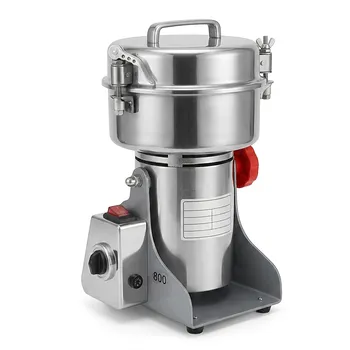
Small High-Speed Laboratory Grinder for Rapid Sample Preparation
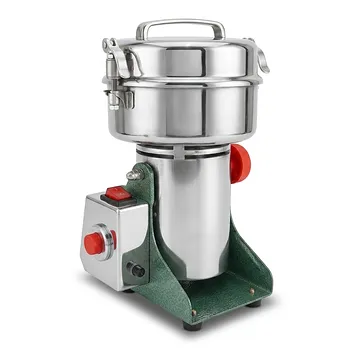
Small High-Speed Laboratory Grinder for Powder Processing
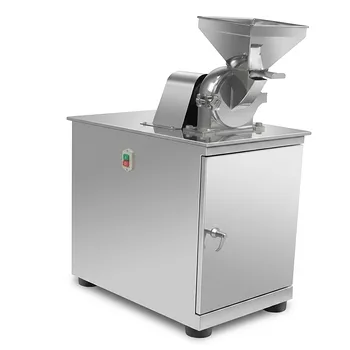
Universal Laboratory Pulverizer Grinder for Small Batch Powder Processing and Material Science Research
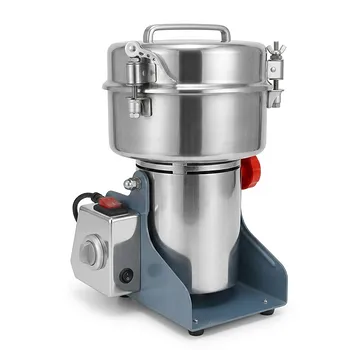
Small High-Speed Grinder for Efficient Laboratory Sample Preparation
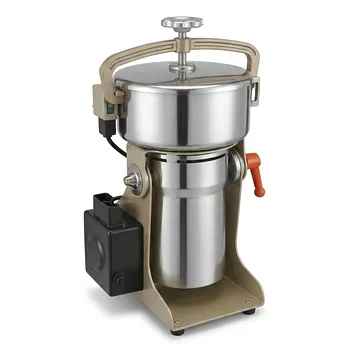
Multifunctional High Efficiency High Speed Laboratory Grinder
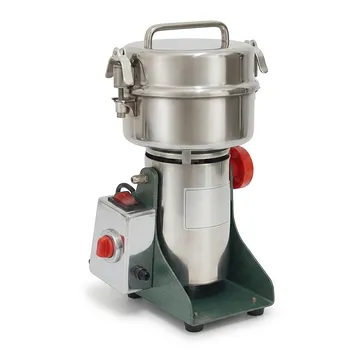
Small High Speed Grinder for Laboratory Sample Preparation
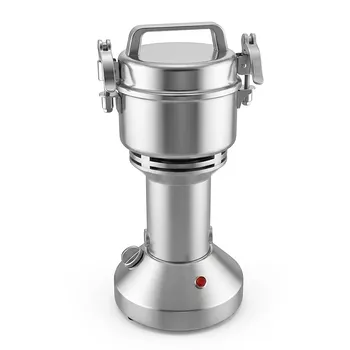
Small High Speed Upright Grinder for Laboratory Sample Preparation
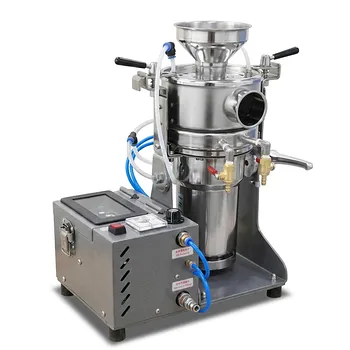
Water Cooled Pulse Jet Ultrafine Grinder
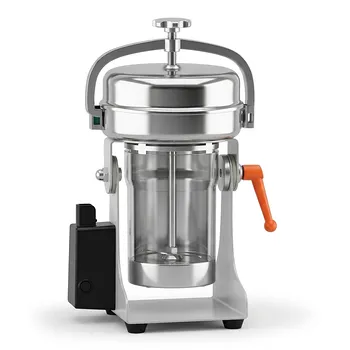
High Efficiency High Speed Grinder 2200W 25000 RPM Laboratory Sample Preparation
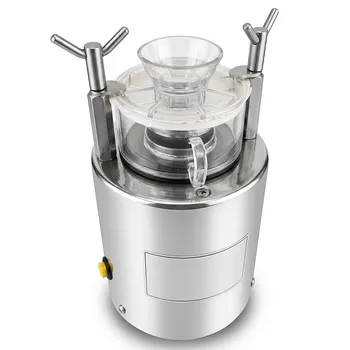
Laboratory Desktop Ultra Fine Powder Grinder High Speed Micronizing Pulverizer
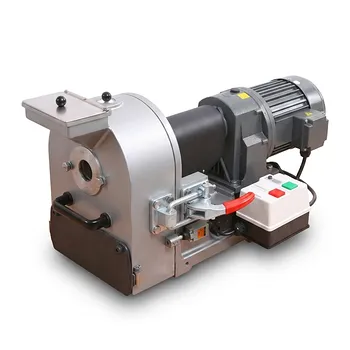
Laboratory Disc Mill for Fine Sample Preparation of Hard and Brittle Materials
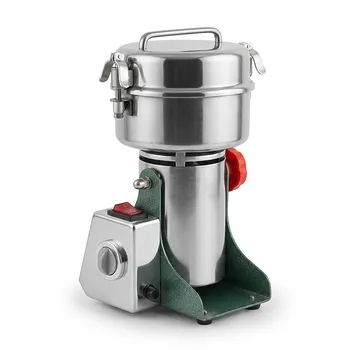
Small High-Speed Swing Grinder for Laboratory Sample Preparation
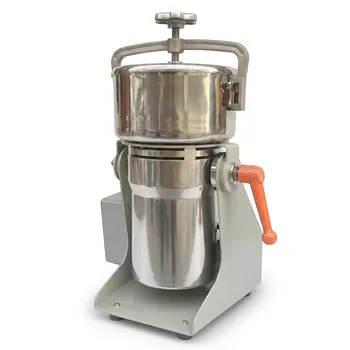
High Speed Laboratory Grinder Efficient Stainless Steel Powder Pulverizer Universal Material Science Mill for Sample Preparation