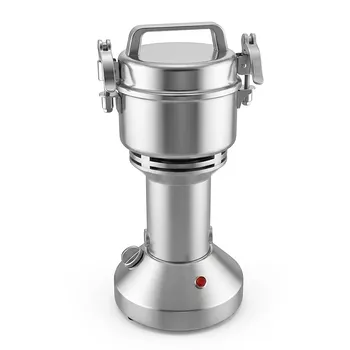
What is the primary function of grinding equipment for granite residues? Optimize Your Red Ceramic Production
Updated 5 months ago
The primary function of grinding equipment when processing granite residues is to refine the material into a fine powder with a specific, low-granularity particle size. This physical transformation is critical because it prevents the formation of stress cracks during the sintering process and ensures the granite particles can effectively fill voids within the clay matrix. By reducing the particle size, the equipment facilitates liquid phase sintering, which significantly enhances the final product's density and mechanical strength.
To successfully incorporate granite residues into red ceramic production, grinding equipment must be used to modify the residue's physical structure. This process moves beyond simple size reduction, focusing on optimizing the material's reactivity and its ability to bond within the clay matrix to ensure structural integrity.
Enhancing Structural Integrity and Performance
Preventing Stress Cracks Through Refinement
Unrefined granite residues often contain large or irregular particles that create localized stress points during the heating process. Grinding equipment reduces these residues to a low-granularity state, ensuring a more homogenous distribution of material. This uniformity is the primary defense against the development of stress cracks that occur as the ceramic piece undergoes thermal expansion and contraction.
Maximizing Density and Mechanical Strength
The fine powder produced by industrial grinding acts as a micro-filler that occupies the natural voids within the clay structure. By filling these gaps, the granite residue increases the overall compaction of the "green" (unfired) ceramic body. This high-density packing is a prerequisite for achieving the mechanical strength required for high-quality red ceramic products.
The Role of Grinding in Chemical and Physical Transformation
Promoting Liquid Phase Sintering
Refined granite particles have a much higher specific surface area, which increases their thermodynamic reactivity during firing. This increased surface area promotes liquid phase sintering, a process where the granite particles help form a glass-like bond between the clay minerals. This transition is essential for creating a durable, non-porous ceramic structure with a highly uniform microstructure.
Increasing Reaction Activity and Homogeneity
Grinding provides the mechanical energy necessary to break up raw material agglomerations and increase the surface energy of the powder. This heightened energy state provides more reaction sites for chemical transitions during the firing stage. Furthermore, the refinement process ensures macroscopic homogeneity, allowing the granite and clay to mix uniformly at a microscopic level.
Understanding the Trade-offs
Operational Costs vs. Material Fineness
While finer particles generally improve sintering quality, achieving extreme fineness requires significantly higher energy consumption and longer processing times. Producers must find the "sweet spot" where the particle size is small enough to prevent cracks but large enough to keep operational costs sustainable.
The Risk of Over-Processing
Excessive grinding can lead to an over-increase in surface energy, which may cause the fine powder to agglomerate or clump together before it can be mixed. Additionally, over-refined materials can alter the drying characteristics of the ceramic, potentially leading to warping if the moisture release is not carefully managed.
Making the Right Choice for Your Goal
To optimize your raw material preparation, align your grinding parameters with your specific production objectives:
- If your primary focus is structural durability: Prioritize a grinding consistency that maximizes the filling of clay voids to achieve the highest possible density.
- If your primary focus is reducing kiln waste: Ensure the equipment is calibrated to eliminate all high-granularity particles that act as precursors to stress cracks.
- If your primary focus is energy efficiency: Aim for the coarsest possible particle size that still facilitates adequate liquid phase sintering to minimize grinding time.
By precisely controlling the grinding process, you transform industrial granite waste into a high-performance additive that strengthens the fundamental structure of red ceramic materials.
Summary Table:
| Key Function | Impact on Ceramic Quality |
|---|---|
| Particle Refinement | Eliminates large particles to prevent stress cracks during sintering. |
| Micro-filling | Fills voids in the clay matrix to maximize density and mechanical strength. |
| Surface Area Boost | Promotes liquid phase sintering for a durable, non-porous structure. |
| Homogenization | Ensures uniform chemical transitions and consistent material microstructure. |
Elevate Your Material Preparation with Professional Grinding Solutions
Transforming industrial granite residues into high-quality ceramic components requires precision and the right equipment. Contact us today to discover how our complete laboratory sample preparation solutions can optimize your R&D and production workflows.
We specialize in high-performance powder processing and compaction equipment tailored for material science:
- Advanced Milling: Achieve perfect granularity with our planetary ball mills, jet mills, and disc mills.
- Sample Preparation: High-efficiency crushers (jaw/roll) and cryogenic grinders for even the toughest residues.
- Superior Compaction: A full spectrum of hydraulic presses, including Cold/Warm Isostatic Presses (CIP/WIP), vacuum hot presses, and XRF pellet presses.
- Sifting & Mixing: Vibratory sieve shakers and high-speed defoaming mixers for total macroscopic homogeneity.
Let our experts help you select the ideal equipment to enhance your ceramic's structural integrity while maintaining energy efficiency. Get a professional consultation now!
References
- Kelson Silva de Almeida, José Milton Elias de Matos. Efeito de resíduos de gesso e de granito em produtos da indústria de cerâmica vermelha: revisão bibliográfica. DOI: 10.1590/s1517-707620200001.0893
Mentioned Products
- Small Ceramic Structure Laboratory Sand Mill Nanoscale Grinding Dispersion Equipment Seal-less Screen-less Design
- Continuous Feeding Grinding Mill for Dry Fibrous Tough and Hard Materials in Laboratory and Small Production
- Small High-Speed Laboratory Grinder for Powder Processing
- Multifunctional High Efficiency High Speed Laboratory Grinder
- Low Temperature Water Cooled Continuous Feed Grinder Two Stage Coarse and Fine Grinding System
People Also Ask
- Why is a sand mill used to process solid carbon-forming agents like PPVA and PER? Enhance Dispersion & Flame Retardancy
- What is the role of laboratory grinding equipment in the preparation of waste glass powder for eco-friendly red bricks?
- Why is grinding equipment necessary for SnO2-Sb2O3 xerogels? Maximize surface area and photocatalytic activity.
- How does laboratory grinding or pulverizing equipment influence eggshell-derived adsorbents? Maximize Surface Area.
- What is the primary role of grinding equipment in BLA preparation? Enhance Reactivity & Material Uniformity

Tech Team · PowderPreparation
Last updated on May 14, 2026
Related Products
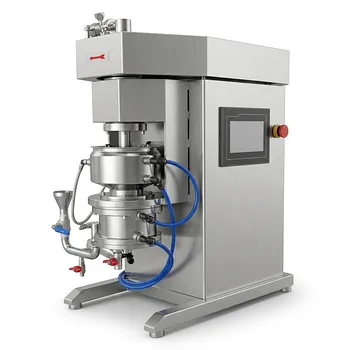
Small Ceramic Structure Laboratory Sand Mill Nanoscale Grinding Dispersion Equipment Seal-less Screen-less Design
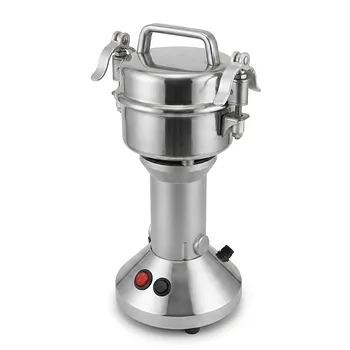
Continuous Feeding Grinding Mill for Dry Fibrous Tough and Hard Materials in Laboratory and Small Production
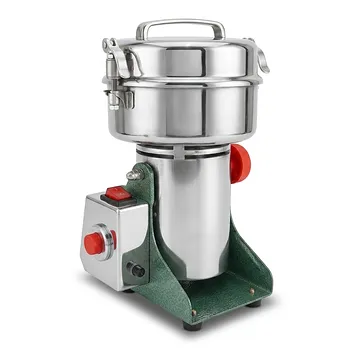
Small High-Speed Laboratory Grinder for Powder Processing
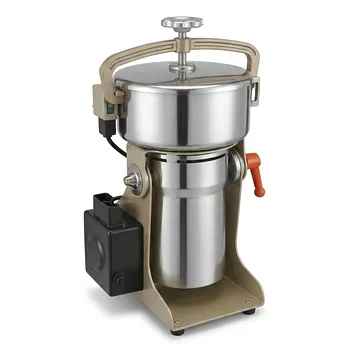
Multifunctional High Efficiency High Speed Laboratory Grinder
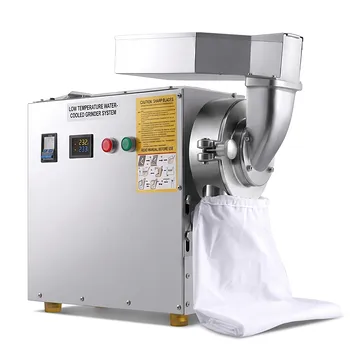
Low Temperature Water Cooled Continuous Feed Grinder Two Stage Coarse and Fine Grinding System
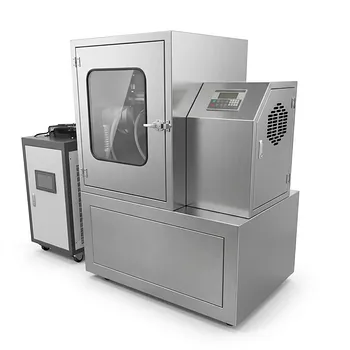
Vibratory Superfine Grinder for Ultra Fine Laboratory Powder Milling
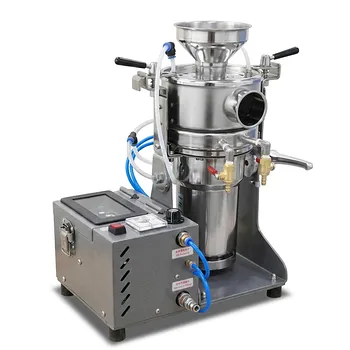
Water Cooled Pulse Jet Ultrafine Grinder
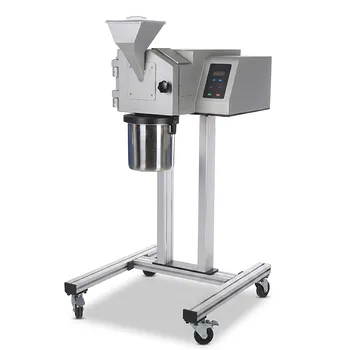
Cross Beater Mill for Brittle Material Grinding and Continuous Fine Crushing Industrial Sample Preparation
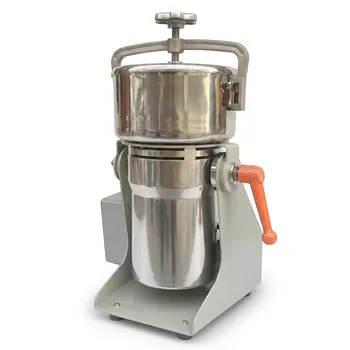
High Speed Laboratory Grinder Efficient Stainless Steel Powder Pulverizer Universal Material Science Mill for Sample Preparation
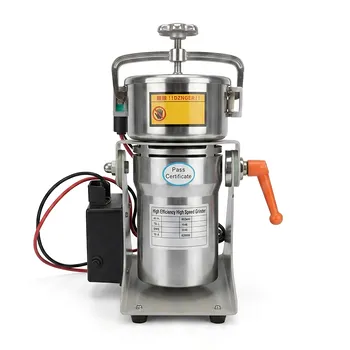
High Efficiency High Speed Grinder Laboratory Mill 1300W 25000rpm
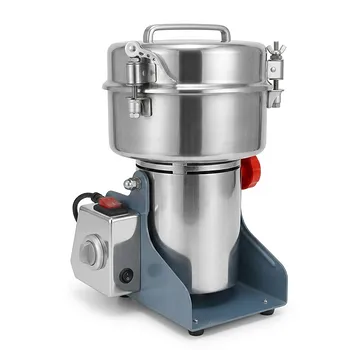
Small High-Speed Grinder for Efficient Laboratory Sample Preparation
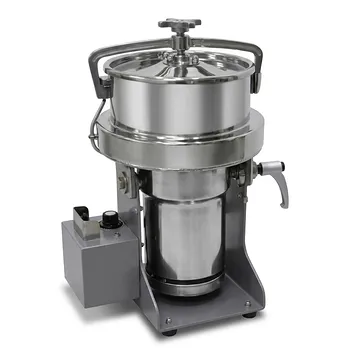
500g Capacity Water Cooled Low Temperature Grinder with Variable Speed and Safety Cover
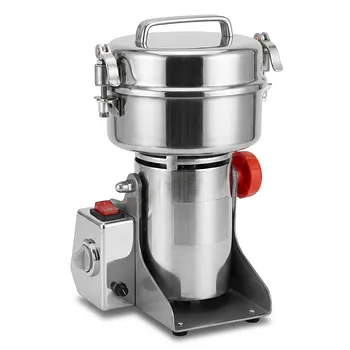
High Speed Laboratory Powder Grinder Small Batch Sample Preparation Mill
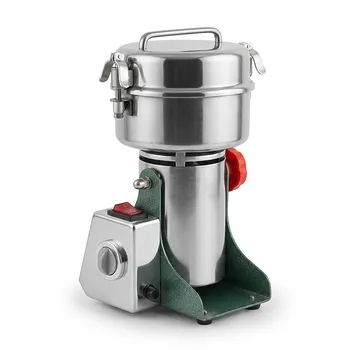
Small High-Speed Swing Grinder for Laboratory Sample Preparation
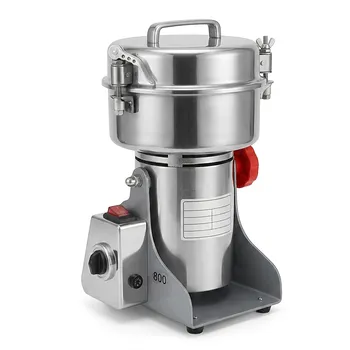
Small High-Speed Laboratory Grinder for Rapid Sample Preparation
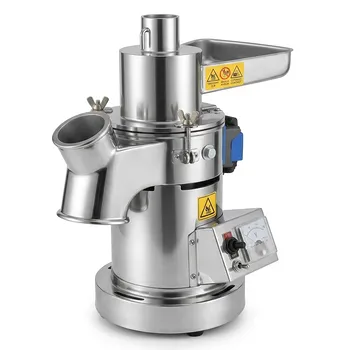
Continuous Feeding Grinder High Efficiency Pulverizer for Lab Sample Preparation
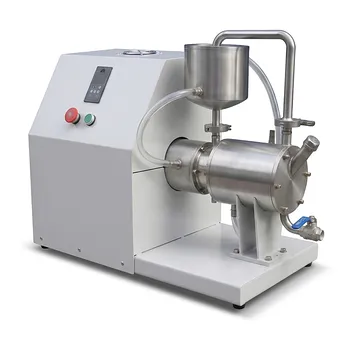
Laboratory Small Horizontal Sand Mill for Nano Materials Wet Grinding
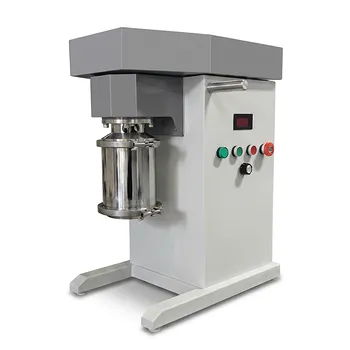
Nano Laboratory Bead Mill Desktop Sub Micron Sand Mill Screenless Seal Less Powder Grinder
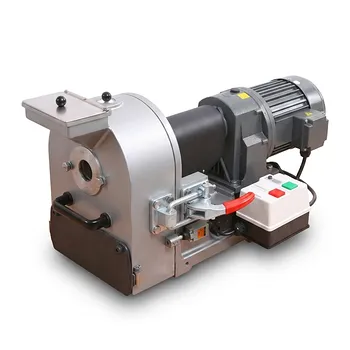
Laboratory Disc Mill for Fine Sample Preparation of Hard and Brittle Materials