What is the primary function of grinding equipment in the processing of polycrystalline oxide ceramics? Enhance Reactivity
Updated 4 months ago
In the processing of polycrystalline oxide ceramics, the primary function of grinding equipment is to modify the microscopic structure of powders through physical mechanical action. This process increases the specific surface area of the raw materials and ensures the uniform distribution of chemical components. By refining particle size and breaking down agglomerates, grinding establishes the necessary energy state and homogeneity required for high-quality sintering and final mechanical performance.
Grinding equipment acts as the critical bridge between raw material preparation and structural integrity, utilizing mechanical force to optimize particle reactivity. This refinement is essential for controlling phase transformations and ensuring the ceramic achieves its intended strength and density.
Enhancing Material Reactivity and Homogeneity
Increasing Specific Surface Area
Grinding equipment utilizes physical force to refine powder particles, which significantly increases their effective specific surface area. This expanded surface area enhances contact between particles, thereby increasing solid-state reaction activity during thermal treatment.
Achieving Microscopic Uniformity
The mechanical action ensures that various chemical components achieve a uniform distribution at a microscopic scale. This atomic-level blending is critical for the formation of covalent bonds and the creation of a structurally consistent ceramic matrix.
Deagglomeration of Particles
Grinding is essential for breaking down powder agglomerates that naturally form in raw materials or slurries. Eliminating these clusters ensures that active components are dispersed evenly, preventing localized defects in the final product.
Influencing Sintering and Mechanical Properties
Controlling Crystal Structure Evolution
The energy provided by grinding equipment directly influences how crystal structures evolve under load during subsequent processing. This mechanical "pre-activation" determines the phase transformation characteristics, which are vital for the material's durability.
Improving Sintering Density
Reducing particle size allows fine powders to better fill clay voids and promotes liquid phase sintering. This leads to a denser ceramic body with enhanced mechanical strength and a significant reduction in porosity.
Preventing Structural Defects
Consistent grinding helps prevent the formation of stress cracks during the sintering process. By ensuring a uniform particle size distribution, the material undergoes more even thermal expansion and contraction, preserving the integrity of the piece.
Understanding the Trade-offs
Refinement vs. Contamination
While finer particles generally improve reactivity, prolonged grinding increases the risk of media wear. This can introduce unwanted impurities from the grinding balls or liner into the high-purity oxide powder, potentially degrading electrical or mechanical properties.
Energy Consumption and Throughput
Achieving sub-micron or nanoscale powders requires significantly higher energy inputs and longer processing times. Manufacturers must balance the need for extreme refinement with the economic realities of production throughput and equipment longevity.
Wet vs. Dry Grinding Limitations
Wet grinding offers superior lubrication and prevents dust, but requires an energy-intensive drying stage that may cause particles to re-agglomerate. Dry grinding avoids the drying step but often struggles to achieve the same level of sub-micron uniformity due to heat buildup and particle caking.
How to Apply This to Your Project
The choice of grinding strategy should be dictated by the specific performance requirements of the final oxide ceramic component.
- If your primary focus is maximizing flexural strength: Utilize high-energy milling to achieve a high specific surface area and ensure atomic-level distribution of all phases.
- If your primary focus is preventing cracks in large components: Prioritize uniform particle size distribution to minimize internal stresses and ensure consistent shrinkage during the sintering cycle.
- If your primary focus is high-purity additive manufacturing: Opt for industrial-scale grinding that incorporates chemical extraction prerequisites to reach the necessary purity levels before forming.
Precise control over the grinding process is the foundational step in transforming raw oxide powders into high-performance engineering ceramics.
Summary Table:
| Key Function | Mechanism of Action | Impact on Final Ceramic |
|---|---|---|
| Particle Refinement | Increases specific surface area via mechanical force | Enhances solid-state reaction activity and sintering speed |
| Homogenization | Microscopic distribution of chemical components | Ensures consistent phase formation and structural integrity |
| Deagglomeration | Breaking down powder clusters and clusters | Prevents localized defects and promotes uniform density |
| Energy Activation | Modifies microscopic crystal structure evolution | Controls phase transformations and improves mechanical strength |
Elevate Your Material Science Research with Precision Equipment
Achieving the perfect microscopic structure in polycrystalline oxide ceramics requires more than just grinding—it requires precision and reliability. [Your Brand Name] provides complete laboratory sample preparation solutions tailored for advanced material science.
We specialize in high-performance powder processing and compaction equipment, including:
- Advanced Mills: Planetary ball mills, jet mills, sand/bead mills, and cryogenic grinders for sub-micron refinement.
- Preparation Tools: Jaw/roll crushers, sieve shakers, and high-efficiency powder mixers.
- Compaction Solutions: A full spectrum of hydraulic presses, including Cold/Warm Isostatic Presses (CIP/WIP), vacuum hot presses, and XRF pellet presses.
Whether you are looking to maximize flexural strength or eliminate structural defects, our expert team is ready to help you find the right solution.
Contact us today to optimize your laboratory workflow!
References
- Anna Hakobyan, Lilit Saghatelyan. CRYSTALLINE OXIDE CERAMICS AT VARIOUS STAGES OF THE TECHNOLOGICAL PROCESS COMPARATIVE CHARACTERISTICS OF THE TECHNOLOGICAL PROCESS. DOI: 10.58240/1829006x-2023.19.2-90
Mentioned Products
- Small Ceramic Structure Laboratory Sand Mill Nanoscale Grinding Dispersion Equipment Seal-less Screen-less Design
- Nano Laboratory Bead Mill Desktop Sub Micron Sand Mill Screenless Seal Less Powder Grinder
- Cross Beater Mill for Brittle Material Grinding and Continuous Fine Crushing Industrial Sample Preparation
- Small High-Speed Laboratory Grinder for Powder Processing
- Laboratory Disc Mill for Fine Sample Preparation of Hard and Brittle Materials
People Also Ask
- Why is a sand mill used to process solid carbon-forming agents like PPVA and PER? Enhance Dispersion & Flame Retardancy
- What is the role of laboratory grinding equipment in the preparation of waste glass powder for eco-friendly red bricks?
- Why is grinding equipment necessary for SnO2-Sb2O3 xerogels? Maximize surface area and photocatalytic activity.
- How does laboratory grinding or pulverizing equipment influence eggshell-derived adsorbents? Maximize Surface Area.
- What is the primary role of grinding equipment in BLA preparation? Enhance Reactivity & Material Uniformity

Tech Team · PowderPreparation
Last updated on Jun 03, 2026
Related Products
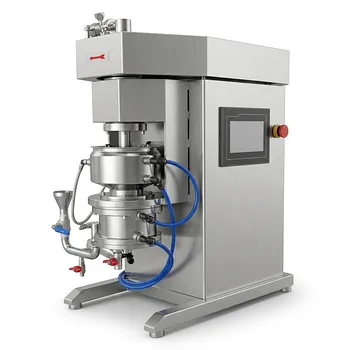
Small Ceramic Structure Laboratory Sand Mill Nanoscale Grinding Dispersion Equipment Seal-less Screen-less Design
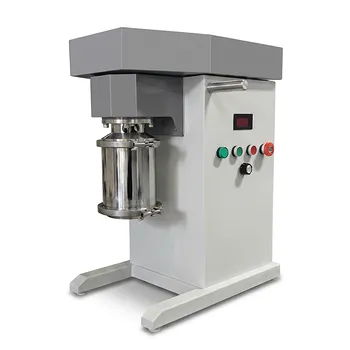
Nano Laboratory Bead Mill Desktop Sub Micron Sand Mill Screenless Seal Less Powder Grinder
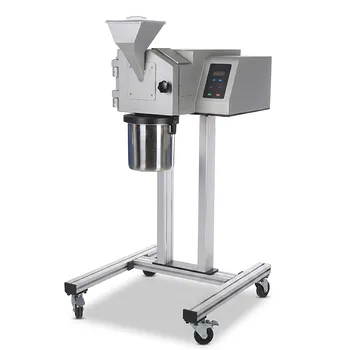
Cross Beater Mill for Brittle Material Grinding and Continuous Fine Crushing Industrial Sample Preparation
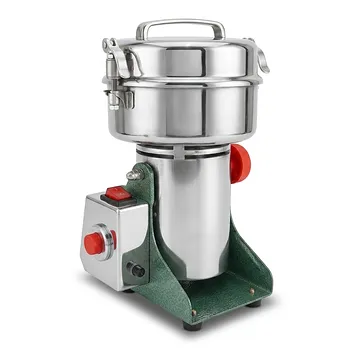
Small High-Speed Laboratory Grinder for Powder Processing
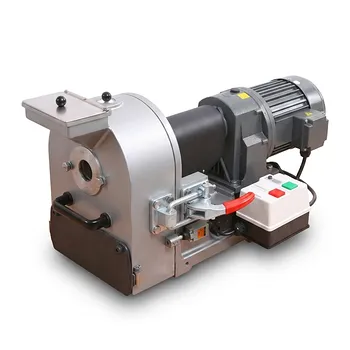
Laboratory Disc Mill for Fine Sample Preparation of Hard and Brittle Materials
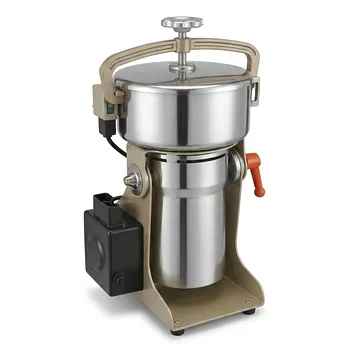
Multifunctional High Efficiency High Speed Laboratory Grinder
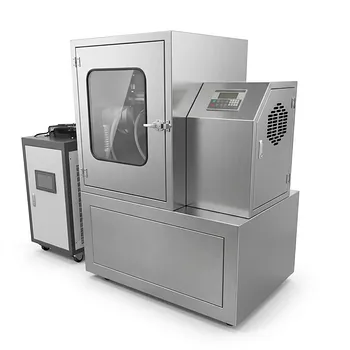
Vibratory Superfine Grinder for Ultra Fine Laboratory Powder Milling
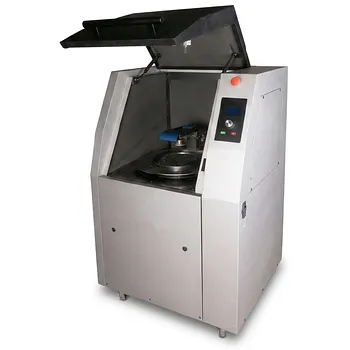
High Speed Vibratory Disc Mill for Spectral Analysis Sample Preparation and Rapid Powder Grinding
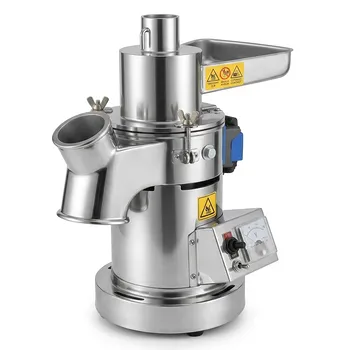
Continuous Feeding Grinder High Efficiency Pulverizer for Lab Sample Preparation
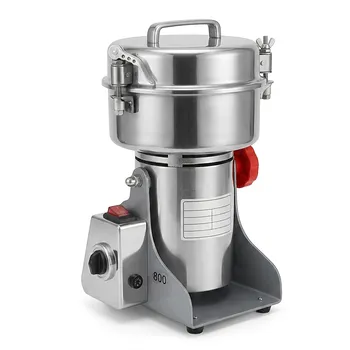
Small High-Speed Laboratory Grinder for Rapid Sample Preparation

High Energy Laboratory Planetary Ball Mill for Nano Grinding and Material Science Sample Preparation
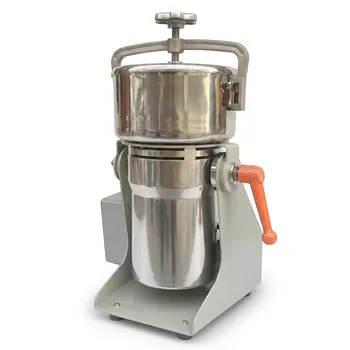
High Speed Laboratory Grinder Efficient Stainless Steel Powder Pulverizer Universal Material Science Mill for Sample Preparation
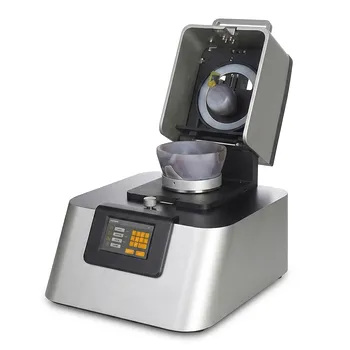
Laboratory Mortar Grinder for Sample Preparation and Cryogenic Powder Homogenization

High Energy Planetary Ball Mill for Nano Scale Grinding and Mechanical Alloying
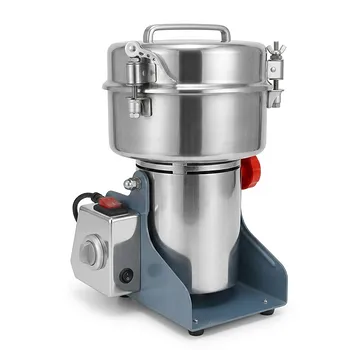
Small High-Speed Grinder for Efficient Laboratory Sample Preparation
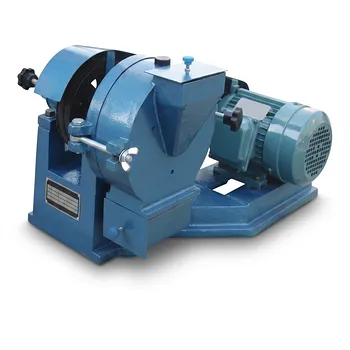
Laboratory Disc Mill for Ore and Mineral Sample Preparation
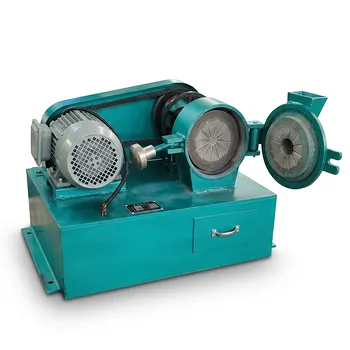
Laboratory Disc Mill Medium Hard Material Grinding Coal Coke Ore Pulverizer
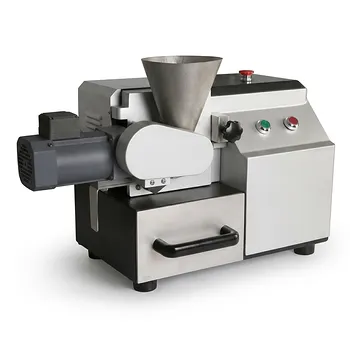
Laboratory Hammer Mill for Coal Quality Analysis and Brittle Mineral Grinding

Vertical Production Planetary Ball Mill for High Throughput Powder Processing