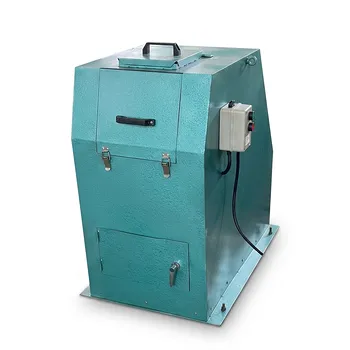
What is the primary function of a jaw crusher in the initial preparation of coal samples? Ensure Feed Uniformity
Updated 4 months ago
The primary function of a jaw crusher is to perform initial size reduction by applying compressive force to large chunks of raw coal.
This process breaks down coarse material—often larger than 10mm—into smaller, more manageable particles typically ranging from 3mm to 12.5mm. By achieving this preliminary reduction, the jaw crusher creates a uniform feed size that is essential for effective secondary grinding and accurate laboratory analysis.
A jaw crusher acts as the critical first link in the coal sampling chain, transforming bulky raw material into a uniform size suitable for fine milling. Its objective is to ensure that subsequent chemical or physical tests are performed on a sample that accurately represents the entire batch.
The Role of Compressive Force in Coal Processing
Mechanisms of the Jaw Crusher
A jaw crusher operates using two opposing plates—one fixed and one moving—arranged in a V-shaped configuration.
The moving jaw applies cyclic compression against the raw coal, fracturing lumps into smaller fragments as they move down the chamber.
This mechanical pressure is highly effective for hard or brittle materials, including anthracite and sub-bituminous coal.
Establishing Feed Uniformity
Initial processing reduces large bulk material to a specific laboratory specification, often around 12.5mm or smaller.
A consistent particle size ensures that downstream equipment, such as ball mills or fine grinders, can operate at peak efficiency.
Without this step, larger coal chunks would likely jam or damage sensitive secondary processing machinery.
Why Initial Crushing Matters for Data Integrity
Maintaining Sample Representativeness
Proper size reduction is essential for creating a representative sample of the original bulk material.
By breaking down all fragments uniformly, the crusher ensures that the chemical composition of the final laboratory sample reflects the entire outcrop or batch.
Mechanical crushing reduces the risk of "sampling bias" that occurs when only smaller, easier-to-process pieces are selected for analysis.
Optimizing Downstream Preparation
The jaw crusher provides the physical foundation for subsequent stages like sample splitting, fine sieving, and chemical activation.
Reducing the material to below 10mm allows for more precise measurement and more efficient chemical reactions during testing.
In processes like activated carbon production, this uniform feed is vital for ensuring the raw material reacts consistently in the furnace.
Understanding the Trade-offs and Pitfalls
Fines Generation and Dust
Jaw crushers can produce a significant amount of "fines" or very small dust particles during the compression process.
If not managed, these fines can lead to material loss or cross-contamination between different coal samples.
Material Limitations and Clogging
While excellent for brittle coal, very moist or clay-heavy coal can stick to the jaw plates, causing "clogging" or reduced throughput.
Over-crushing in the primary stage can also lead to excessive wear on the jaw plates, increasing maintenance costs and potential metal contamination in the sample.
How to Apply This to Your Coal Analysis Workflow
Choose your crushing parameters based on your specific analytical requirements and the nature of your raw material.
- If your primary focus is representative sampling: Use an industrial-grade jaw crusher to reduce the entire bulk sample to a uniform 12.5mm before performing any sample splitting.
- If your primary focus is fine milling for activation: Focus on achieving a preliminary size of less than 5mm to ensure high efficiency and reduced wear in the next stage of grinding.
- If your primary focus is preventing contamination: Regularly inspect jaw plates for wear and thoroughly clean the V-shaped chamber between batches to ensure sample purity.
Correct primary crushing is the essential foundation for generating reliable and reproducible coal laboratory data.
Summary Table:
| Key Feature | Description |
|---|---|
| Primary Function | Initial size reduction of coarse material (chunks >10mm) via cyclic compression |
| Operating Mechanism | V-shaped chamber with fixed and moving jaw plates applying mechanical pressure |
| Output Range | Typically 3mm to 12.5mm uniform particles |
| Core Benefits | Ensures sample representativeness, protects downstream equipment, and optimizes milling |
| Suitable Materials | Hard or brittle materials like anthracite and sub-bituminous coal |
Optimize Your Material Preparation with Professional Lab Solutions
Ensure the integrity of your coal analysis with equipment designed for precision and durability. At our facility, we provide complete laboratory sample preparation solutions for material science, specializing in high-performance powder processing and compaction equipment.
Our extensive product lines are engineered to handle every stage of your workflow:
- Crushing & Grinding: High-efficiency jaw/roll crushers, liquid nitrogen cryogenic grinders, and various mills (planetary ball, jet, sand/bead, disc, rotor).
- Sieving & Mixing: Precision vibratory/air-jet sieve shakers and specialized powder/defoaming mixers.
- Material Compaction: A full spectrum of hydraulic presses, including Cold/Warm Isostatic Presses (CIP/WIP), standard lab presses, and vacuum hot presses.
Whether you are refining coal samples or developing advanced materials, our expertise ensures you get representative results every time. Contact us today to find the perfect equipment for your laboratory needs!
References
- O. O. Alabi, O. S. Osaghae. Assessment of Ovbiomu Coal for Industrial Application. DOI: 10.52589/ajste-ewgvmpjk
Mentioned Products
- Heavy Duty Industrial Jaw Crusher for Primary Ore Crushing and High Capacity Mineral Material Size Reduction
- 150x250mm Laboratory Jaw Crusher for Medium Hard Material Crushing and Sample Preparation
- Heavy-Duty Jaw Crusher for Medium-Hard Ore and Industrial Mineral Crushing
- 150×125mm Laboratory Jaw Crusher for Medium and Fine Crushing of Brittle Materials
- 250x400 Jaw Crusher for Primary Crushing of Ores and Bulk Materials
People Also Ask
- What role does an industrial jaw crusher play in gangue slurry processing? Essential Primary Size Reduction Insights
- What is the function of an industrial jaw crusher in the primary processing of ironstone? Key to Efficient Reduction
- What is the role of industrial crushers and standard test sieves in biomass pyrolysis? Optimize Heat Transfer & Yield
- What is the function of a jaw crusher in reservoir sediment geopolymer synthesis? Primary Size Reduction Explained
- What is the role of jaw or roll crushers in the initial processing of copper ore samples? Essential Prep for Analysis

Tech Team · PowderPreparation
Last updated on Jun 03, 2026
Related Products
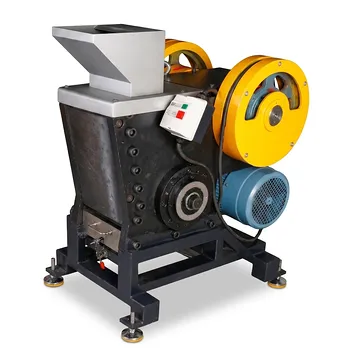
Heavy Duty Industrial Jaw Crusher for Primary Ore Crushing and High Capacity Mineral Material Size Reduction
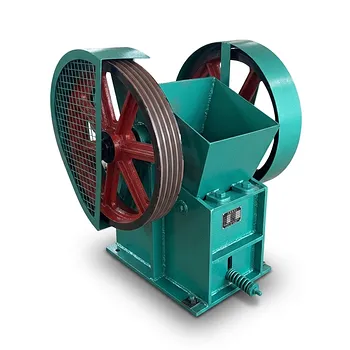
150x250mm Laboratory Jaw Crusher for Medium Hard Material Crushing and Sample Preparation
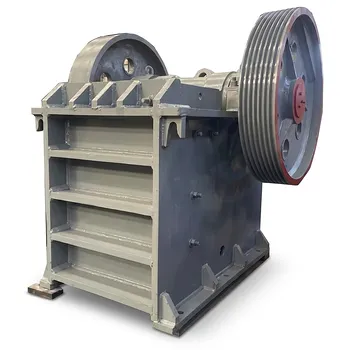
Heavy-Duty Jaw Crusher for Medium-Hard Ore and Industrial Mineral Crushing
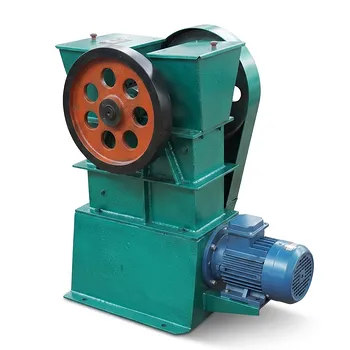
150×125mm Laboratory Jaw Crusher for Medium and Fine Crushing of Brittle Materials
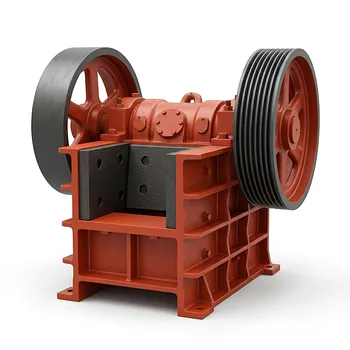
250x400 Jaw Crusher for Primary Crushing of Ores and Bulk Materials
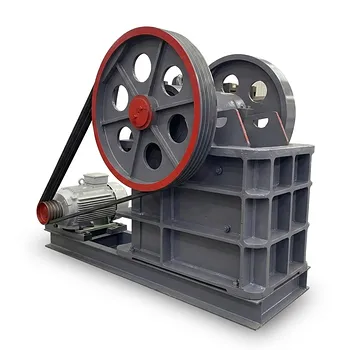
250x400mm Jaw Crusher Medium Crushing Equipment for Mining Mineral Sample Preparation
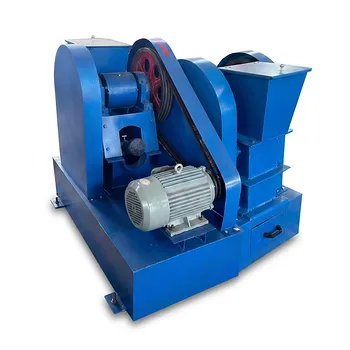
Horizontal Jaw Crusher Medium Hard Material Crushing Laboratory Sample Preparation Equipment
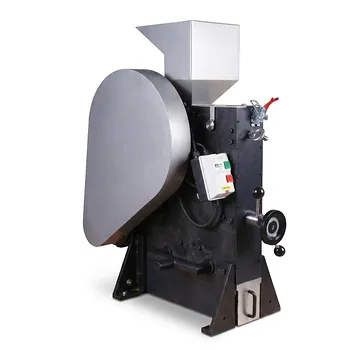
Heavy Duty Industrial Laboratory Jaw Crusher for Primary Sample Preparation and Hard Material Size Reduction
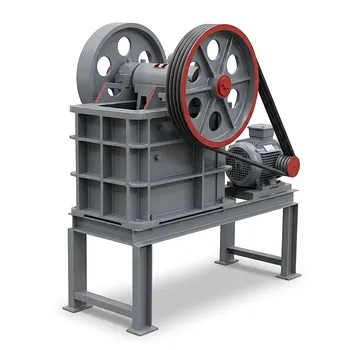
Laboratory Jaw Crusher 200x300mm Opening for Primary Crushing of Ores and Aggregates
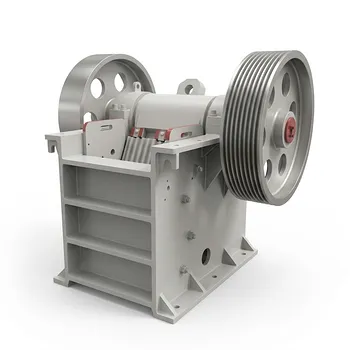
Jaw Crusher with 400x600mm Feed Opening for Primary Rock Crushing in Mining and Construction
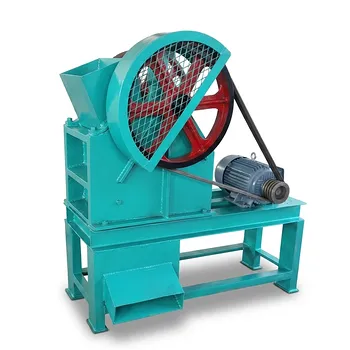
150x250mm Custom Laboratory Jaw Crusher for Coal Ore Mineral Crushing
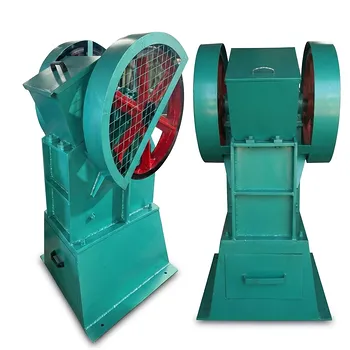
Sealed Jaw Crusher for Laboratory Material Crushing and Sample Preparation
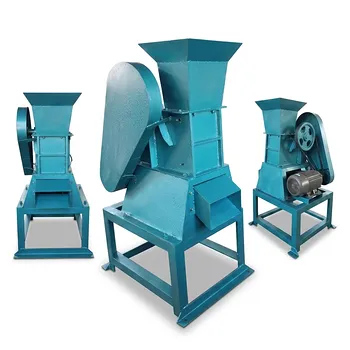
Custom Raised Height Laboratory Jaw Crusher for Precision Sample Preparation in Material Science
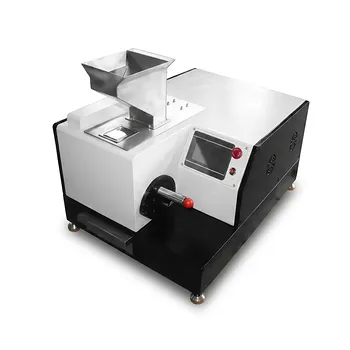
Experimental Jaw Crusher for Laboratory Ore Crushing and Sample Preparation
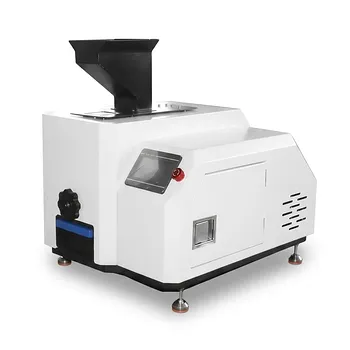
Laboratory Jaw Crusher 2025 Model for Ore and Brittle Material Crushing
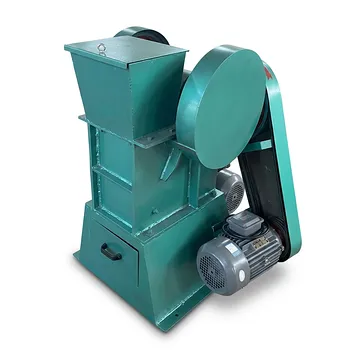
Small Laboratory Jaw Crusher 150x200mm Feed Opening for Sample Preparation and Medium Fine Crushing
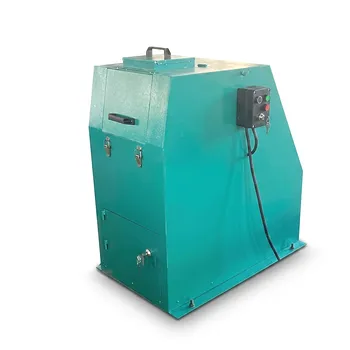
Environmentally Friendly Sealed Jaw Crusher for Laboratory Sample Preparation
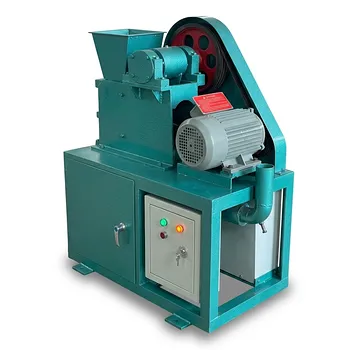
EP-B Type Sealed Jaw Crusher for Laboratory Sample Preparation
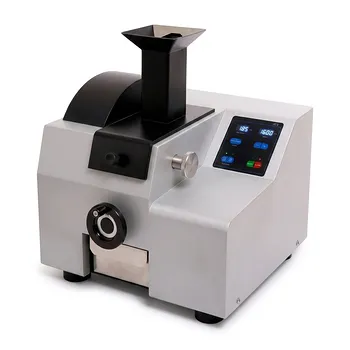
Laboratory Benchtop Jaw Crusher for Hard Brittle Materials Primary Size Reduction and Sample Preparation