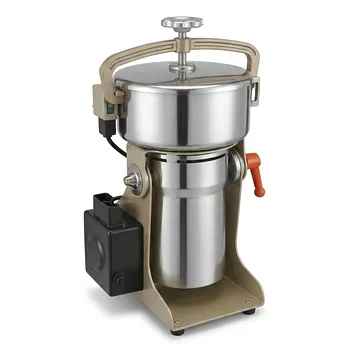
What is the function of industrial-grade mechanical grinders in the pre-treatment of Rock Mineral Powder (RMP)? | Roles
Updated 5 months ago
Industrial-grade mechanical grinders function as the essential primary stage in Rock Mineral Powder (RMP) production by applying high-intensity mechanical impact forces. This process reduces coarse quarry by-products, such as silicate minerals, into fine particles. By doing so, the equipment increases the mineral's total surface area and disrupts its crystalline lattice structure, which is necessary for subsequent chemical weathering and the release of locked-in nutrients.
Grinding serves as a catalyst for chemical activity by physically breaking down mineral barriers. This transformation ensures that subsequent processes—whether chemical leaching, thermal activation, or biological weathering—can occur efficiently and uniformly across the entire material volume.
Transforming Physical Structure for Chemical Reactivity
Increasing Specific Surface Area
The primary physical result of mechanical grinding is a massive increase in the specific surface area of the rock particles. By reducing large fragments to a micrometer level, the grinder exposes a significantly higher number of active sites on the mineral surface. This increased exposure is critical for any process that requires contact between the powder and a secondary reagent, such as a solvent or a chemical reactant.
Disrupting the Crystalline Lattice
Beyond simple size reduction, high-intensity impact forces physically disrupt the crystalline lattice structure of silicate minerals. This mechanical energy breaks the internal bonds that keep minerals stable, effectively "destabilizing" the rock. This disruption is a fundamental requirement for accelerating the release of nutrients that would otherwise remain trapped within the mineral's core.
Facilitating Particle Uniformity
Grinders and associated grading equipment ensure that the final powder reaches a specific and consistent particle size. This uniformity is vital when RMP is used as a supplementary material in mixtures, such as green cement or agricultural soil amendments. A uniform particle distribution prevents segregation and ensures that chemical reactions occur at a predictable rate throughout the entire batch.
Enhancing Downstream Process Efficiency
Improving Kinetic Efficiency in Leaching
For applications involving chemical digestion or leaching, grinding ensures maximum solid-liquid contact. By bringing the particle size down to the required micrometer level, the grinder allows solvents to penetrate the material more effectively. This significantly improves the kinetic efficiency of the leaching reaction, reducing the time and energy required for extraction.
Optimizing Thermal and Chemical Activation
In processes like calcination or acetylation, mechanical pre-treatment provides more reaction sites for thermal or chemical penetration. For example, in calcareous clays, grinding ensures that dehydroxylation during heating is both thorough and uniform. Without this initial mechanical breakdown, the core of larger particles may remain unreacted, leading to an inferior final product.
Establishing a Foundation for Secondary Processing
Primary grinding often serves as the necessary physical foundation for secondary crushing or fine milling. By reducing large raw ore fragments to a manageable range, industrial grinders protect more sensitive downstream equipment from excessive wear. This staged approach to size reduction is the most energy-efficient way to achieve ultra-fine powders.
Understanding the Trade-offs
Energy Consumption vs. Fineness
There is a diminishing return on energy investment as particle sizes become smaller. While finer powder increases reactivity, the energy required for ultra-fine grinding increases exponentially. Operators must balance the desired chemical activity with the operational costs of the grinding equipment.
Equipment Wear and Maintenance
Rock minerals, particularly silicates, are highly abrasive and cause significant wear on mechanical components like blades, jaws, and liners. Frequent maintenance and the use of specialized, hardened alloys are necessary to prevent contamination of the RMP from wearing parts. Over-grinding can also lead to material "caking" or agglomeration, which paradoxically reduces the effective surface area.
How to Apply This to Your Project
Making the Right Choice for Your Goal
To maximize the utility of your mechanical grinding stage, consider the following recommendations based on your specific objectives:
- If your primary focus is nutrient release for agriculture: Prioritize equipment that maximizes lattice disruption and specific surface area to accelerate natural weathering.
- If your primary focus is chemical leaching or extraction: Ensure the grinder can achieve a consistent micrometer-level particle size to optimize solid-liquid contact efficiency.
- If your primary focus is material uniformity in composites: Use grading equipment in conjunction with the grinder to maintain a narrow particle size distribution for stable mixing.
- If your primary focus is cost-efficiency in large-scale waste processing: Use a staged approach with primary jaw crushers followed by secondary mills to reduce energy consumption and equipment wear.
By understanding that mechanical grinding is a tool for structural transformation rather than just size reduction, you can better optimize your RMP pre-treatment for maximum reactivity and value.
Summary Table:
| Key Function | Mechanism | Impact on Downstream Process |
|---|---|---|
| Surface Area Expansion | Reducing particles to micrometer levels | Increases active sites for faster chemical leaching and reactions. |
| Lattice Disruption | High-intensity impact forces | Breaks stable internal bonds to accelerate the release of locked nutrients. |
| Particle Uniformity | Precise grading and size control | Ensures consistent reaction rates and prevents material segregation. |
| Structural Pre-treatment | Mechanical destabilization | Enhances thermal activation and protects fine-milling equipment from wear. |
Optimize Your Material Preparation with Expert Solutions
At [Brand Name], we understand that the quality of your Rock Mineral Powder (RMP) depends on the precision of your pre-treatment. Providing complete laboratory sample preparation solutions for material science, we specialize in high-performance powder processing and compaction equipment designed to maximize reactivity and efficiency.
Our extensive product range supports your entire workflow:
- Size Reduction: Primary jaw/roll crushers and high-energy mills (planetary ball, jet, disc, rotor).
- Fine Processing: Liquid nitrogen cryogenic grinders and vibratory/air-jet sieve shakers.
- Advanced Compaction: A full spectrum of hydraulic presses, including Cold/Warm Isostatic Presses (CIP/WIP), vacuum hot presses, and XRF pellet presses.
- Homogenization: Specialized powder and defoaming mixers for uniform material distribution.
Whether you are focusing on agricultural nutrient release or advanced material composites, our equipment ensures consistent results and reduced operational costs. Contact our technical experts today to find the perfect equipment configuration for your lab's specific needs!
References
- B. B. Basak, Ravi Naidu. Environmentally safe release of plant available potassium and micronutrients from organically amended rock mineral powder. DOI: 10.1007/s10653-020-00677-1
Mentioned Products
- Small High-Speed Laboratory Grinder for Powder Processing
- Heavy-Duty Jaw Crusher for Medium-Hard Ore and Industrial Mineral Crushing
- Cross Beater Mill for Brittle Material Grinding and Continuous Fine Crushing Industrial Sample Preparation
- High Speed Vibratory Disc Mill for Spectral Analysis Sample Preparation and Rapid Powder Grinding
- High Speed Laboratory Powder Grinder Small Batch Sample Preparation Mill
People Also Ask
- What role does a laboratory grinder play in the pretreatment of sunflower seed shell-based adsorbents? Boost Efficiency.
- How does a laboratory grinder or mill enhance the adsorption performance of agricultural waste materials? Boost Surface Area
- What is the role of laboratory grinding equipment in the preparation of waste glass powder for eco-friendly red bricks?
- Why is grinding equipment necessary for SnO2-Sb2O3 xerogels? Maximize surface area and photocatalytic activity.
- What is the primary role of grinding equipment in BLA preparation? Enhance Reactivity & Material Uniformity

Tech Team · PowderPreparation
Last updated on May 14, 2026
Related Products
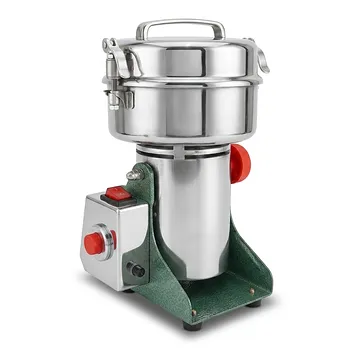
Small High-Speed Laboratory Grinder for Powder Processing
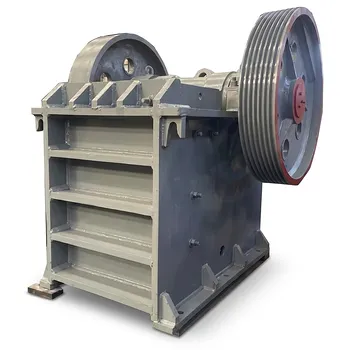
Heavy-Duty Jaw Crusher for Medium-Hard Ore and Industrial Mineral Crushing
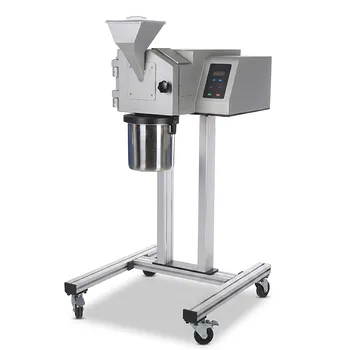
Cross Beater Mill for Brittle Material Grinding and Continuous Fine Crushing Industrial Sample Preparation
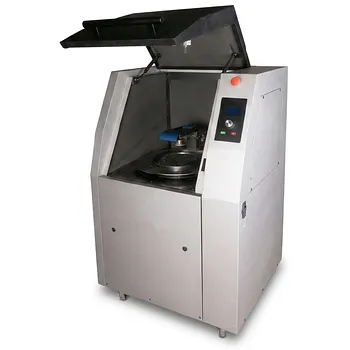
High Speed Vibratory Disc Mill for Spectral Analysis Sample Preparation and Rapid Powder Grinding
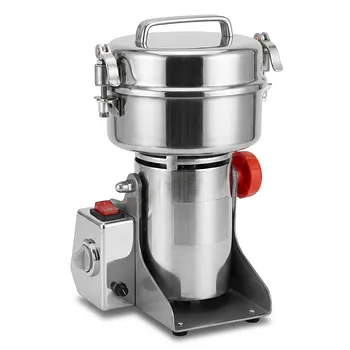
High Speed Laboratory Powder Grinder Small Batch Sample Preparation Mill
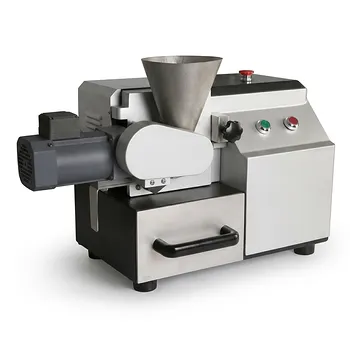
Laboratory Hammer Mill for Coal Quality Analysis and Brittle Mineral Grinding
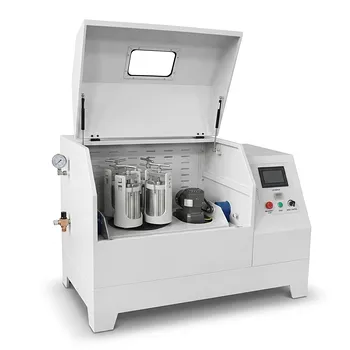
Vertical Production Planetary Ball Mill for High Throughput Powder Processing
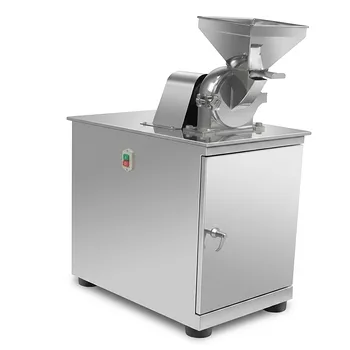
Universal Laboratory Pulverizer Grinder for Small Batch Powder Processing and Material Science Research
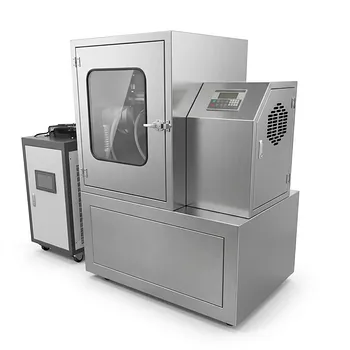
Vibratory Superfine Grinder for Ultra Fine Laboratory Powder Milling
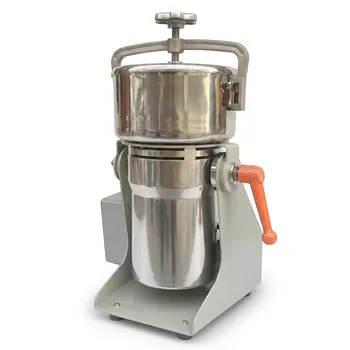
High Speed Laboratory Grinder Efficient Stainless Steel Powder Pulverizer Universal Material Science Mill for Sample Preparation
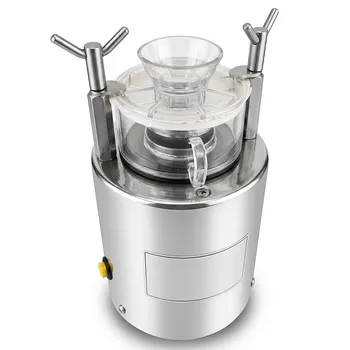
Laboratory Desktop Ultra Fine Powder Grinder High Speed Micronizing Pulverizer
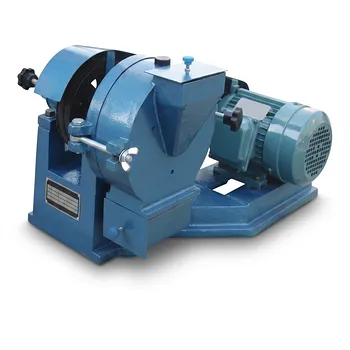
Laboratory Disc Mill for Ore and Mineral Sample Preparation
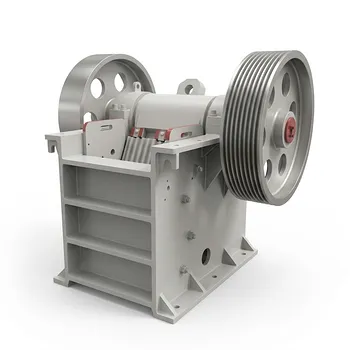
Jaw Crusher with 400x600mm Feed Opening for Primary Rock Crushing in Mining and Construction
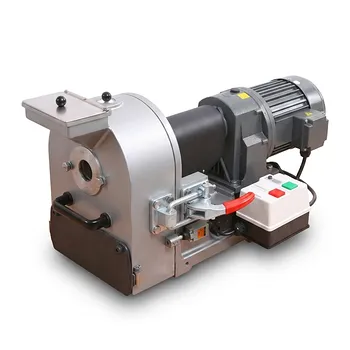
Laboratory Disc Mill for Fine Sample Preparation of Hard and Brittle Materials
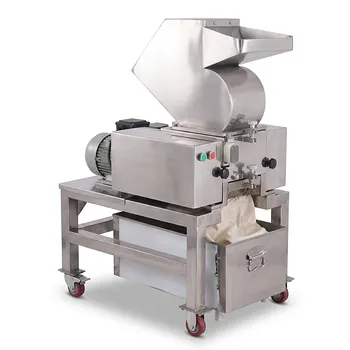
Stainless Steel Coarse Crusher for Pharmaceutical Food and Plastic Material Processing
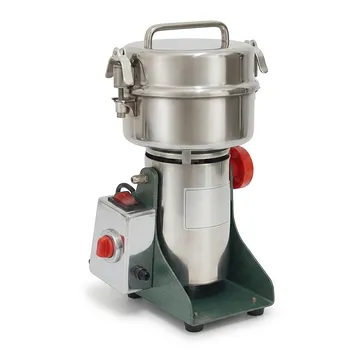
Small High Speed Grinder for Laboratory Sample Preparation
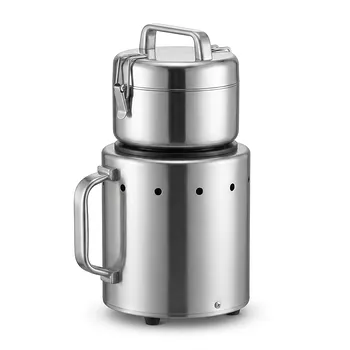
Small High Speed Grinder for Laboratory Sample Preparation
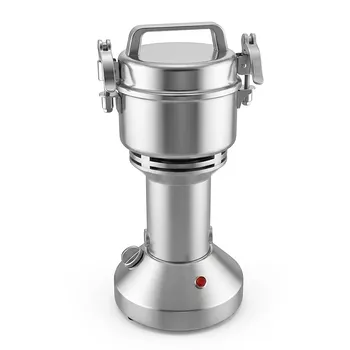
Small High Speed Upright Grinder for Laboratory Sample Preparation
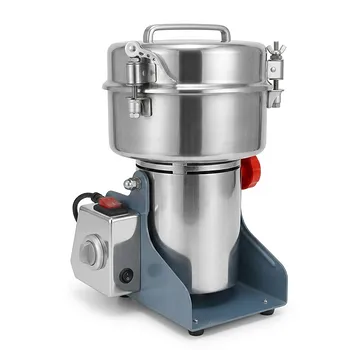
Small High-Speed Grinder for Efficient Laboratory Sample Preparation