What is the function of an industrial intensive mixer in the recycling and processing of iron ore pellet fines? Key Roles
Updated 5 months ago
The industrial intensive mixer serves as the critical homogenizing engine in iron ore pellet fine processing. Its primary function is to transform ultrafine iron ore powders, binders (like bentonite or organic agents), fluxes, and moisture into a perfectly uniform mixture through high-shear agitation. This rapid homogenization ensures that binders are distributed evenly across every particle, which is essential for achieving high mechanical strength and thermal stability during the subsequent briquetting or pelletizing stages.
The core value of an intensive mixer lies in its ability to achieve total material uniformity within a very short duration, preventing structural irregularities. By optimizing the distribution of binders and moisture, the mixer directly determines the mechanical integrity and thermal shock resistance of the final recycled pellets.
The Mechanics of Intensive Mixing
High-Shear Agitation and High-Speed Rotation
The intensive mixer utilizes a high-efficiency agitation mechanism driven by high-speed rotation. This creates strong shear forces that break down clusters of ultrafine iron ore powder.
These forces ensure that even the smallest particles are separated and coated with the necessary additives. This level of dispersion is impossible to achieve with traditional low-energy mixing methods.
Rapid Homogenization of Raw Materials
Efficiency is defined by the mixer's ability to reach a completely homogeneous state in a very short duration. This allows the processing facility to maintain high throughput without sacrificing the quality of the blend.
A uniform mixture prevents "weak spots" in the pellets, ensuring that the chemical and physical properties are consistent throughout the entire batch.
Optimizing the Pelletizing Lifecycle
Enhancing Binder and Moisture Efficiency
The mixer ensures that organic binders and moisture are distributed at a microscopic level. This allows the binders to function at their highest potential during the briquetting process.
When binders are evenly dispersed, the resulting pellets exhibit significantly higher mechanical strength. This reduces breakage during transport and handling within the recycling circuit.
Integrating Fluxes and Fuels
Beyond iron ore and binders, intensive mixers integrate critical additives like flux (limestone) and fuel (coal powder). Thoroughly blending these components is vital for the chemical stability of the green pellets.
Proper integration of these materials prevents structural irregularities. This directly impacts the thermal shock stability of the pellets when they are introduced to high-heat environments.
Understanding the Trade-offs
Energy Intensity vs. Mixing Speed
Achieving high shear requires significant power input, making intensive mixers more energy-demanding than standard drum mixers. However, the reduction in mixing time and the improvement in pellet quality often offset these operational costs.
Component Wear and Maintenance
Iron ore fines are inherently abrasive, and high-speed agitation accelerates the wear on mixing tools and liners. Using high-quality, wear-resistant materials is necessary, though it increases the initial capital expenditure and requires a disciplined maintenance schedule.
Sensitivity to Moisture Levels
While intensive mixers are excellent at distributing moisture, they are sensitive to over-saturation. If the moisture content is not strictly monitored, the high-speed action can lead to material sticking or the formation of oversized agglomerates before the intended pelletizing stage.
How to Apply This to Your Project
Making the Right Choice for Your Goal
The implementation of an intensive mixer should be tailored to the specific metallurgical requirements of your recycling process.
- If your primary focus is maximizing pellet strength: Prioritize mixers that offer the highest shear rates to ensure absolute binder dispersion.
- If your primary focus is process throughput: Look for units designed for rapid discharge cycles to capitalize on the mixer's short homogenization duration.
- If your primary focus is thermal stability in the furnace: Ensure the mixer configuration is optimized for blending fluxes and solid fuels with high precision.
By mastering the homogenization of pellet fines, you ensure that your recycled materials meet the rigorous physical and thermal standards required for modern ironmaking.
Summary Table:
| Feature | Description | Impact on Processing |
|---|---|---|
| High-Shear Agitation | Breaks down clusters of ultrafine powders | Ensures uniform binder coating on all particles |
| Rapid Homogenization | Reaches complete blend state in short cycles | Maximizes throughput without quality loss |
| Binder Distribution | Microscopic dispersion of organic agents | Significantly increases mechanical pellet strength |
| Additive Integration | Precise blending of fluxes and coal powder | Enhances thermal shock stability in high-heat zones |
| Wear Management | Use of high-quality, wear-resistant liners | Offsets the abrasive nature of iron ore fines |
Optimize Your Powder Processing with Precision Solutions
Achieving the perfect mix is just the first step in material science. At [Company Name], we provide complete laboratory sample preparation solutions tailored for the most demanding applications. Whether you are recycling iron ore pellet fines or developing advanced ceramics, our specialized equipment ensures consistency and quality.
Our extensive product line includes:
- Mixing & Grinding: Intensive mixers, defoaming mixers, planetary ball mills, jet mills, and cryogenic grinders.
- Crushing & Sieving: Jaw/roll crushers and vibratory/air-jet sieve shakers.
- Advanced Compaction: A full spectrum of hydraulic presses, including Cold/Warm Isostatic Presses (CIP/WIP), vacuum hot presses, and XRF pellet presses.
Ready to enhance your material properties and process efficiency? Contact our engineering team today to find the ideal equipment solution for your laboratory or production line.
References
- Karthik Manu, Weihong Yang. Maximizing the Recycling of Iron Ore Pellets Fines Using Innovative Organic Binders. DOI: 10.3390/ma16103888
Mentioned Products
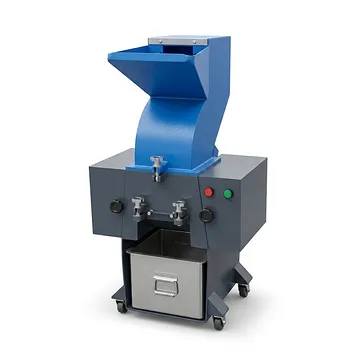
- Cross Beater Mill for Brittle Material Grinding and Continuous Fine Crushing Industrial Sample Preparation
- Heavy-Duty Jaw Crusher for Medium-Hard Ore and Industrial Mineral Crushing
- Inclined Mixer for Homogeneous Powder Blending and Grinding
- Vertical Production Planetary Ball Mill for High Throughput Powder Processing
- Small High-Speed Laboratory Grinder for Powder Processing
People Also Ask
- Why use lab mills for corncob size reduction? Boost activated carbon surface area and activation efficiency.
- How does an industrial grinding mill contribute to groundnut shell powder preparation? Enhance Polymer Filler Performance
- What is the technical significance of the relative collision velocity of grinding media? Maximize Milling Efficiency
- What is the role of industrial crushers and grinding equipment in waste glass pretreatment for eco-friendly bricks?
- What Role Does Lab Grinding Play in Banana Fiber Thermal Coatings? Optimize Waste Into High-Performance Barriers

Tech Team · PowderPreparation
Last updated on May 14, 2026
Related Products
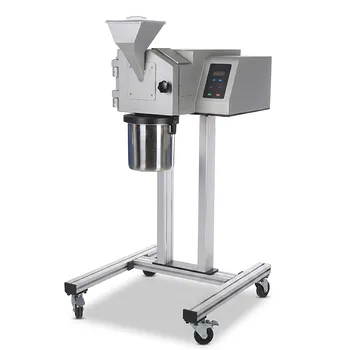
Cross Beater Mill for Brittle Material Grinding and Continuous Fine Crushing Industrial Sample Preparation
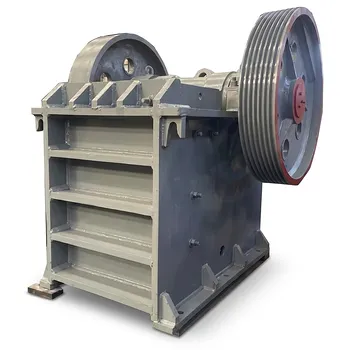
Heavy-Duty Jaw Crusher for Medium-Hard Ore and Industrial Mineral Crushing
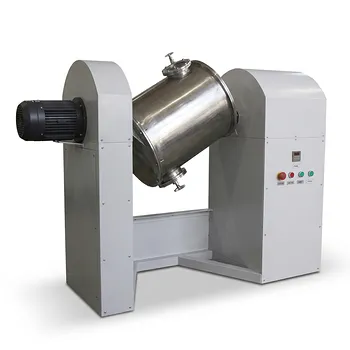
Inclined Mixer for Homogeneous Powder Blending and Grinding
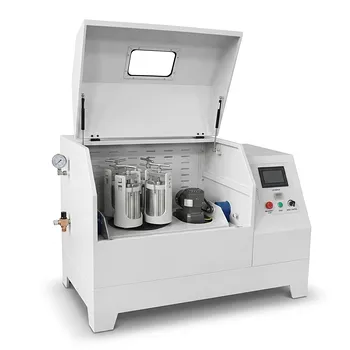
Vertical Production Planetary Ball Mill for High Throughput Powder Processing
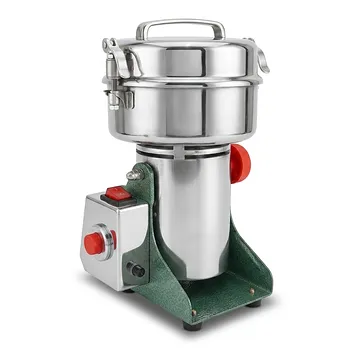
Small High-Speed Laboratory Grinder for Powder Processing
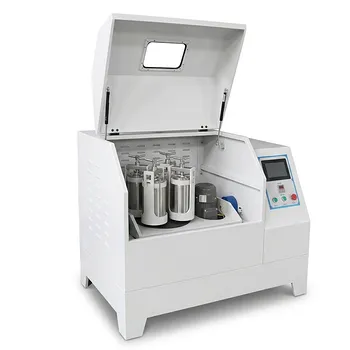
360° Rotating Omnidirectional Laboratory Planetary Ball Mill for Homogeneous Ultra-Fine Grinding and Mixing
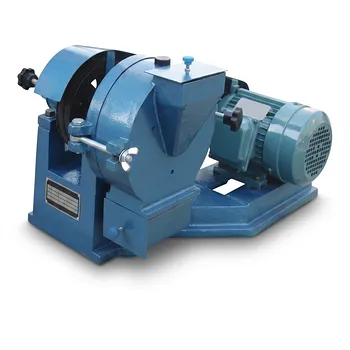
Laboratory Disc Mill for Ore and Mineral Sample Preparation
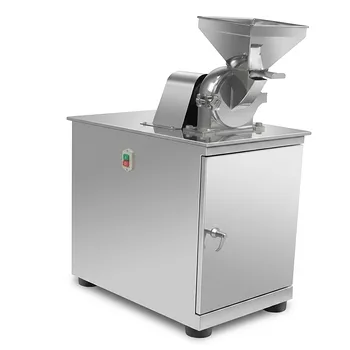
Universal Laboratory Pulverizer Grinder for Small Batch Powder Processing and Material Science Research
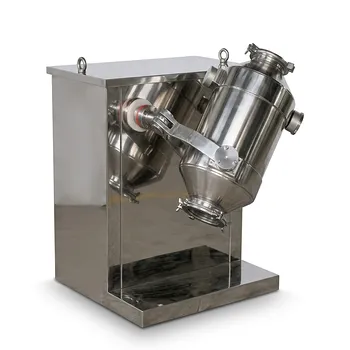
Three-Dimensional Motion Mixer for Laboratory Powder and Granule Blending
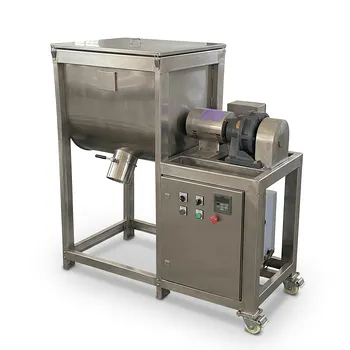
Horizontal Ribbon Mixer for Dry Powder and Slurry Blending
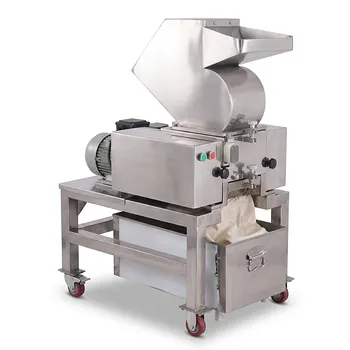
Stainless Steel Coarse Crusher for Pharmaceutical Food and Plastic Material Processing
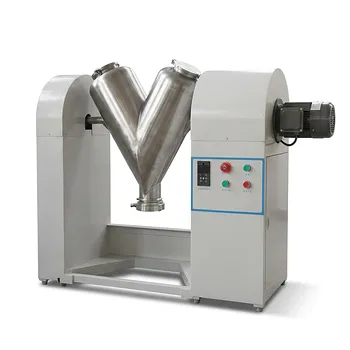
V-Type Powder Mixer for Uniform Blending of Dry Powders and Granules
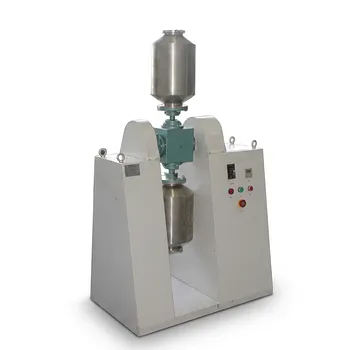
Multi Dimensional Universal Mixer for High Uniformity Powder Blending
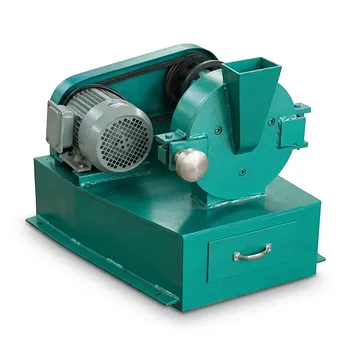
Medium Hardness Material Disc Pulverizer for Coal Ore Sample Preparation
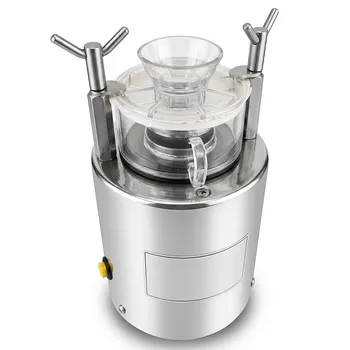
Laboratory Desktop Ultra Fine Powder Grinder High Speed Micronizing Pulverizer