What is the function of a laboratory hydraulic press providing pressures above 240 MPa during solid electrolyte testing?
Updated 4 months ago
For solid electrolyte testing, a laboratory hydraulic press providing pressures above 240 MPa is primarily used to compact loose powders into high-density pellets by eliminating pores and inducing plastic deformation. This extreme pressure ensures that the material achieves sufficient physical contact and structural integrity to accurately measure its intrinsic ionic conductivity and grain boundary impedance without interference from air gaps or loose particle interfaces.
The function of a high-pressure hydraulic press is to transform resistive, loose powders into a dense, continuous solid. By applying pressures exceeding 240 MPa, researchers can minimize interfacial resistance and establish reliable ion transport paths necessary for valid electrochemical characterization.
The Role of Densification in Electrochemical Testing
Eliminating Porosity and Voids
At the powder level, solid electrolytes contain significant air gaps that act as insulators, blocking the flow of ions. Applying ultra-high pressure forces these particles together, eliminating internal pores and creating a dense "green body" pellet.
Reducing Grain Boundary Impedance
Ionic transport in solid-state materials is often hindered by high resistance at the points where individual crystals meet. High-pressure compaction increases the physical contact area between these particles, which significantly lowers the overall impedance of the sample.
Ensuring Accurate Conductivity Data
Without sufficient compaction, a researcher might measure the resistance of the air gaps rather than the material itself. High-pressure pressing ensures that the resulting data reflects the intrinsic bulk transport characteristics of the electrolyte, providing a stable foundation for steady-state testing.
Mechanical Effects of Pressures Above 240 MPa
Inducing Plastic Deformation
In materials like sulfide solid electrolytes, pressures exceeding 240 MPa are high enough to cause plastic deformation of the powder particles. This allows the particles to flow into one another and bond tightly, creating a near-theoretical density that is impossible to achieve at lower pressures.
Establishing Interfacial Contact
Beyond the electrolyte itself, these presses are used to bond the electrolyte layer to the cathode and anode materials. This high axial pressure establishes the tight physical contact required for efficient ion exchange across the different layers of a solid-state battery cell.
Maintaining Structural Uniformity
High-precision hydraulic systems allow for the creation of pellets with uniform thickness and consistent density. This repeatability is critical when comparing different material compositions or evaluating the critical current density (CCD) of a sample.
Understanding the Trade-offs
Risk of Micro-cracking
While high pressure is necessary for density, exceeding a material's mechanical limits can introduce internal micro-cracks. If the pressure is released too quickly or if the material is overly brittle (like certain oxides), these cracks can lead to premature structural failure during testing.
Equipment Wear and Safety
Operating consistently above 240 MPa places significant stress on tungsten carbide dies and hydraulic seals. Researchers must balance the need for maximum density with the increased risk of tool deformation or catastrophic failure of the pressing assembly.
Material-Specific Requirements
Not all electrolytes require such extreme pressures; for example, some oxides may require sintering (heat treatment) after pressing to achieve full density. Using 240 MPa on a material that ultimately requires high-temperature processing may result in diminishing returns regarding final conductivity.
How to Apply This to Your Project
Depending on your specific research goals, the application of high-pressure pressing should be tailored to the material class you are investigating.
- If your primary focus is Sulfide Electrolytes: Utilize pressures between 240 MPa and 300 MPa to take advantage of the material's plastic density and minimize interfacial resistance without the need for high-temperature sintering.
- If your primary focus is Oxide Electrolytes (e.g., LLTO/LAGP): Use high pressure as a "dry-pressing" stage to create a consistent initial density before subsequent high-temperature sintering.
- If your primary focus is Composite/Polymer Electrolytes: Apply moderate to high pressure to ensure the filler particles are fully encapsulated and in contact with the polymer matrix, reducing voids that could lead to dendrite growth.
Achieving the correct compaction pressure is the single most important step in ensuring that your experimental results represent the true potential of the solid-state material.
Summary Table:
| Key Function | Mechanical Impact | Research Benefit |
|---|---|---|
| Densification | Eliminates internal air gaps and pores | Creates high-density "green body" pellets |
| Impedance Reduction | Increases physical contact area | Minimizes grain boundary resistance |
| Plastic Deformation | Forces particles to flow and bond | Achieves near-theoretical material density |
| Interfacial Contact | Bonds electrolyte to cathode/anode | Establishes stable ion transport paths |
| Data Accuracy | Removes interference from voids | Measures intrinsic bulk transport properties |
Elevate Your Solid-State Research with Precision Compaction
Achieving accurate electrochemical data starts with superior sample preparation. At LabPrep Solutions, we specialize in providing complete laboratory sample preparation solutions for material science, focusing on high-performance powder processing and compaction equipment.
Whether you are working with sulfide, oxide, or polymer electrolytes, our extensive line of hydraulic presses—including standard lab presses, Cold/Warm Isostatic Presses (CIP/WIP), XRF pellet presses, and vacuum hot presses—provides the extreme pressure and thermal control necessary to reach theoretical density. Our full workflow support includes:
- Size Reduction: Jaw/roll crushers and liquid nitrogen cryogenic grinders.
- Fine Milling: Planetary ball, jet, and rotor mills for uniform particle distribution.
- Classification: Sieve shakers (vibratory/air-jet) and precision test sieves.
- Homogenization: Advanced powder and defoaming mixers.
Don't let interfacial resistance compromise your results. Contact our technical experts today to find the ideal high-pressure solution for your material testing needs.
References
- Wanqing Ren, Li‐Zhen Fan. Promoting Ion Conduction and Li Metal Compatibility Through Nb <sup>5+</sup> ‐Substituted Zirconium‐Based Chlorides for All‐Solid‐State Batteries. DOI: 10.1002/idm2.70022
Mentioned Products
- 5 Ton Single Punch Tablet Press Laboratory Small Batch Production
- Manual Tablet Press with Dual Scale Pressure Gauge for Pharmaceutical Food Chemical Laboratory Sample Preparation
- 6-Ton Small Single-Punch Tablet Press — Laboratory Powder & Granule Tableting Equipment / Tablet Forming Machine
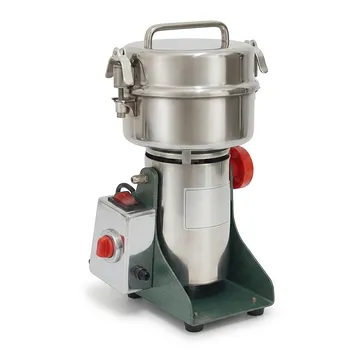
- Small High Speed Grinder for Laboratory Sample Preparation
- 6 Ton Variable Frequency Single Punch Tablet Press
People Also Ask
- What is the function of a laboratory press in assessing the hydrophobic performance of modified vermiculite fillers?
- What is the core function of a laboratory press in the forming of ceramic filter element green bodies? Maximize Density.
- What is the function of a laboratory press in Cr-Ti alloy evaluation? Quantify Fracture Stress & Strength
- Why is vacuum sealing and flexible packaging necessary for Aluminum Titanate powders during CIP? Ensure Peak Density
- Why is a laboratory hydraulic press required for FT-IR KBr pellets? Achieve Precise Sample Clarity for ZrC–SiC Analysis

Tech Team · PowderPreparation
Last updated on Jun 03, 2026
Related Products
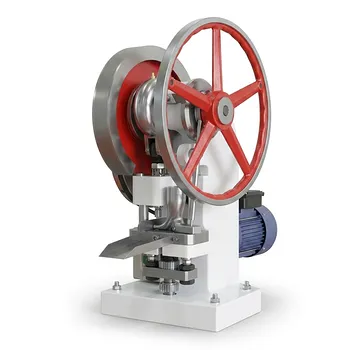
5 Ton Single Punch Tablet Press Laboratory Small Batch Production
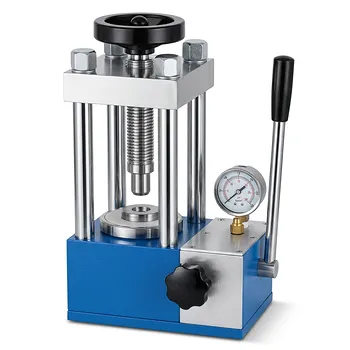
Manual Tablet Press with Dual Scale Pressure Gauge for Pharmaceutical Food Chemical Laboratory Sample Preparation
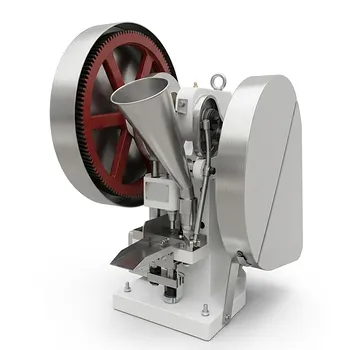
6-Ton Small Single-Punch Tablet Press — Laboratory Powder & Granule Tableting Equipment / Tablet Forming Machine
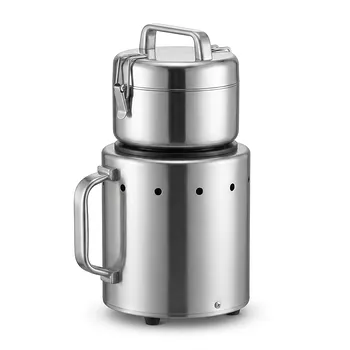
Small High Speed Grinder for Laboratory Sample Preparation
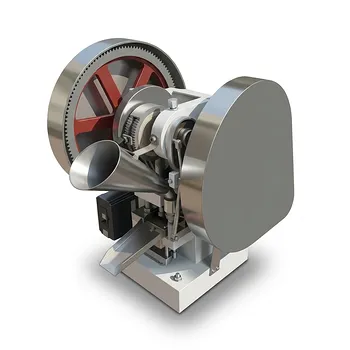
6 Ton Variable Frequency Single Punch Tablet Press
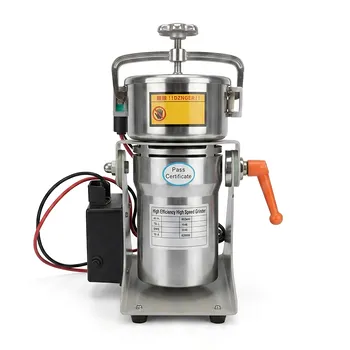
High Efficiency High Speed Grinder Laboratory Mill 1300W 25000rpm
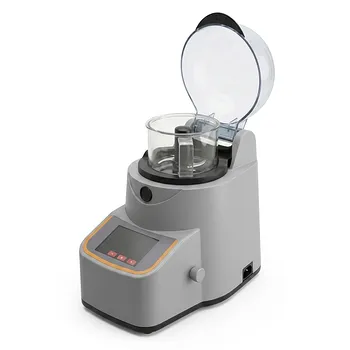
Industrial Knife Mill for Food and Biological Sample Preparation High Speed Laboratory Homogenizer