What is the function of a high-efficiency 3D powder mixer in the preparation of inhalable Itraconazole microparticles?
Updated 5 months ago
The primary function of a high-efficiency 3D powder mixer in preparing inhalable Itraconazole is to ensure absolute content uniformity through multi-dimensional movement. By utilizing simultaneous rocking, rotation, and flipping, the mixer eliminates density-driven separation between the active pharmaceutical ingredient (API) and excipients. This creates a perfectly homogeneous "pre-blend" that is essential for the success of subsequent high-energy processes like Hot-Melt Extrusion (HME) or co-jet milling.
Core Takeaway: A 3D powder mixer provides the critical physical foundation for inhalable drugs by achieving microscale uniformity under low-shear conditions. This ensures that every dose delivered to the lungs contains the exact required amount of Itraconazole while preserving the delicate surface properties of the microparticles.
The Mechanics of Multi-Dimensional Mixing
Achieving Homogeneity through Complex Motion
Unlike standard mixers, a 3D mixer moves the container through a complex spatial path involving tumbling, rocking, and rotating. This multi-axial compound motion ensures that the powder bed is constantly redirected, preventing the "dead zones" common in traditional blenders.
Overcoming Density Disparities
Itraconazole and its carriers (like lactose or L-Leucine) often have significantly different bulk densities and particle sizes. The randomized diffusion mixing generated by 3D motion forces these disparate materials to intermix thoroughly, reaching a high degree of physical uniformity that simple rotation cannot achieve.
Impact on Inhalable Microparticle Quality
Ensuring Content Uniformity
For inhalation therapies, dose precision is a safety requirement. The 3D mixer ensures a uniform distribution of trace APIs across the carrier surface, meaning each metered dose in an inhaler provides a consistent therapeutic effect.
Preserving Surface Characteristics
Inhalable particles require specific surface properties for effective aerosolization. The low-shear nature of 3D mixing prevents excessive compaction forces that might press fine drug powders too deeply into carrier surface pits, which would otherwise hinder the drug's release in the lungs.
Strategic Role in the Production Pipeline
Pre-processing for Co-Jet Milling
Before Itraconazole can be reduced to the 0.5 to 5-micrometer range via jet milling, the raw materials must be perfectly distributed. The 3D mixer acts as a prerequisite, ensuring that when the mixture enters the supersonic airflow of a jet mill, the coating of agents like L-Leucine occurs evenly across all drug particles.
Elimination of Component Agglomeration
Fine pharmaceutical powders are prone to clumping due to electrostatic forces. The continuous agitation of 3D mixing helps eliminate component agglomeration, providing a free-flowing powder foundation that is necessary for accurate feeding into subsequent granulation or encapsulation machinery.
Understanding the Trade-offs
Low Shear vs. Agglomerate Strength
While the low-shear environment protects particle integrity, it may struggle with highly cohesive materials that require high energy to break apart. In such cases, 3D mixing must be carefully timed or paired with de-agglomeration steps to ensure a truly "random" mix at the microscale.
Complexity and Cycle Times
The mechanical complexity of 3D mixers can lead to longer cleaning cycles and higher maintenance requirements compared to simpler V-blenders. Additionally, achieving the "perfect mix" requires precise calibration of mixing time and container fill levels to avoid over-mixing, which can occasionally lead to secondary segregation.
How to Apply This to Your Project
Depending on your specific formulation goals, the role of the 3D mixer should be optimized to balance uniformity with particle performance.
- If your primary focus is Dosing Accuracy: Prioritize longer mixing cycles at moderate speeds to ensure the API is fully randomized throughout the carrier matrix before HME or milling.
- If your primary focus is Aerosolization Efficiency: Utilize the lowest effective shear settings to ensure the drug remains on the surface of the carrier without becoming "embedded," which preserves its ability to detach during inhalation.
- If your primary focus is Scalability: Carefully document the "fill-level to RPM" ratio, as 3D mixing dynamics can change significantly when transitioning from laboratory-scale to industrial-scale volumes.
By mastering the multi-axial dynamics of 3D mixing, manufacturers can guarantee the safety and efficacy of complex inhalable Itraconazole formulations.
Summary Table:
| Key Feature | Functional Benefit | Impact on Inhalable Quality |
|---|---|---|
| Multi-Axial Motion | Eliminates dead zones & density separation | Ensures absolute content uniformity in every dose. |
| Low-Shear Mixing | Protects delicate particle surfaces | Maintains aerosolization efficiency and drug release. |
| Microscale Diffusion | Uniform distribution of trace APIs | Critical foundation for co-jet milling and HME processes. |
| Agglomerate Control | Breaks down clumping | Creates free-flowing powder for accurate downstream feeding. |
Optimize Your Pharmaceutical Formulations with Precision Mixing
Achieving perfect homogeneity in inhalable drug development requires specialized equipment designed for accuracy and particle integrity. [Company Name] provides complete laboratory sample preparation solutions for material science and pharmaceutical R&D.
We specialize in high-performance powder processing and compaction equipment, including our high-efficiency 3D powder mixers, planetary ball mills, and jet mills designed to achieve the precise particle size distributions (0.5 to 5 μm) required for inhalation therapies. Whether you are prepping for Hot-Melt Extrusion (HME) or require a full spectrum of hydraulic presses (CIP/WIP) for material characterization, our equipment ensures repeatable, high-quality results.
Ready to enhance your lab's mixing efficiency and dosing accuracy?
Contact Our Technical Experts Today to find the ideal solution for your powder processing needs.
References
- Jin-Hyuk Jeong, Chun‐Woong Park. Preparation and Evaluation of Inhalable Microparticles with Improved Aerodynamic Performance and Dispersibility Using L-Leucine and Hot-Melt Extrusion. DOI: 10.3390/pharmaceutics16060784
Mentioned Products
- Three-Dimensional Motion Mixer for Laboratory Powder and Granule Blending
- Multi Dimensional Universal Mixer for High Uniformity Powder Blending
- Three Dimensional Rotary Vibrating Sieve
- Horizontal Trough Mixer for Uniform Powder and Paste Blending
- Inclined Mixer for Homogeneous Powder Blending and Grinding
People Also Ask
- Why is a 3D Motion Mixer employed when preparing binary powder mixtures for tableting? Achieve Superior Homogeneity
- What role does an industrial 3D mixer play in the preparation of diamond tool segment raw materials? Achieve Homogeneity
- What is the role of a 3D mixer in Ti2SnC synthesis? Optimize Precursor Homogeneity for High-Purity MAX Phases
- How does a 3D mixer with tungsten balls contribute to magnesium composite mixing? Achieve Superior Macro-Homogeneity
- What are the advantages of using a 3D powder mixer? Boost Tablet Consistency with Advanced Mixing Technology

Tech Team · PowderPreparation
Last updated on May 14, 2026
Related Products
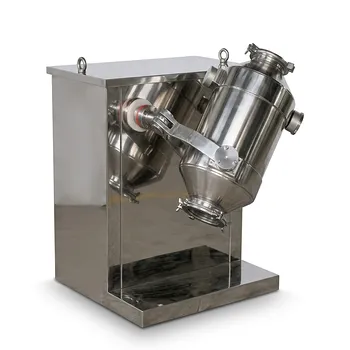
Three-Dimensional Motion Mixer for Laboratory Powder and Granule Blending
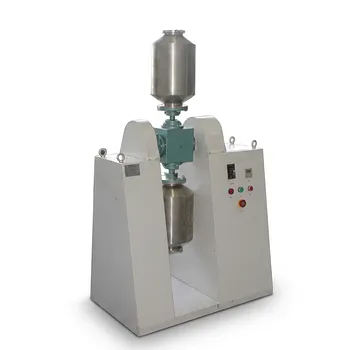
Multi Dimensional Universal Mixer for High Uniformity Powder Blending
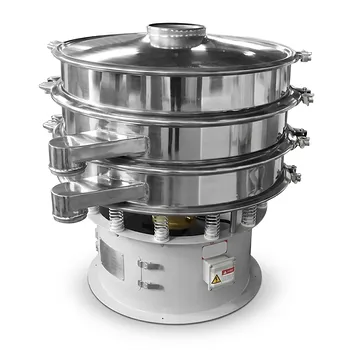
Three Dimensional Rotary Vibrating Sieve
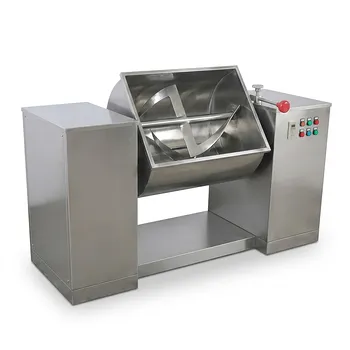
Horizontal Trough Mixer for Uniform Powder and Paste Blending
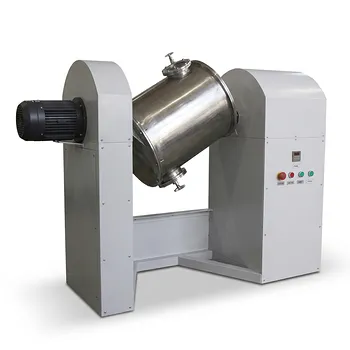
Inclined Mixer for Homogeneous Powder Blending and Grinding
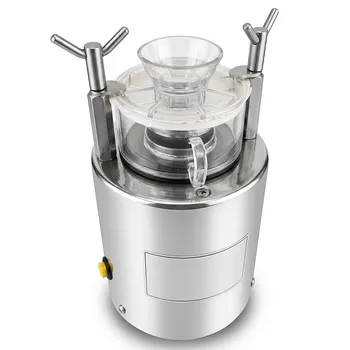
Laboratory Desktop Ultra Fine Powder Grinder High Speed Micronizing Pulverizer
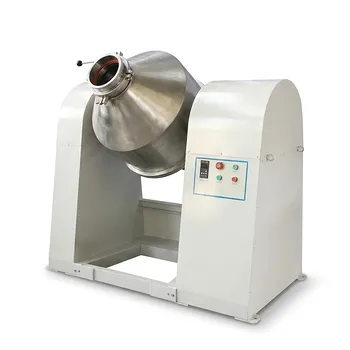
Industrial Double Cone Mixer for Powder Blending and Homogeneous Mixing
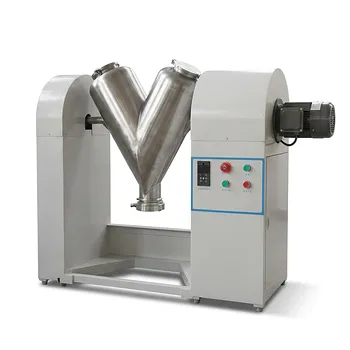
V-Type Powder Mixer for Uniform Blending of Dry Powders and Granules
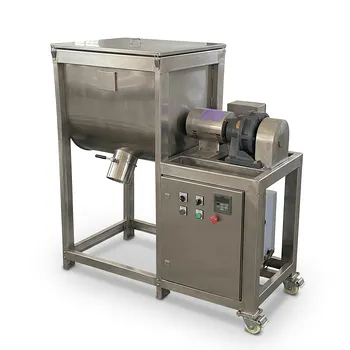
Horizontal Ribbon Mixer for Dry Powder and Slurry Blending
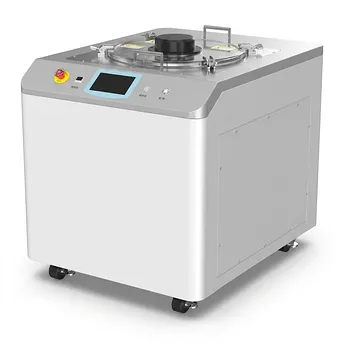
Industrial Planetary Centrifugal Vacuum Defoaming Mixer for High Viscosity Paste and Powder Homogenization
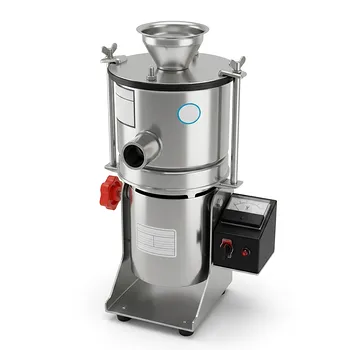
Air Guided Ultrafine Pulverizer High Speed Laboratory Powder Grinder for Chemical and Material Processing
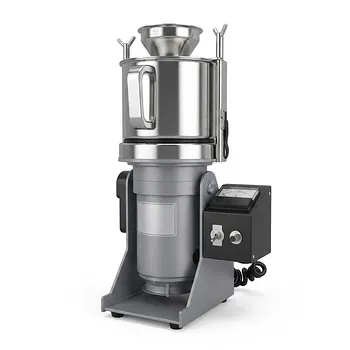
High Speed Air Induced Ultrafine Pulverizer Laboratory Superfine Powder Mill for Pharmaceutical and Material Science Sample Preparation
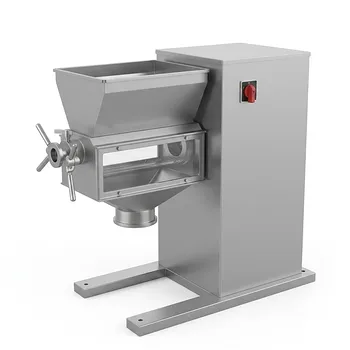
Industrial Swing Granulator for Powder Processing in Pharma Food and Chemical Industries
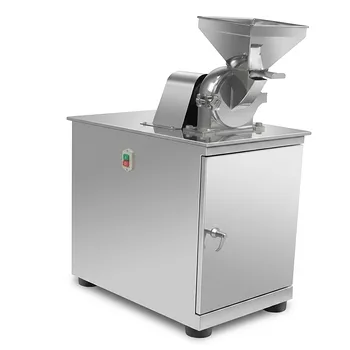
Universal Laboratory Pulverizer Grinder for Small Batch Powder Processing and Material Science Research
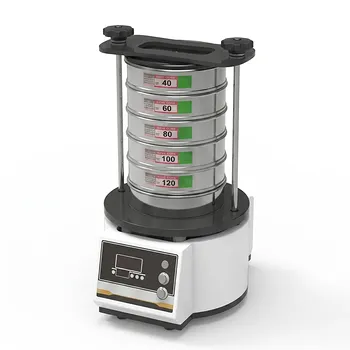
Dry Three Dimensional Vibratory Sieve Shaker
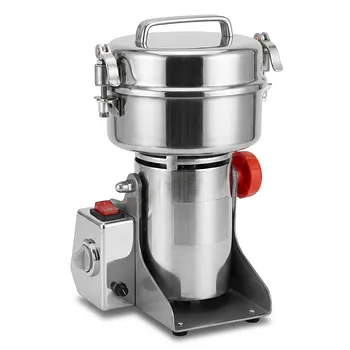
High Speed Laboratory Powder Grinder Small Batch Sample Preparation Mill
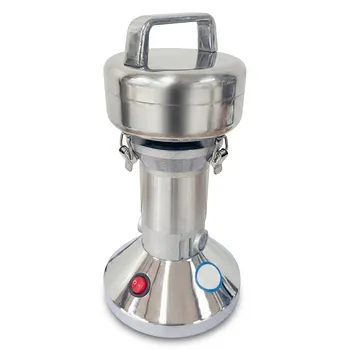
Small Trace Sample High Speed Pulverizer Grinder Laboratory Powder Mill
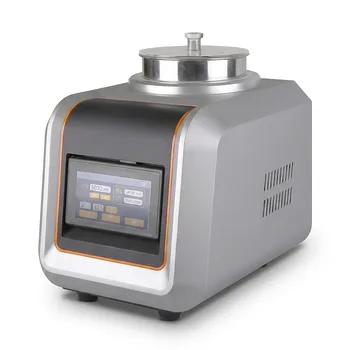
Laboratory Air Jet Sieving Machine for Fine Powder Particle Size Analysis and Deagglomeration