What critical role does the closed grinding jar play in the mechanochemical degradation of PFOA? Safe & Efficient Destruction
Updated 4 months ago
The closed grinding jar acts as a high-integrity micro-reactor that isolates the hazardous degradation process from the external environment. Its primary role is to serve as a pressurized vessel that prevents the leakage of Perfluorooctanoic acid (PFOA) and its toxic intermediates while facilitating the intense energy transfer required to break indestructible carbon-fluorine bonds.
The closed grinding jar is the critical component that ensures both environmental safety and reaction efficiency by providing a sealed physical field where mechanical energy is consistently converted into the chemical energy needed for complete molecular destruction.
Isolation and Environmental Protection
Preventing the Leakage of Persistent Pollutants
PFOA is a "forever chemical" known for its extreme persistence and mobility in the environment. The closed grinding jar provides a completely isolated reaction environment, ensuring that no raw PFOA escapes into the atmosphere or surrounding workspace during the high-energy milling process.
Containing Hazardous Degradation Products
The mechanochemical process breaks down complex molecules into smaller, often volatile, intermediates before full mineralization occurs. A hermetically sealed system prevents these degradation products from leaking, maintaining a zero-emission profile for the treatment process.
Energy Dynamics and Reaction Stability
Mechanical to Chemical Energy Conversion
Breaking the carbon-fluorine bond requires significant energy input that must be concentrated at the molecular level. The jar serves as a controlled physical field, allowing the kinetic energy from the grinding media to be efficiently transformed into the chemical energy necessary to trigger the degradation reaction.
Ensuring Continuous Carbon Chain Destruction
For mechanochemistry to be effective, the reaction must proceed without interruption until the PFOA carbon chains are fully destroyed. The enclosed system maintains the stability of the internal environment, preventing outside variables like humidity or oxygen fluctuations from prematurely quenching the reaction.
Understanding the Trade-offs
Thermal Accumulation and Pressure Management
While the closed environment is essential for containment, it naturally leads to significant heat build-up during the grinding process. This thermal energy can assist the reaction, but excessive heat may also increase internal pressure, necessitating robust jar materials like stainless steel or specialized ceramics.
Material Wear and Contamination
The high-energy impacts required for PFOA degradation can cause vessel erosion over time. Users must balance the need for a high-integrity seal with the inevitable wear on the inner walls of the jar, which may introduce trace elements from the jar material into the final treated substrate.
Applying This to Your Remediation Project
Maximizing Safety and Efficiency
When implementing mechanochemical degradation for PFOA, the choice and maintenance of the grinding vessel are as important as the chemical additives used.
- If your primary focus is environmental compliance: Ensure the jar seals are checked for integrity before every cycle to prevent any trace leakage of persistent organic pollutants.
- If your primary focus is complete mineralization: Monitor the milling duration to ensure the physical field remains stable long enough for the carbon chains to be fully shattered.
The closed grinding jar is not merely a container, but the essential engine for safe and effective PFOA destruction.
Summary Table:
| Key Role | Primary Function | Impact on PFOA Degradation |
|---|---|---|
| Environmental Isolation | Hermetic sealing | Prevents leakage of toxic PFOA and volatile intermediates. |
| Energy Micro-Reactor | Energy conversion | Efficiently transforms kinetic energy into chemical energy to break C-F bonds. |
| Process Stability | Atmospheric control | Prevents external variables (humidity/oxygen) from quenching the reaction. |
| Pressure Containment | Structural integrity | Safely manages heat build-up and internal pressure during high-energy milling. |
Optimize Your Mechanochemical Research with Precision Equipment
At [Company Name], we provide complete laboratory sample preparation solutions tailored for material science and environmental remediation. Achieving complete mineralization of PFOA requires high-performance equipment that ensures safety and energy efficiency.
Our specialized range includes:
- Advanced Mills: Planetary ball mills, jet mills, and disc mills designed for intense energy transfer.
- Powder Processing: High-integrity grinding jars, crushers, and sieve shakers for precise particle size control.
- Compaction & Thermal Lab Gear: A full spectrum of hydraulic presses (CIP/WIP, hot presses) and vacuum systems.
Whether you are scaling up PFOA destruction or developing new material substrates, our equipment provides the stability and containment you need.
Ready to enhance your lab’s efficiency? Contact our experts today to find the perfect solution for your powder processing and compaction needs.
References
- Chuan Wang, Kun Yang. How external forces affect the degradation properties of perfluorooctanoic acid in mechanochemical degradation: a DFT study. DOI: 10.1039/d5mr00048c
Mentioned Products
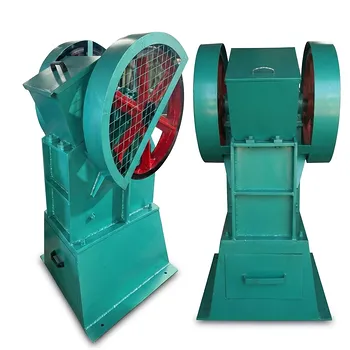
- Sealed Jaw Crusher for Laboratory Material Crushing and Sample Preparation
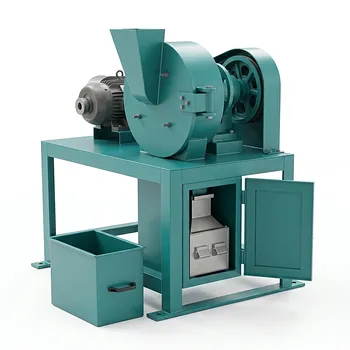
- Sealed Disc Pulverizer Customized Model
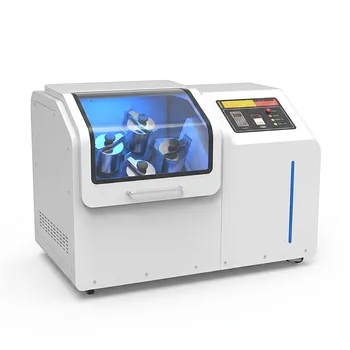
- High Energy Omnidirectional Planetary Ball Mill 16L
People Also Ask
- What is the primary function of a laboratory jaw crusher when processing low-grade copper ore? Expert Guide
- What is the role of a laboratory jaw crusher in the initial preparation of silicate-type low-grade copper ore?
- What is the primary function of a laboratory jaw crusher in the pretreatment process of galena ore? Initial Prep Guide
- Why is a laboratory jaw crusher necessary for processing biomass materials? Essential Prep for Material Science
- What is the primary function of a laboratory jaw crusher? Master Initial Hard Rock Ore Preparation & Feed Sizing

Tech Team · PowderPreparation
Last updated on Jun 03, 2026