Why use hardened steel for Ni2MnSn alloy milling? Achieve high efficiency, purity, and nanoscale refinement.
Updated 4 months ago
Hardened steel grinding media and jars are utilized primarily for their exceptional hardness and high density, which ensure efficient kinetic energy transfer during high-intensity milling. This hardware configuration facilitates the continuous cycles of fracture and cold welding required to achieve microscopic homogeneity in the Ni2MnSn alloy. Furthermore, the wear resistance of hardened steel minimizes material loss from the tools, protecting the chemical purity of the alloy components.
Hardened steel provides the necessary mechanical impact and durability to overcome the high deformation resistance of nickel-based powders. By maximizing energy density and reducing media wear, these tools enable the production of nanostructured alloys with precise compositional control.
Maximizing Energy Transfer and Milling Efficiency
High Density for Kinetic Impact
Hardened steel possesses a high density that is critical for efficient energy conversion at high rotational speeds, such as 350 to 400 rpm. This density ensures that each collision between the media and the powder delivers sufficient kinetic energy to initiate material transformation.
Overcoming Powder Deformation Resistance
Ni2MnSn alloy components often exhibit significant resistance to mechanical deformation during the milling process. The high hardness of hardened steel allows the media to effectively crush original metal particles, ensuring the powders are refined rather than simply displaced.
Accelerating the Alloying Timeline
By providing high-frequency, high-energy impacts, hardened steel media reduce the time required to reach a steady state of alloying. This efficiency is vital when processing complex alloys that require prolonged milling durations to achieve a uniform phase.
Facilitating the Mechanical Alloying Process
Managing Fracture and Cold Welding Cycles
Mechanical alloying relies on a continuous balance between the fracturing of brittle particles and the cold welding of ductile ones. Hardened steel provides the consistent impact force necessary to maintain these cycles, leading to uniform mixing at the microscopic scale.
Achieving Nanoscale Refinement
The intense impact energy facilitated by hardened steel media is capable of refining the grain structure of the Ni2MnSn components to the nanoscale. This structural refinement is often a primary goal in advanced materials synthesis to enhance magnetic or mechanical properties.
Impact Frequency and Ball-to-Powder Ratios
When used with high ball-to-powder weight ratios (such as 10:1), hardened steel ensures a sufficient collision frequency. This ensures that every volume of the powder is subjected to enough energy to undergo the necessary phase changes within the designated processing time.
Material Integrity and Purity Control
Wear Resistance and Contamination Mitigation
Hardening treatments significantly enhance the wear resistance of the grinding jars and balls, allowing them to withstand high-intensity impacts for 24 to 100 hours. This durability minimizes the introduction of iron-based impurities into the Ni2MnSn powder from equipment erosion.
Material Compatibility
In many Ni-based alloy systems, the introduction of trace iron elements from hardened steel wear can be incorporated into the alloy matrix without detrimental effects. This compatibility makes hardened steel a cost-effective and technically sound choice compared to more expensive or brittle alternatives.
Structural Stability Under Stress
Hardened steel components are designed to endure significant mechanical stress without cracking or deforming. This stability ensures that the milling environment remains constant throughout the process, preventing unexpected changes in energy density.
Understanding the Trade-offs
Potential for Iron Pick-up
While wear is minimized, it is rarely eliminated; trace amounts of iron may still enter the sample during long-duration milling. If the Ni2MnSn application is extremely sensitive to iron contamination, alternative materials like zirconia or tungsten carbide may be required, despite their higher cost or different density profiles.
Heat Generation
The high energy levels facilitated by hardened steel can lead to significant heat accumulation within the jar. Excessive heat may trigger unwanted phase transformations or premature annealing, necessitating the use of cooling intervals or process control agents.
Media Weight and Equipment Strain
The high weight of steel media increases the mechanical load on the ball mill’s motors and drive systems. Operators must ensure that the equipment is rated for the combined weight of hardened steel jars and high-density media to prevent premature mechanical failure.
How to Apply This to Your Project
Recommendations for Ni2MnSn Milling
- If your primary focus is maximum alloying speed: Utilize a high ball-to-powder ratio (10:1) with hardened steel balls to maximize the frequency of high-energy impacts.
- If your primary focus is nanostructured grain refinement: Ensure the use of hardened steel jars to maintain high-intensity energy transfer over long durations, typically exceeding 24 hours.
- If your primary focus is chemical purity: Select hardened steel over standard stainless steel to benefit from superior wear resistance, which limits the volume of iron debris introduced to the powder.
- If your primary focus is preventing heat-induced phase changes: Implement a "rest cycle" during the milling process to dissipate the thermal energy generated by the heavy steel impacts.
By leveraging the hardness and density of hardened steel, researchers can successfully synthesize Ni2MnSn alloys with the structural and chemical uniformity required for high-performance applications.
Summary Table:
| Feature | Advantage for Ni2MnSn Milling | Benefit to Result |
|---|---|---|
| High Density | Maximum kinetic energy transfer at 350-400 rpm | Faster alloying & steady-state reach |
| Extreme Hardness | Overcomes high powder deformation resistance | Nanoscale grain refinement |
| Wear Resistance | Minimizes media erosion during long runs (24h+) | High chemical purity & low Fe pick-up |
| Structural Stability | Resists cracking under high-frequency impact | Consistent energy density & process safety |
Optimize Your Material Synthesis with KINTEK SOLUTION
Achieving microscopic homogeneity and precise compositional control in Ni2MnSn alloys requires high-performance equipment. KINTEK SOLUTION provides complete laboratory sample preparation solutions specialized for material science. We excel in powder processing and compaction, ensuring your research meets the highest standards of purity and structural refinement.
Our comprehensive range includes:
- Advanced Milling: Planetary ball mills, jet mills, and high-density hardened steel media.
- Sample Preparation: Jaw/roll crushers, sieve shakers, and defoaming mixers.
- Precision Compaction: A full spectrum of hydraulic presses, including Cold/Warm Isostatic Presses (CIP/WIP), vacuum hot presses, and XRF pellet presses.
Ready to elevate your lab's efficiency and alloy quality? Contact our technical team today for a tailored solution!
References
- Florin Popa, I. Chicinaş. Phase Evolution by Annealing of Mechanically Activated Ni, Mn, and Sn Elemental Powders Mixture with the Ni2MnSn Heusler Compound Ratio. DOI: 10.3390/ma18245642
Mentioned Products
- Small High-Speed Laboratory Grinder for Powder Processing
- Laboratory Disc Mill for Fine Sample Preparation of Hard and Brittle Materials
- Laboratory Disc Mill Medium Hard Material Grinding Coal Coke Ore Pulverizer
- Cross Beater Mill for Brittle Material Grinding and Continuous Fine Crushing Industrial Sample Preparation
- Stainless Steel Coarse Crusher for Pharmaceutical Food and Plastic Material Processing
People Also Ask
- What role does a laboratory grinder play in the pretreatment of sunflower seed shell-based adsorbents? Boost Efficiency.
- How does a laboratory grinder or mill enhance the adsorption performance of agricultural waste materials? Boost Surface Area
- What is the role of laboratory grinding equipment in the preparation of waste glass powder for eco-friendly red bricks?
- Why is grinding equipment necessary for SnO2-Sb2O3 xerogels? Maximize surface area and photocatalytic activity.
- What is the primary role of grinding equipment in BLA preparation? Enhance Reactivity & Material Uniformity

Tech Team · PowderPreparation
Last updated on Jun 03, 2026
Related Products
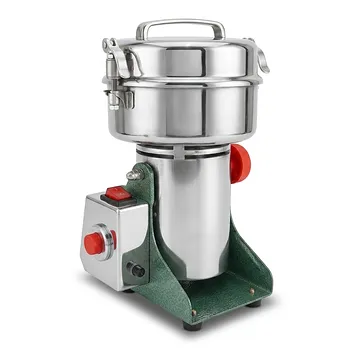
Small High-Speed Laboratory Grinder for Powder Processing
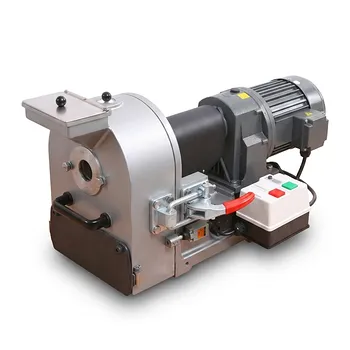
Laboratory Disc Mill for Fine Sample Preparation of Hard and Brittle Materials
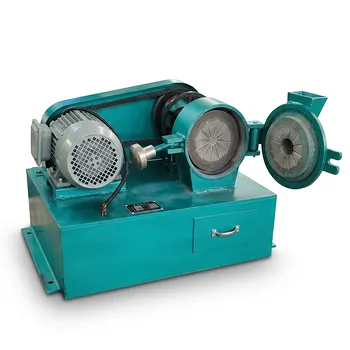
Laboratory Disc Mill Medium Hard Material Grinding Coal Coke Ore Pulverizer
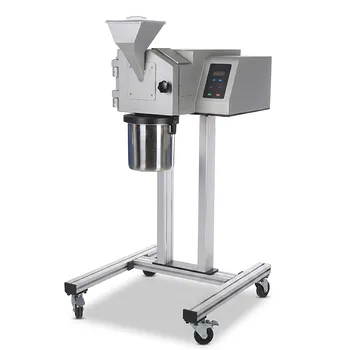
Cross Beater Mill for Brittle Material Grinding and Continuous Fine Crushing Industrial Sample Preparation
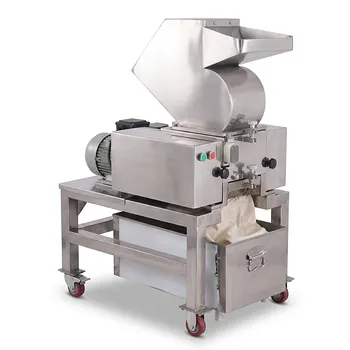
Stainless Steel Coarse Crusher for Pharmaceutical Food and Plastic Material Processing
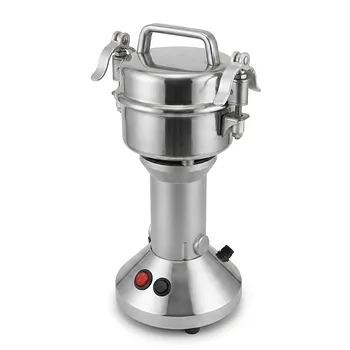
Continuous Feeding Grinding Mill for Dry Fibrous Tough and Hard Materials in Laboratory and Small Production
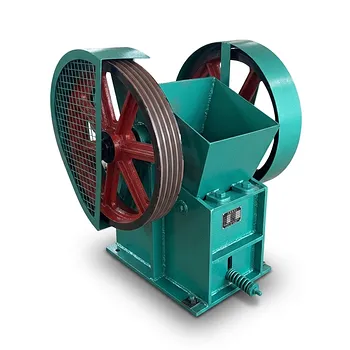
150x250mm Laboratory Jaw Crusher for Medium Hard Material Crushing and Sample Preparation
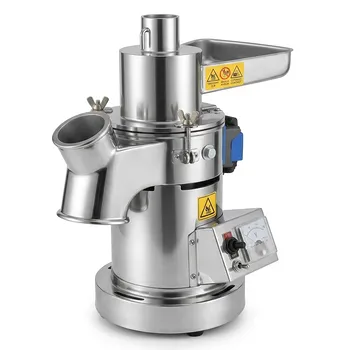
Continuous Feeding Grinder High Efficiency Pulverizer for Lab Sample Preparation
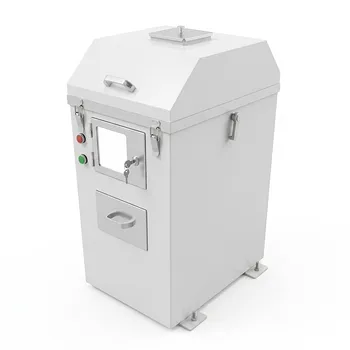
Sealed Double Roll Crusher for Laboratory Sample Preparation of Medium Hardness Materials
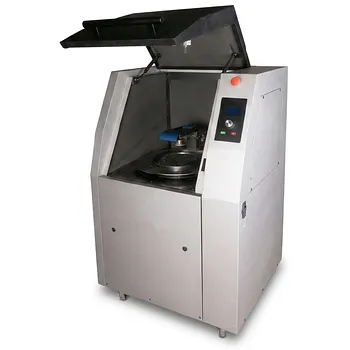
High Speed Vibratory Disc Mill for Spectral Analysis Sample Preparation and Rapid Powder Grinding