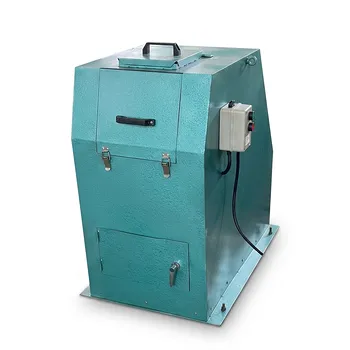
What are the advantages of using industrial jaw crushers for mudstone? Enhance Sample Precision & Lab Throughput
Updated 3 months ago
Industrial jaw crushers provide a superior alternative to manual crushing by delivering precise particle size control and significantly higher throughput. These machines automate the reduction of large mudstone blocks into consistent fragments, typically below 110 mm, while allowing for fine-tuning to meet specific laboratory grading requirements. By replacing manual labor with mechanical precision, researchers ensure that sample variability is minimized and the physical foundations for subsequent testing are standardized.
The transition from manual to industrial jaw crushing is not merely about speed; it is about ensuring sample representativeness and protecting the fundamental mineral structures required for accurate chemical and physical analysis.
Enhancing Throughput and Processing Efficiency
Rapid Reduction of Bulk Material
Industrial jaw crushers are designed to convert large, irregular mudstone blocks into manageable stones with a particle size smaller than 110 mm. This mechanical process is exponentially faster than manual methods, allowing for the preparation of high volumes of material in a fraction of the time.
Streamlining the Workflow for Secondary Stages
By achieving primary size reduction efficiently, jaw crushers create a uniform material base for secondary crushing equipment. This established physical foundation is critical for subsequent sample splitting and fine grinding, ensuring a smooth transition through the preparation pipeline.
Reducing Human Labor and Error
Manual crushing is inherently labor-intensive and prone to human error, leading to inconsistent fragmentation. Mechanical crushing eliminates these variables, providing a reliable and repeatable output that satisfies rigorous laboratory specifications.
Precision Control and Sample Consistency
Adjustable Discharge for Custom Grading
One of the most significant technical advantages is the ability to adjust the discharge opening size. This feature allows operators to refine mudstone particles to meet specific grading requirements, which is nearly impossible to achieve with manual tools.
Minimizing Sample Variability
Consistency in particle shape and fragmentation is essential for scientific validity. Industrial crushers apply uniform force across the sample, ensuring that the resulting particles are representative of the bulk material rather than a byproduct of erratic manual strikes.
Standardization for Laboratory Analysis
For many outcrop samples, a uniform specification—often 12.5 mm—is required for downstream sampling stages. Mechanical crushing ensures the entire bulk sample reaches this uniform size, maintaining the overall representativeness of the final sample used in the lab.
Preserving Mineralogical and Chemical Integrity
Protecting Crystal Structures
Industrial crushers apply controlled mechanical stress to pulverize large chunks without destroying the fundamental mineral crystal structures of the mudstone. This precision is vital for researchers who need to study the rock's natural state without the artifacts of over-processing.
Maintaining Surface Charge Characteristics
Controlled crushing protects the amphoteric oxide phases within the material, which are responsible for adsorption activity. By preserving these phases, the mudstone retains its high-efficiency surface charge characteristics, which are often critical for environmental or chemical studies.
Preventing Material Degradation
Unlike the blunt force of manual hammers, which can cause localized overheating or excessive fracturing, jaw crushers use mechanical pressure to break the rock. This helps ensure the material properties remain intact for further fine-tuning or chemical analysis.
Understanding the Technical Trade-offs
Equipment Maintenance and Upkeep
While jaw crushers increase efficiency, they require regular maintenance of the jaw plates and mechanical components to prevent wear-related performance drops. Owners must factor in the cost of replacement parts and periodic downtime for inspections.
Potential for Cross-Contamination
Mechanical systems can harbor residual dust from previous batches if not cleaned thoroughly between runs. To maintain sample purity, a rigorous cleaning protocol—often involving "blank" runs with inert material—is necessary when switching between different mudstone types.
Initial Capital Expenditure
The primary hurdle for many labs is the upfront cost of industrial-grade machinery compared to simple manual tools. However, this cost is typically offset by the reduction in labor hours and the increased reliability of the resulting data.
Optimizing Your Sample Preparation Strategy
If your primary focus is high-volume laboratory throughput: Prioritize a jaw crusher with a high reduction ratio to quickly prepare large outcrop samples for secondary processing stages.
If your primary focus is mineralogical or adsorption research: Ensure the crusher is set to a controlled pressure mode to protect the amphoteric oxide phases and maintain the surface charge integrity of the mudstone.
If your primary focus is particle size distribution (PSD) accuracy: Utilize the adjustable discharge opening to target specific grading requirements, ensuring the final sample is uniform and representative of the parent material.
The shift toward industrial jaw crushing is a fundamental step in ensuring that mudstone analysis is both scalable and scientifically robust.
Summary Table:
| Feature | Manual Crushing | Industrial Jaw Crusher |
|---|---|---|
| Processing Speed | Slow, labor-intensive | High throughput, automated |
| Particle Size Control | Variable and inconsistent | Precise, adjustable discharge |
| Sample Integrity | Risk of overheating/damage | Protects mineral crystal structures |
| Repeatability | Low (subject to human error) | High (standardized mechanical output) |
| Target Sizing | Difficult to hit specific grades | Easily achieves <12.5mm lab specs |
Optimize Your Material Preparation with Professional Lab Solutions
Achieving scientific accuracy starts with standardized sample preparation. At our facility, we provide complete laboratory sample preparation solutions designed specifically for material science and geological research.
Whether you are processing mudstone, ceramics, or advanced alloys, our equipment ensures the highest level of mineralogical and chemical integrity. Our extensive product lines include:
- Crushing & Grinding: High-performance jaw and roll crushers, liquid nitrogen cryogenic grinders, and diverse mills (planetary ball, jet, sand/bead, disc, and rotor).
- Sizing & Mixing: Vibratory and air-jet sieve shakers with precision test sieves, along with advanced powder and defoaming mixers.
- Compaction & Pressing: A full spectrum of hydraulic presses, including Cold/Warm Isostatic Presses (CIP/WIP), standard lab presses, XRF pellet presses, and vacuum hot presses.
Ready to eliminate manual variability and scale your laboratory throughput? Contact our technical team today to find the perfect equipment configuration for your specific material requirements.
References
- Yue Liang, Kui Wang. Influential Mechanisms of Roughness on the Cyclic Shearing Behavior of the Interfaces Between Crushed Mudstone and Steel-Cased Rock-Socketed Piles. DOI: 10.3390/buildings15010141
Mentioned Products
- Heavy Duty Industrial Jaw Crusher for Primary Ore Crushing and High Capacity Mineral Material Size Reduction
- 150x250mm Laboratory Jaw Crusher for Medium Hard Material Crushing and Sample Preparation
- Heavy-Duty Jaw Crusher for Medium-Hard Ore and Industrial Mineral Crushing
- 150×125mm Laboratory Jaw Crusher for Medium and Fine Crushing of Brittle Materials
- 250x400 Jaw Crusher for Primary Crushing of Ores and Bulk Materials
People Also Ask
- What role does an industrial jaw crusher play in gangue slurry processing? Essential Primary Size Reduction Insights
- What is the function of an industrial jaw crusher in the primary processing of ironstone? Key to Efficient Reduction
- What is the role of industrial crushers and standard test sieves in biomass pyrolysis? Optimize Heat Transfer & Yield
- What is the function of a jaw crusher in reservoir sediment geopolymer synthesis? Primary Size Reduction Explained
- What is the role of jaw or roll crushers in the initial processing of copper ore samples? Essential Prep for Analysis

Tech Team · PowderPreparation
Last updated on Jun 03, 2026
Related Products
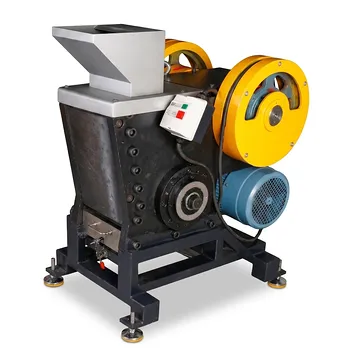
Heavy Duty Industrial Jaw Crusher for Primary Ore Crushing and High Capacity Mineral Material Size Reduction
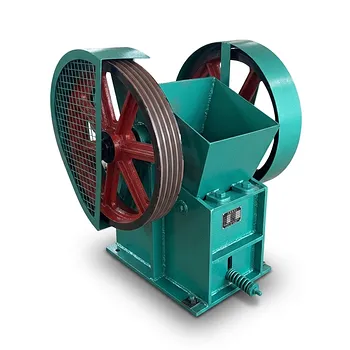
150x250mm Laboratory Jaw Crusher for Medium Hard Material Crushing and Sample Preparation
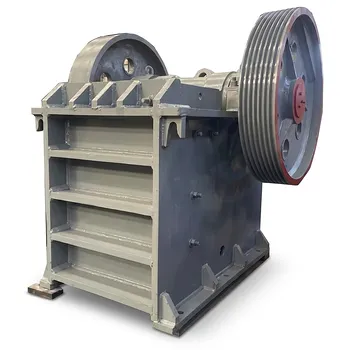
Heavy-Duty Jaw Crusher for Medium-Hard Ore and Industrial Mineral Crushing
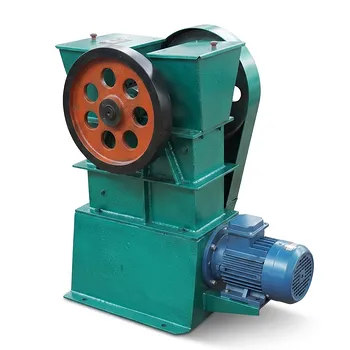
150×125mm Laboratory Jaw Crusher for Medium and Fine Crushing of Brittle Materials
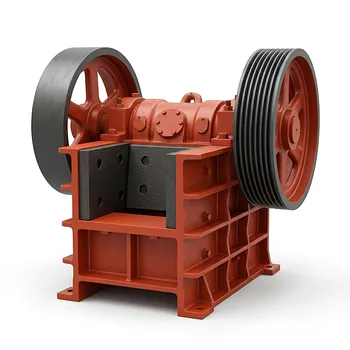
250x400 Jaw Crusher for Primary Crushing of Ores and Bulk Materials
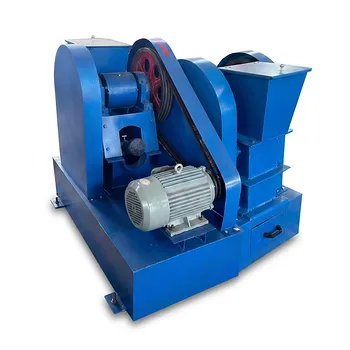
Horizontal Jaw Crusher Medium Hard Material Crushing Laboratory Sample Preparation Equipment
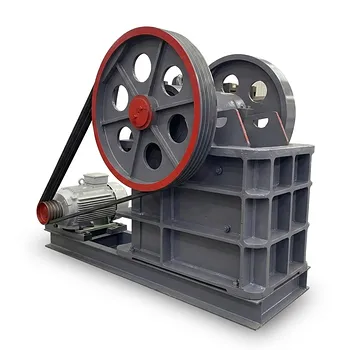
250x400mm Jaw Crusher Medium Crushing Equipment for Mining Mineral Sample Preparation
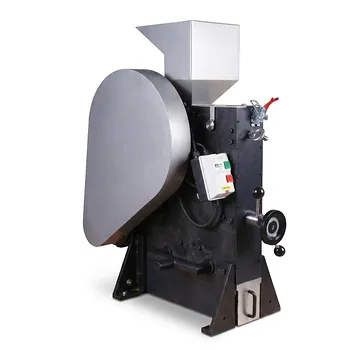
Heavy Duty Industrial Laboratory Jaw Crusher for Primary Sample Preparation and Hard Material Size Reduction
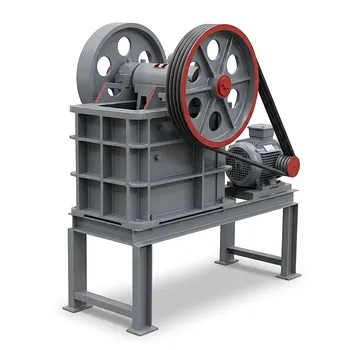
Laboratory Jaw Crusher 200x300mm Opening for Primary Crushing of Ores and Aggregates
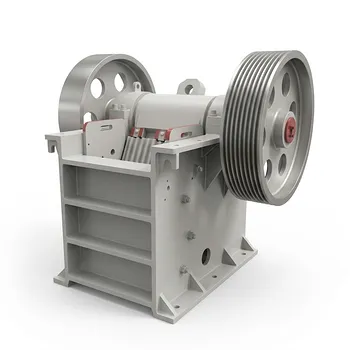
Jaw Crusher with 400x600mm Feed Opening for Primary Rock Crushing in Mining and Construction
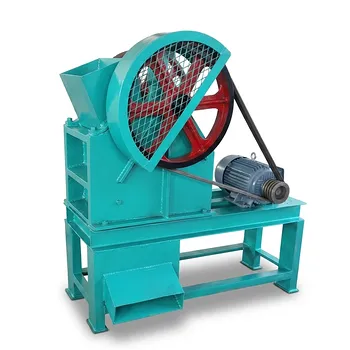
150x250mm Custom Laboratory Jaw Crusher for Coal Ore Mineral Crushing
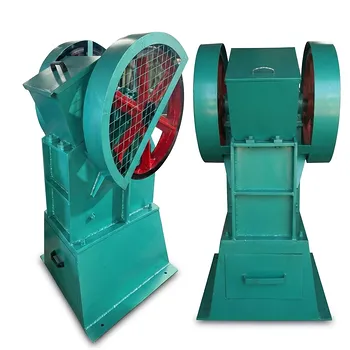
Sealed Jaw Crusher for Laboratory Material Crushing and Sample Preparation
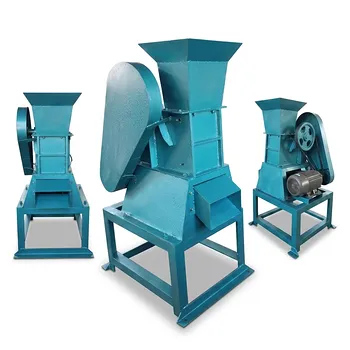
Custom Raised Height Laboratory Jaw Crusher for Precision Sample Preparation in Material Science
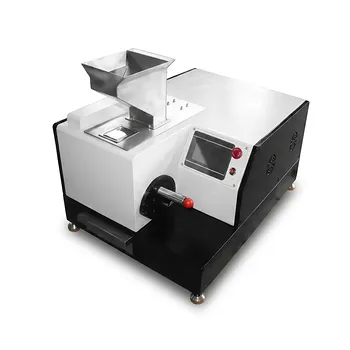
Experimental Jaw Crusher for Laboratory Ore Crushing and Sample Preparation
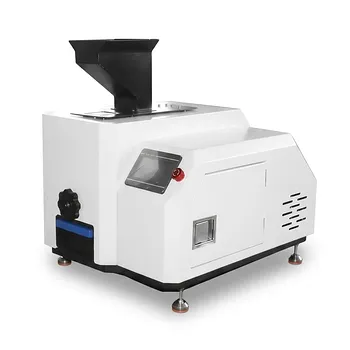
Laboratory Jaw Crusher 2025 Model for Ore and Brittle Material Crushing
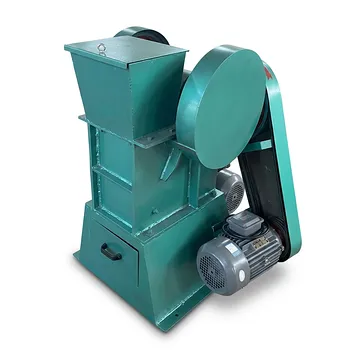
Small Laboratory Jaw Crusher 150x200mm Feed Opening for Sample Preparation and Medium Fine Crushing
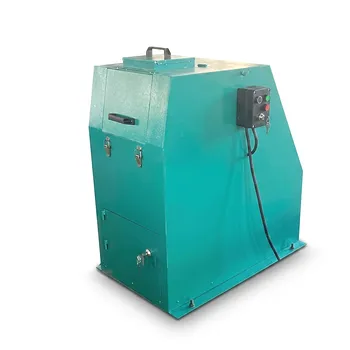
Environmentally Friendly Sealed Jaw Crusher for Laboratory Sample Preparation
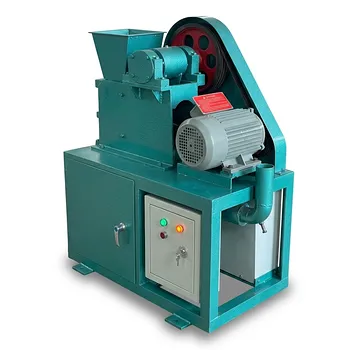
EP-B Type Sealed Jaw Crusher for Laboratory Sample Preparation
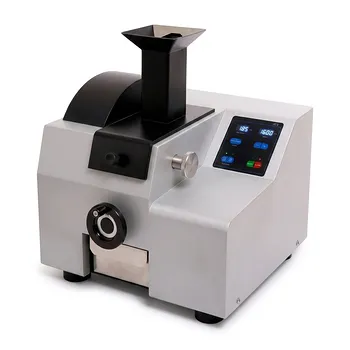
Laboratory Benchtop Jaw Crusher for Hard Brittle Materials Primary Size Reduction and Sample Preparation