What are the advantages of using high-strength stainless steel grinding balls in Pb(DS)2 nanorod synthesis?
Updated 5 months ago
High-strength stainless steel grinding balls are essential for providing the intense impact energy and shear forces required to trigger the mechanochemical synthesis of Pb(DS)2 nanorods. These grinding media ensure the reaction system reaches the necessary activation energy thresholds while facilitating the orderly structural rearrangement of sodium dodecyl sulfate (SDS) molecules. By utilizing high-density metal balls, researchers can achieve superior grinding efficiency and precise control over the molecular alignment needed for nanorod formation.
The primary advantage of high-strength stainless steel balls lies in their ability to translate mechanical kinetic energy into chemical activation energy, specifically inducing the linear bilayer arrangement of SDS molecules required for Pb(DS)2 nanorod synthesis.
Maximizing Kinetic Energy Transfer
High Impact and Shear Forces
Stainless steel’s high density allows for the generation of massive kinetic energy during high-speed rotation. This energy is transferred through repeated impacts and shear forces, providing the activation energy required to break chemical bonds in solid precursors.
Improving Grinding Efficiency
A specific ball-to-powder ratio (such as 10:1) combined with high-strength media optimizes the frequency of collisions. This results in faster particle size reduction and more uniform mixing than traditional stirring or low-density media.
Overcoming Diffusion Barriers
High-energy collisions force solid reactants into intimate, molecular-level contact. This overcomes the diffusion limits inherent in solvent-free reactions, ensuring the synthesis proceeds to completion by facilitating the repeated deformation and fracture of particles.
Inducing Structural and Molecular Alignment
SDS Molecular Rearrangement
The mechanical stress exerted by high-strength balls is critical for inducing the orderly bilayer linear arrangement of sodium dodecyl sulfate (SDS) molecules. This specific molecular template guides the growth of the reaction products into a nanorod morphology.
Facilitating Atomic-Level Solid Solutions
The rigid impact surfaces of stainless steel ensure that elements achieve full atomic-level solid solution. This high-energy environment is necessary to disrupt stable structures and induce the embedding of atoms into the desired crystalline edges.
Maintaining System Stability
High-strength stainless steel is designed to withstand high-pressure atmospheres and high-temperature shocks generated during mechanochemical reactions. This ensures that the mechanical energy is precisely applied to the powder without equipment failure or loss of airtightness.
Understanding the Trade-offs
Potential for Material Contamination
Despite their high hardness, high-frequency impacts can lead to trace metal wear from the balls and jars. While stainless steel is chosen for its wear resistance, researchers must monitor product purity for iron or chromium impurities in highly sensitive applications.
Thermal Energy Management
The intense friction and impact of high-density balls generate significant local heat. While this thermal energy can assist activation, it may also lead to unintended thermal decomposition or phase changes if the milling process is not punctuated by cooling cycles.
Kinetic Energy Saturation
Increasing the speed or density of the grinding media does not always yield better results. There is a point of diminishing returns where excessive energy can lead to the agglomeration of particles or the destruction of the template molecules required for nanorod growth.
Optimizing the Synthesis Environment
Selecting the right grinding media parameters is vital for successful mechanochemical synthesis.
- If your primary focus is nanorod morphology control: Maintain a precise ball-to-powder ratio to ensure the mechanical stress is sufficient to induce the linear bilayer alignment of template molecules.
- If your primary focus is reaction speed and yield: Use high-density stainless steel balls to maximize impact energy transfer and overcome reactant contact barriers in the solid state.
- If your primary focus is product purity: Opt for hardened stainless steel grades and monitor milling duration to minimize wear-induced contamination from the grinding media.
High-strength stainless steel grinding balls serve as more than just a grinding medium; they act as a critical kinetic catalyst that enables the precise molecular structuring required for high-quality Pb(DS)2 nanorod synthesis.
Summary Table:
| Key Advantage | Technical Impact | Synthesis Result |
|---|---|---|
| Kinetic Energy Transfer | High density/impact forces | Breaks chemical bonds; provides activation energy |
| Molecular Alignment | Mechanical stress on SDS | Induces linear bilayer template for nanorods |
| Grinding Efficiency | Optimized ball-to-powder ratio | Rapid particle size reduction and uniform mixing |
| Diffusion Control | Molecular-level contact | Overcomes solid-state reactant diffusion barriers |
| System Stability | High pressure/thermal resistance | Maintains airtightness and mechanical integrity |
Elevate Your Material Synthesis with Precision Equipment
Achieving the perfect nanorod morphology requires more than just high-quality media; it requires the right equipment. At Precision Lab Solutions, we provide complete laboratory sample preparation solutions tailored for material science. We specialize in high-performance powder processing and compaction equipment designed to meet the rigorous demands of mechanochemical synthesis.
Our extensive product line includes:
- Advanced Milling: Planetary ball mills, jet mills, and cryogenic grinders for superior grinding efficiency.
- Powder Processing: Sieve shakers, powder mixers, and defoaming mixers to ensure uniform material consistency.
- Compaction Excellence: A full spectrum of hydraulic presses, including Cold/Warm Isostatic Presses (CIP/WIP), vacuum hot presses, and XRF pellet presses.
Whether you are scaling up production or refining nanorod synthesis, our tools provide the control and durability your research deserves. Contact our technical experts today to discuss how our solutions can optimize your laboratory workflow!
References
- Zhiqiang Wu, Pengxi Jiang. Preparation of lead dodecyl sulfate nanorod materials mediated by mechanochemistry and green solvent-free catalytic synthesis of heterocyclic derivatives. DOI: 10.1039/d4mr00123k
Mentioned Products
- Small High-Speed Laboratory Grinder for Powder Processing
- High Speed Laboratory Grinder Efficient Stainless Steel Powder Pulverizer Universal Material Science Mill for Sample Preparation
- Heavy Duty Horizontal Planetary Ball Mill for Efficient Industrial Grinding and Sample Preparation
- Vertical Square Planetary Ball Mill for Laboratory Sample Preparation and Nanoscale Grinding
- High Energy Omnidirectional Planetary Ball Mill 20L
People Also Ask
- What role does a laboratory grinder play in the pretreatment of sunflower seed shell-based adsorbents? Boost Efficiency.
- How does a laboratory grinder or mill enhance the adsorption performance of agricultural waste materials? Boost Surface Area
- What is the role of laboratory grinding equipment in the preparation of waste glass powder for eco-friendly red bricks?
- Why is grinding equipment necessary for SnO2-Sb2O3 xerogels? Maximize surface area and photocatalytic activity.
- What is the primary role of grinding equipment in BLA preparation? Enhance Reactivity & Material Uniformity

Tech Team · PowderPreparation
Last updated on May 14, 2026
Related Products
Small High-Speed Laboratory Grinder for Powder Processing
High Speed Laboratory Grinder Efficient Stainless Steel Powder Pulverizer Universal Material Science Mill for Sample Preparation
Heavy Duty Horizontal Planetary Ball Mill for Efficient Industrial Grinding and Sample Preparation
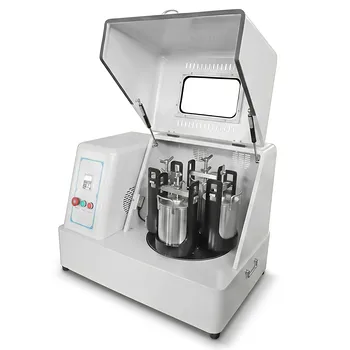
Vertical Square Planetary Ball Mill for Laboratory Sample Preparation and Nanoscale Grinding
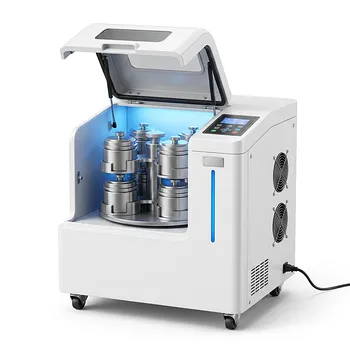
High Energy Omnidirectional Planetary Ball Mill 20L

High Energy Planetary Ball Mill for Nano Scale Grinding and Mechanical Alloying
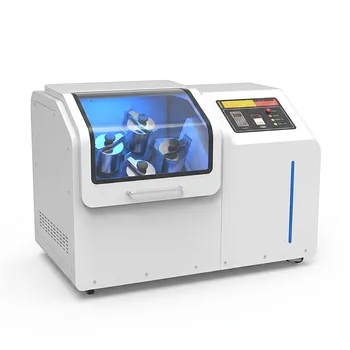
High Energy Omnidirectional Planetary Ball Mill 16L
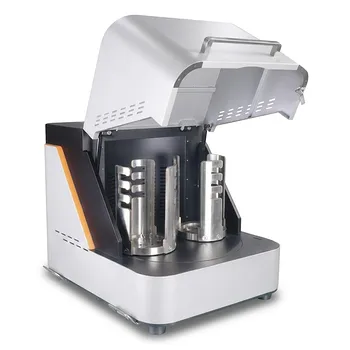
High Energy Laboratory Planetary Ball Mill for Nano Grinding and Colloidal Mixing of Hard and Brittle Materials
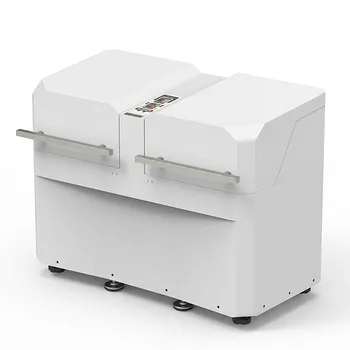
Dual Station Planetary Ball Mill 24L
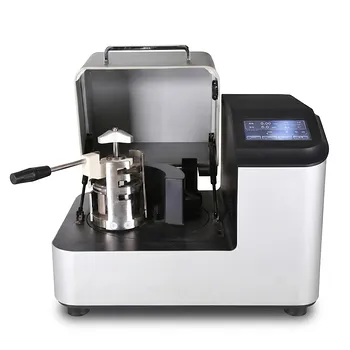
High Energy Laboratory Planetary Ball Mill for Nano Grinding and Material Science Sample Preparation
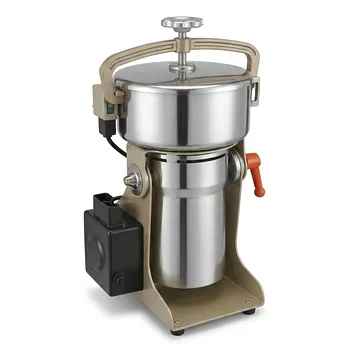
Multifunctional High Efficiency High Speed Laboratory Grinder
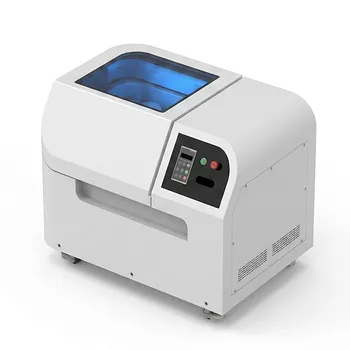
8L Planetary Ball Mill for Laboratory Grinding and Sample Preparation
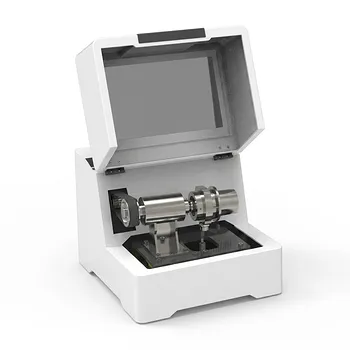
Single Tank High Energy Vibratory Ball Mill for Laboratory Grinding and Mixing
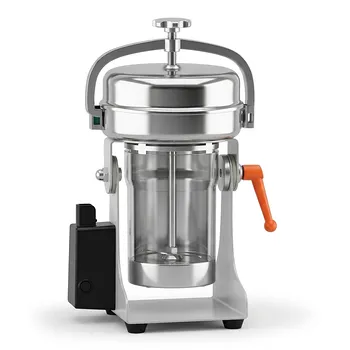
High Efficiency High Speed Grinder 2200W 25000 RPM Laboratory Sample Preparation
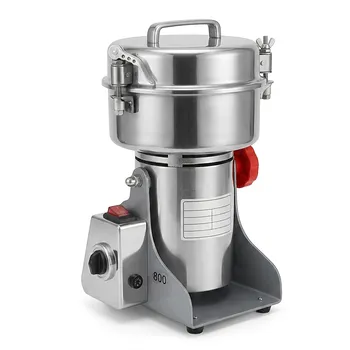
Small High-Speed Laboratory Grinder for Rapid Sample Preparation
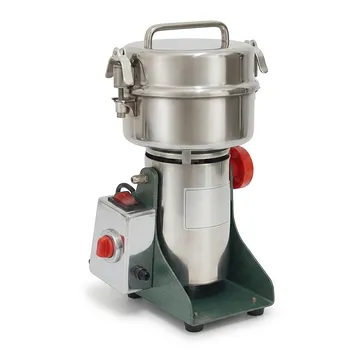
Small High Speed Grinder for Laboratory Sample Preparation
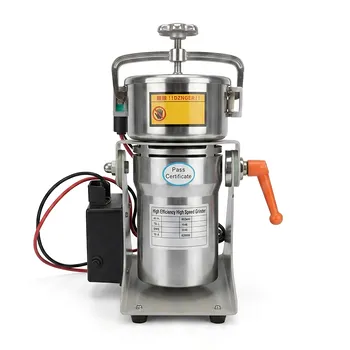
High Efficiency High Speed Grinder Laboratory Mill 1300W 25000rpm
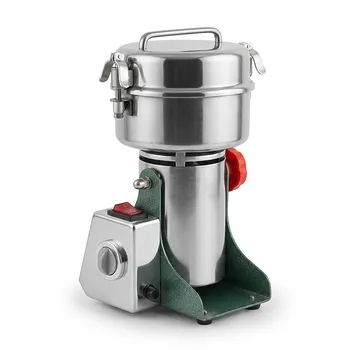
Small High-Speed Swing Grinder for Laboratory Sample Preparation
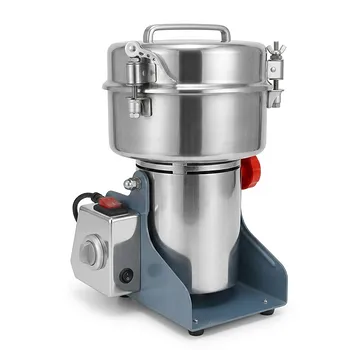
Small High-Speed Grinder for Efficient Laboratory Sample Preparation