What are the advantages of using a triple-shaft horizontal screw mixer? Achieve High-Precision Powder Blending Faster
Updated 5 months ago
Triple-shaft horizontal screw mixers significantly outperform single-shaft alternatives by utilizing a unique three-point agitation system. This configuration uses one bottom screw for transport and two adjustable top screws to maximize material circulation, effectively eliminating dead zones and drastically reducing mixing times for complex multi-component powder blends.
The triple-shaft design provides superior mixing uniformity by expanding the active mixing range and increasing mass transfer intensity. It is the definitive choice for applications requiring high precision and rapid processing of diverse powder materials.
Maximizing Material Circulation and Mass Transfer
The Role of the Bottom Screw
In a triple-shaft configuration, the bottom screw serves as the primary driver for overall material transport. It facilitates the upward extrusion of the powder, ensuring that material at the base of the mixer is constantly being integrated into the flow.
The Role of Adjustable Top Screws
The two top screws are strategically positioned to expand the active mixing range. By being adjustable, they can be fine-tuned to create more intense material circulation and maximize mass transfer throughout the vessel.
Minimizing Dead Zones
Single-shaft mixers often suffer from stagnant areas where material remains unmixed. The triple-shaft arrangement ensures that every corner of the mixing chamber is reached, eliminating dead zones and ensuring a completely homogeneous result.
Achieving Precision in Multi-Component Blending
Superior Mixing Uniformity
For multi-component powders, achieving a consistent ratio throughout the batch is critical. The combined action of three screws achieves a higher degree of mixing uniformity than single-shaft designs, which may struggle with ingredients of varying densities.
Accelerated Processing Times
Efficiency is a primary driver in industrial powder processing. Because the triple-shaft design increases the frequency of material interaction, it can achieve a perfect blend in a significantly shorter period than traditional equipment.
Enhanced Extrusion and Flow
The triple-screw interaction doesn't just mix; it facilitates a more intense upward extrusion. This movement prevents material from settling and ensures that additives are evenly dispersed through the bulk material.
Understanding the Trade-offs
Mechanical Complexity
The primary trade-off for this increased performance is mechanical complexity. With three shafts instead of one, there are more bearings, seals, and drive components that require regular inspection and maintenance.
Initial Capital Investment
Triple-shaft mixers typically require a higher upfront investment compared to single-shaft models. Users must weigh the cost of the equipment against the long-term gains in throughput and product quality.
Power Consumption
Driving three shafts through dense powder requires greater energy input. While the cycle times are shorter, the peak power demand is higher, which must be accounted for in the facility's electrical infrastructure.
Making the Right Choice for Your Goal
When deciding between triple-shaft and single-shaft equipment, your choice should be dictated by the specific requirements of your material and your production targets.
- If your primary focus is high-speed production: The triple-shaft mixer is the superior choice because it achieves uniformity in a fraction of the time.
- If your primary focus is high-precision blending: The triple-shaft design’s ability to eliminate dead zones makes it essential for sensitive multi-component formulas.
- If your primary focus is minimizing maintenance and capital cost: A single-shaft mixer may be sufficient for simple, two-component blends that do not require intense mass transfer.
By prioritizing intense material circulation and eliminating stagnant zones, triple-shaft technology provides the technical foundation for consistent, high-quality powder blending.
Summary Table:
| Feature | Triple-Shaft Mixer | Single-Shaft Mixer |
|---|---|---|
| Agitation System | 3-point (1 bottom + 2 adjustable top) | Single central shaft |
| Mixing Uniformity | Superior (High precision for multi-components) | Standard (Potential for inconsistency) |
| Dead Zones | Virtually eliminated via full circulation | Common in corners and stagnant areas |
| Processing Speed | Highly accelerated / Short cycle times | Slower / Requires longer duration |
| Maintenance | Higher complexity (more seals/bearings) | Lower complexity / Easier maintenance |
| Investment | Higher initial capital cost | Lower initial capital cost |
Elevate Your Material Research with Professional Mixing Solutions
Achieving perfect homogeneity in multi-component powder blends is critical for material science success. We provide complete laboratory sample preparation solutions, specializing in high-performance powder processing and compaction equipment.
From our precision triple-shaft horizontal screw mixers and defoaming mixers to our advanced mills (planetary, jet, and cryogenic) and crushers, we ensure your materials are processed to exact specifications. Complete your workflow with our full spectrum of hydraulic presses, including Cold/Warm Isostatic Presses (CIP/WIP), XRF pellet presses, and vacuum hot presses for superior sample density.
Ready to optimize your lab's efficiency and product quality?
Contact our experts today to find the ideal equipment for your specific application!
References
- Алматинский технологический университет, г. Алматы, Республика Казахстан. EXPERIMENTAL SUBSTANTIATION OF THE OPTIMAL VALUES OF THE ANGLE OF INCLINATION AND ROTATION FREQUENCY OF THE SCREWS OF A HORIZONTAL SCREW MIXER. DOI: 10.55956/yket2568
Mentioned Products
- Horizontal Trough Mixer for Uniform Powder and Paste Blending
- Horizontal Ribbon Mixer for Uniform Powder and Slurry Mixing
- Horizontal Ribbon Mixer for Dry Powder and Slurry Blending
- Hydraulic Double Shaft Disperser for High Viscosity Liquid Mixing and Dispersion
- Inclined Mixer for Homogeneous Powder Blending and Grinding
People Also Ask
- How does the fill level of a horizontal mixer influence the selection of the stirring mechanism? Optimize Your Design
- What is the technical significance of radial clearance in horizontal mixers? Boost Homogeneity & Reduce Dead Zones.
- What is the role of a powder mixer in SiC mechanical seal ring production? Ensure Homogeneity and Structural Integrity
- What is the importance of using a high-efficiency powder mixer when preparing sand and soil mixtures? Accurate Results.
- Why is it necessary to consider the influence of static walls in powder mixing experiment design? Optimize Uniformity.

Tech Team · PowderPreparation
Last updated on May 14, 2026
Related Products
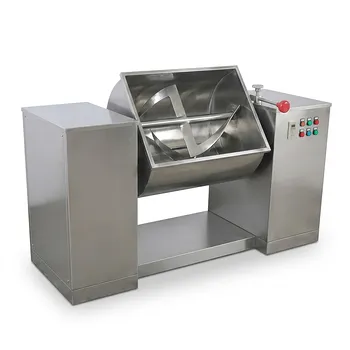
Horizontal Trough Mixer for Uniform Powder and Paste Blending
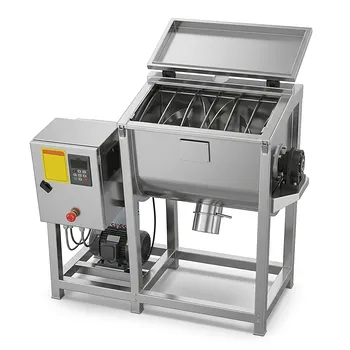
Horizontal Ribbon Mixer for Uniform Powder and Slurry Mixing
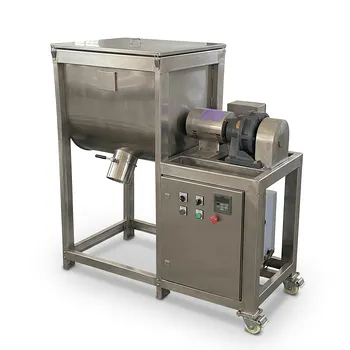
Horizontal Ribbon Mixer for Dry Powder and Slurry Blending
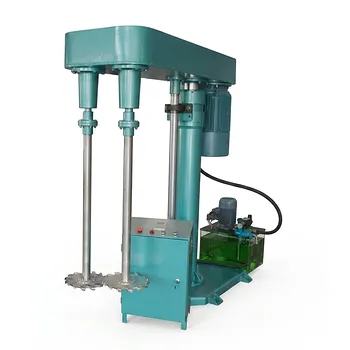
Hydraulic Double Shaft Disperser for High Viscosity Liquid Mixing and Dispersion
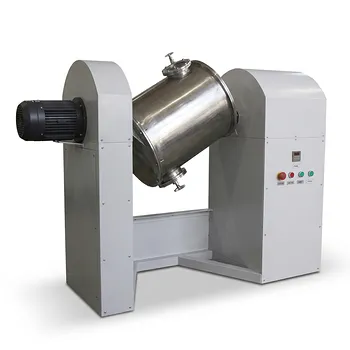
Inclined Mixer for Homogeneous Powder Blending and Grinding
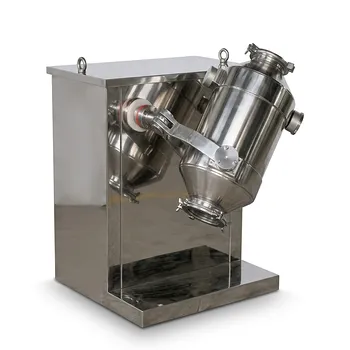
Three-Dimensional Motion Mixer for Laboratory Powder and Granule Blending