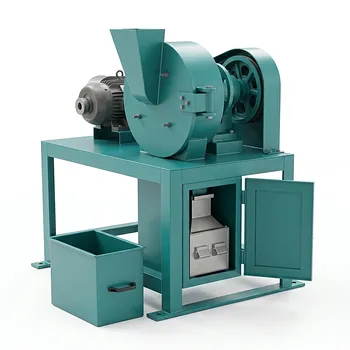
How to select a laboratory grinder for ceramic aerogels? Optimize purity and particle size for adsorption testing.
Updated 3 months ago
Selecting the right laboratory grinder for ceramic aerogels requires a focus on material purity and particle uniformity. To process these brittle materials effectively for adsorption testing, you must utilize equipment that provides high-purity liners and adjustable energy inputs. This ensures the resulting powder maintains its chemical integrity while achieving the high surface area necessary for accurate kinetic measurements.
Transforming bulk ceramic aerogels into powder requires a balance between aggressive particle size reduction and the strict avoidance of metallic contamination. By selecting high-purity contact materials and controlling milling energy, you create a uniform substrate that ensures repeatable and reliable adsorption data.
Prioritizing Purity in Material Contact
Choosing Non-Metallic Liners
Ceramic aerogels are highly sensitive to contamination, which can yield false positives or negatives during adsorption testing. Equipment must be outfitted with high-purity liners made of materials like alumina or tungsten carbide.
These materials are harder than the aerogel itself and significantly more stable. They prevent the introduction of metallic impurities that would otherwise leach into the powder during high-energy processing.
Avoiding Cross-Contamination
Standard stainless steel components should be avoided in the grinding chamber. Even trace amounts of iron or chromium can alter the surface reactivity of the aerogel powder.
Using inert ceramic grinding media ensures that the only material being measured is the aerogel. This preservation of chemical purity is a critical foundation for high-quality forming and sintering later in the process.
Optimizing Grinding Mechanics for Adsorption
Leveraging Impact and Shear Forces
High-energy ball mills refine raw materials using a combination of physical impact and shear forces. Because aerogels are inherently brittle, these forces are highly efficient at shattering the bulk structure into micro-scale particles.
This refinement process increases the specific surface area of the powder. A higher surface area directly enhances the surface reactivity, which is the primary driver in oil adsorption experiments.
Controlling Particle Size Distribution
The equipment must be capable of producing a uniform particle size. Inconsistency in size leads to erratic results, as different particles will exhibit different adsorption rates.
By adjusting the milling duration and energy input, researchers can fine-tune the output. Achieving an atomic-level uniform distribution ensures that subsequent experiments are both repeatable and scientifically sound.
Understanding the Trade-offs and Pitfalls
Energy Input vs. Structural Integrity
While high-energy milling is efficient, excessive force can lead to over-milling. If the energy input is too high for too long, you risk collapsing the delicate internal pore structure that makes aerogels effective for adsorption.
It is vital to find the "sweet spot" where the bulk is reduced to powder without destroying the micro-porosity. Testing different milling intervals is necessary to establish the optimal processing window.
Media Hardness Matching
Selecting grinding media that is improperly matched to the aerogel's hardness can reduce grinding efficiency. If the media is too soft, it will wear down rapidly and contaminate the sample; if it is excessively heavy or hard, it may pulverize the material into a dust that is too fine to handle.
Researchers must balance the density of the grinding media with the brittle nature of the ceramic. Proper selection ensures the ideal particle size distribution for subsequent powder mixing.
How to Apply This to Your Project
When selecting your equipment and parameters, align your choices with your ultimate testing objectives:
- If your primary focus is Chemical Purity: Select alumina liners and media to ensure that no transition metals or foreign elements interfere with the aerogel's surface chemistry.
- If your primary focus is Rapid Adsorption Kinetics: Prioritize high-energy milling settings to maximize the specific surface area, allowing for faster and more pronounced adsorption reactions.
- If your primary focus is Batch Repeatability: Standardize your milling duration and media-to-material ratios to ensure a consistent particle size across every test sample.
Selecting the correct milling environment is the most critical step in ensuring that your aerogel powder truly reflects the properties of the bulk material.
Summary Table:
| Selection Factor | Recommended Specification | Impact on Adsorption Testing |
|---|---|---|
| Liner Material | Alumina or Tungsten Carbide | Prevents metallic contamination and false results |
| Grinding Media | High-purity Ceramic Balls | Maintains chemical integrity and surface reactivity |
| Energy Control | Adjustable RPM/Milling Time | Prevents collapse of delicate internal pore structures |
| Particle Size | Uniform Micro-scale Distribution | Ensures repeatable and reliable kinetic measurements |
Elevate Your Material Research with Precision Sample Preparation
Achieving accurate adsorption data starts with the integrity of your powder. At our facility, we provide complete laboratory sample preparation solutions tailored for advanced material science. Whether you are processing brittle ceramic aerogels or tough composites, our specialized equipment ensures maximum purity and consistency.
Our extensive product line includes:
- Advanced Milling: Planetary ball mills, jet mills, disc mills, and liquid nitrogen cryogenic grinders for heat-sensitive materials.
- Crushing & Sizing: Robust jaw/roll crushers and precision sieve shakers (vibratory/air-jet) for controlled particle distribution.
- Powder Processing: High-performance powder mixers and vacuum defoaming mixers.
- Compaction Solutions: A full spectrum of hydraulic presses, including Cold/Warm Isostatic Presses (CIP/WIP), XRF pellet presses, and vacuum hot presses.
Ready to optimize your laboratory workflow? Contact us today to discuss how our high-purity liners and precision milling technologies can enhance your research outcomes.
References
- Öykü İçin, Cekdar Vakifahmetoglu. Design and Performance Comparison of Polymer-Derived Ceramic Ambigels and Aerogels. DOI: 10.1021/acsomega.3c04607
Mentioned Products
- Small Ceramic Structure Laboratory Sand Mill Nanoscale Grinding Dispersion Equipment Seal-less Screen-less Design
- Vertical Nano Bead Mill for Ceramic Materials with Permanent Magnet Motor and High Efficiency Grinding
- Nano Laboratory Bead Mill Desktop Sub Micron Sand Mill Screenless Seal Less Powder Grinder
- Water Cooled Airflow Ultra Fine Grinder for Low Temperature Material Processing
- Small Airflow Ultra-Fine Grinder for Laboratory Sample Preparation
People Also Ask
- Why is a sand mill used to process solid carbon-forming agents like PPVA and PER? Enhance Dispersion & Flame Retardancy
- What is the role of laboratory grinding equipment in the preparation of waste glass powder for eco-friendly red bricks?
- Why is grinding equipment necessary for SnO2-Sb2O3 xerogels? Maximize surface area and photocatalytic activity.
- How does laboratory grinding or pulverizing equipment influence eggshell-derived adsorbents? Maximize Surface Area.
- What is the primary role of grinding equipment in BLA preparation? Enhance Reactivity & Material Uniformity

Tech Team · PowderPreparation
Last updated on Jun 03, 2026
Related Products
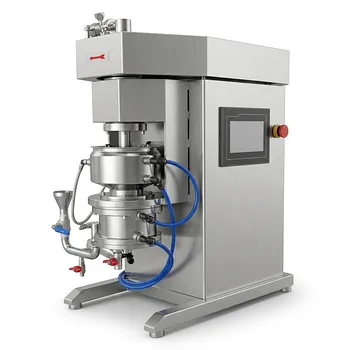
Small Ceramic Structure Laboratory Sand Mill Nanoscale Grinding Dispersion Equipment Seal-less Screen-less Design
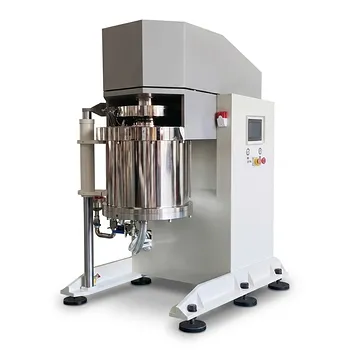
Vertical Nano Bead Mill for Ceramic Materials with Permanent Magnet Motor and High Efficiency Grinding
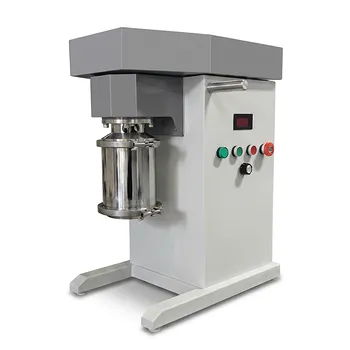
Nano Laboratory Bead Mill Desktop Sub Micron Sand Mill Screenless Seal Less Powder Grinder
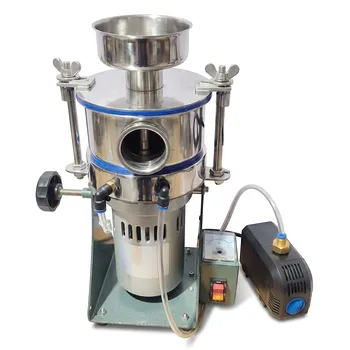
Water Cooled Airflow Ultra Fine Grinder for Low Temperature Material Processing
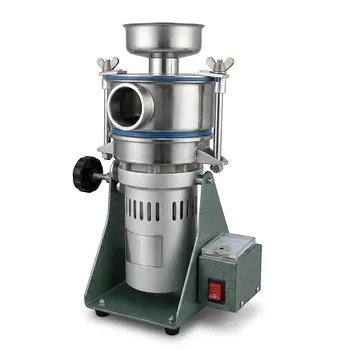
Small Airflow Ultra-Fine Grinder for Laboratory Sample Preparation
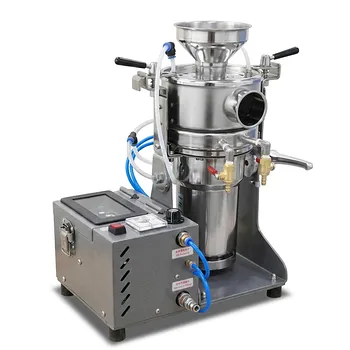
Water Cooled Pulse Jet Ultrafine Grinder
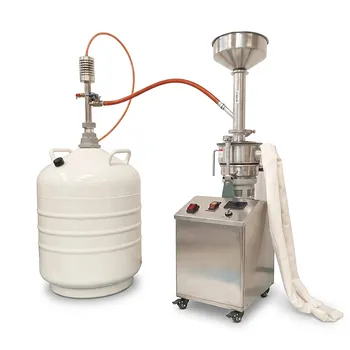
Laboratory Liquid Nitrogen Cryogenic Grinder for Polymer and Elastomer Materials
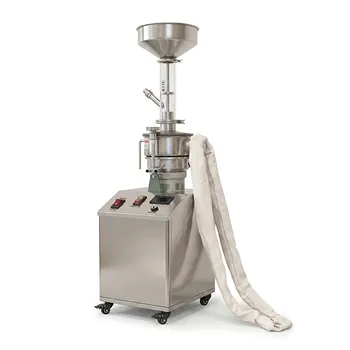
Small Liquid Nitrogen Cryogenic Grinder for Plastic and Heat-Sensitive Material Sample Preparation
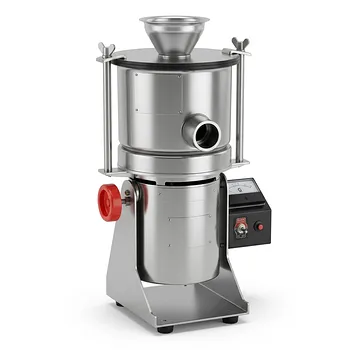
Laboratory Ultrafine Impact and Airflow Grinder for Precise Particle Size Control
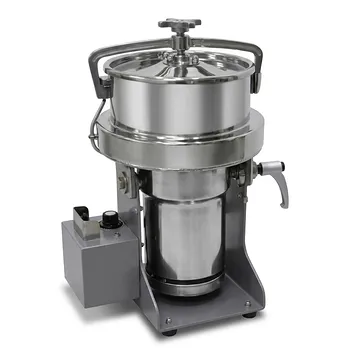
500g Capacity Water Cooled Low Temperature Grinder with Variable Speed and Safety Cover
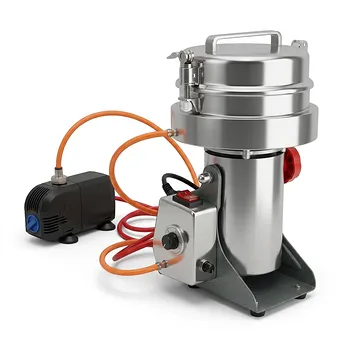
Water Cooled High Speed Grinder with Cryogenic Option for Laboratory Sample Preparation
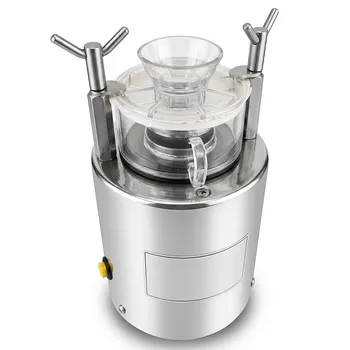
Laboratory Desktop Ultra Fine Powder Grinder High Speed Micronizing Pulverizer
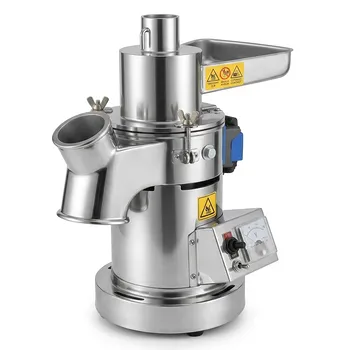
Continuous Feeding Grinder High Efficiency Pulverizer for Lab Sample Preparation
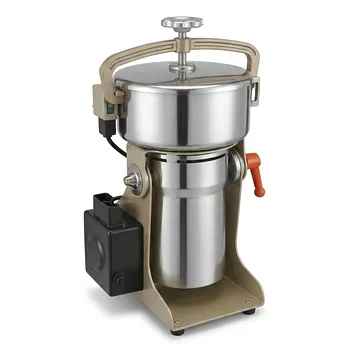
Multifunctional High Efficiency High Speed Laboratory Grinder
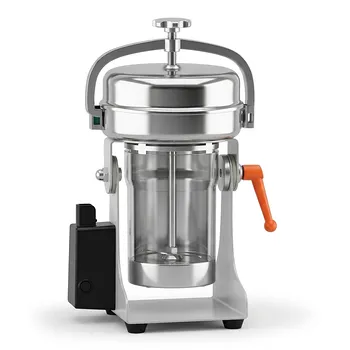
High Efficiency High Speed Grinder 2200W 25000 RPM Laboratory Sample Preparation
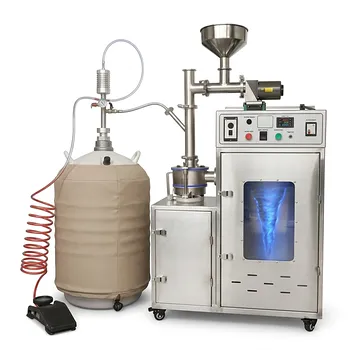
Small Liquid Nitrogen Cryogenic Grinder for Ultrafine Grinding of Heat-Sensitive Materials in Laboratories
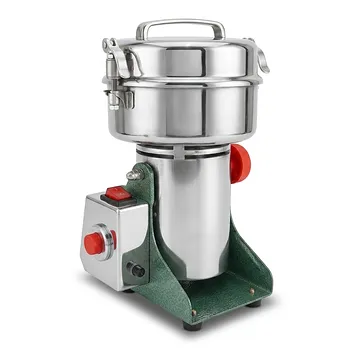
Small High-Speed Laboratory Grinder for Powder Processing
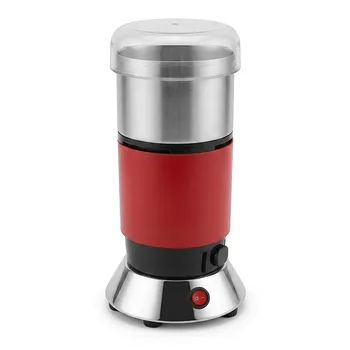
Micro Solid Sample Grinder High Speed Pulverizer for Laboratory Small Batch Grinding
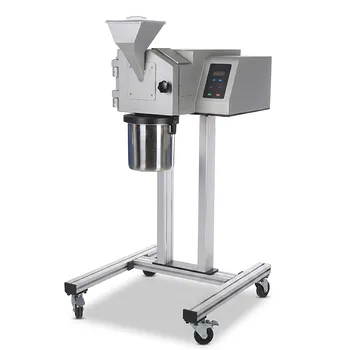
Cross Beater Mill for Brittle Material Grinding and Continuous Fine Crushing Industrial Sample Preparation