How is laboratory milling equipment used in SEM characterization of ZrC–SiC? Expert Sample Preparation Guide
Updated 5 months ago
Laboratory milling equipment transforms bulk ZrC–SiC ceramic materials into uniform powders to expose their internal microstructure for accurate analysis. This mechanical refining process is essential for preparing samples that SEM can interpret via backscattered electron signals. By reducing the material to a fine powder, the equipment ensures that the zirconium-rich and silicon carbide phases are clearly distinguishable and statistically representative of the entire batch.
High-precision milling serves as the critical bridge between synthesized ceramic blocks and accurate SEM characterization, providing the necessary cross-sectional exposure to evaluate phase distribution and embedding states objectively.
Refining Hardened Ceramics for Microscopic Analysis
Overcoming Material Hardness and Brittleness
Silicon carbide (SiC) ceramics become extremely hard and brittle following high-temperature heat treatment. Laboratory milling equipment uses intensive mechanical force to break down these resilient blocks into fine particles that are manageable for electron microscopy.
Achieving Morphological Uniformity
Milling refines coarse particles into a uniform powder state, which is necessary for consistent sample mounting. This uniformity ensures that the electron beam interacts with a standardized surface area, reducing variables that could skew the characterization results.
Enhancing SEM Signal Contrast and Interpretation
Exposing Internal Cross-Sections
The primary role of milling is to expose the internal cross-sections of the ceramic material. By fracturing the particles, the equipment reveals the inner arrangement of the ZrC and SiC phases that would otherwise be hidden within the bulk material.
Facilitating Backscattered Electron (BSE) Imaging
This exposure allows SEM to utilize backscattered electron (BSE) signals to differentiate between materials. Because zirconium has a higher atomic number than silicon, the zirconium-rich phases appear as high-brightness areas, while the silicon carbide matrix remains darker.
Ensuring Statistical Validity in Research
Securing Representative Sampling
Milling a larger ceramic block into a fine powder ensures that the SEM image captures a representative statistical distribution. This prevents the "cherry-picking" of data and provides a more honest view of the material's overall composition.
Evaluating the ZrC Embedding State
The process allows researchers to perform an objective evaluation of how ZrC particles are embedded within the SiC matrix. This is particularly vital for ceramics produced via the precursor route, where the homogeneity of the embedding state dictates the material's final performance.
Understanding the Trade-offs and Pitfalls
Mechanical Stress and Structural Integrity
While milling is necessary, the intensive mechanical force required for SiC can occasionally introduce micro-cracks or lattice distortions. Researchers must balance the need for fineness with the risk of altering the material's natural microscopic morphology.
Potential for Sample Contamination
High-energy milling can lead to media wear, where small amounts of the grinding balls or container mix with the ZrC–SiC powder. Selecting chemically compatible or ultra-hard milling media is essential to avoid introducing "ghost phases" into the SEM analysis.
How to Apply This to Your Characterization Workflow
To get the most accurate SEM results from your ZrC–SiC ceramic powders, consider your primary analytical goal:
- If your primary focus is phase identification: Use high-energy milling to ensure clean cross-sectional fractures, which maximize the brightness contrast between Zr-rich and SiC phases under BSE mode.
- If your primary focus is micro-morphology: Utilize high-precision mechanical grinding to thin the samples, ensuring the particles are fine enough for high-resolution imaging without destroying the underlying grain structure.
Precise sample preparation through milling is the only way to transform a rugged ceramic composite into a clear, quantifiable map of its own molecular architecture.
Summary Table:
| Preparation Step | Function in SEM Characterization | Key Benefit for ZrC–SiC Analysis |
|---|---|---|
| Mechanical Refining | Breaks down hard, brittle bulk ceramic | Exposes internal cross-sections and microstructure |
| Particle Uniformity | Creates a standardized powder state | Ensures consistent electron beam interaction |
| Phase Exposure | Highlights atomic number differences | Facilitates high-contrast BSE imaging (ZrC vs. SiC) |
| Representative Sampling | Homogenizes the entire material batch | Ensures statistically valid results and objective evaluation |
Elevate Your Material Characterization with Professional Sample Prep
Achieving accurate SEM results for ultra-hard ceramics like ZrC–SiC requires high-precision equipment that balances fineness with structural integrity. We provide complete laboratory sample preparation solutions for material science, specializing in the entire powder processing and compaction workflow.
Our extensive product lines are designed to handle the most demanding materials:
- Refining & Grinding: High-energy planetary ball mills, jet mills, disc mills, and liquid nitrogen cryogenic grinders for contamination-free results.
- Sizing & Mixing: Sieve shakers (vibratory/air-jet) and advanced powder/defoaming mixers.
- Compaction: A full spectrum of hydraulic presses, including Cold/Warm Isostatic Presses (CIP/WIP), vacuum hot presses, and XRF pellet presses.
Whether you are identifying phases or evaluating embedding states, our equipment ensures your samples are perfectly prepared for discovery. Contact us today to optimize your laboratory workflow!
References
- Fabien Bouzat, Florence Babonneau. Formation of ZrC–SiC Composites from the Molecular Scale through the Synthesis of Multielement Polymers. DOI: 10.3390/ma14143901
Mentioned Products
- Laboratory Disc Mill for Fine Sample Preparation of Hard and Brittle Materials
- Laboratory Desktop Ultra Fine Powder Grinder High Speed Micronizing Pulverizer
- 360° Rotating Omnidirectional Laboratory Planetary Ball Mill for Homogeneous Ultra-Fine Grinding and Mixing
- Vibratory Superfine Grinder for Ultra Fine Laboratory Powder Milling
- Nano Laboratory Bead Mill Desktop Sub Micron Sand Mill Screenless Seal Less Powder Grinder
People Also Ask
- What is the primary function of a laboratory disc mill for oyster shells? Boost Reactivity & Analytical Precision
- What is the purpose of using a laboratory mill to grind dried precipitates? Optimize TiO2/AuNRs Catalyst Homogeneity
- What role does a laboratory mill play in the study of lignite coal co-combustion? Optimizing Fuel Blends and Reactivity
- What is the function of a laboratory mill in Cassia tora L. seed analysis? Master Precision Thermal Data Prep.
- What function does a laboratory mill serve in corn starch saccharification experiments? Optimize Surface Area & Reactions

Tech Team · PowderPreparation
Last updated on May 14, 2026
Related Products
Laboratory Disc Mill for Fine Sample Preparation of Hard and Brittle Materials
Laboratory Desktop Ultra Fine Powder Grinder High Speed Micronizing Pulverizer
360° Rotating Omnidirectional Laboratory Planetary Ball Mill for Homogeneous Ultra-Fine Grinding and Mixing
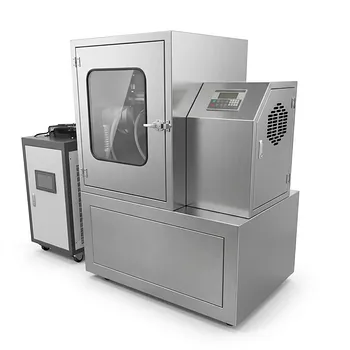
Vibratory Superfine Grinder for Ultra Fine Laboratory Powder Milling
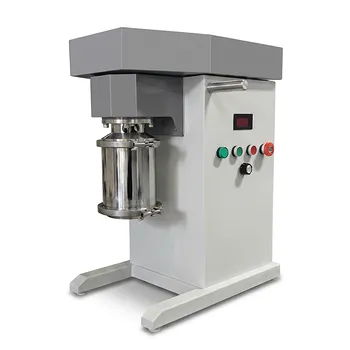
Nano Laboratory Bead Mill Desktop Sub Micron Sand Mill Screenless Seal Less Powder Grinder
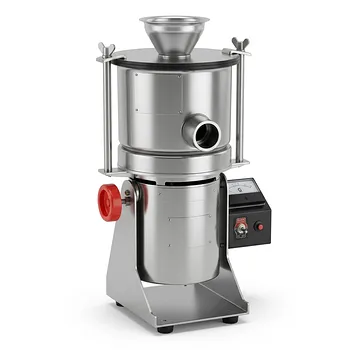
Laboratory Ultrafine Impact and Airflow Grinder for Precise Particle Size Control
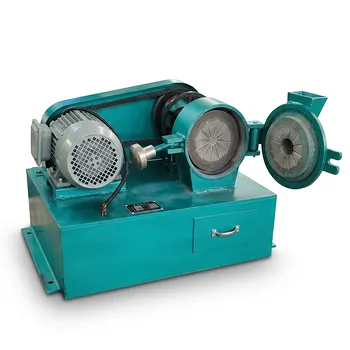
Laboratory Disc Mill Medium Hard Material Grinding Coal Coke Ore Pulverizer
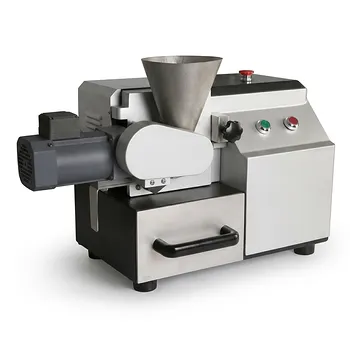
Laboratory Hammer Mill for Coal Quality Analysis and Brittle Mineral Grinding
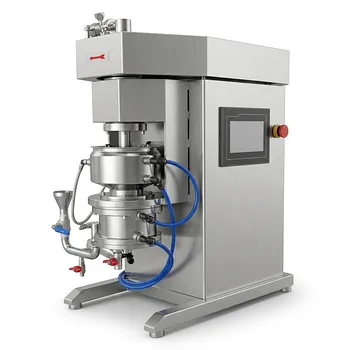
Small Ceramic Structure Laboratory Sand Mill Nanoscale Grinding Dispersion Equipment Seal-less Screen-less Design
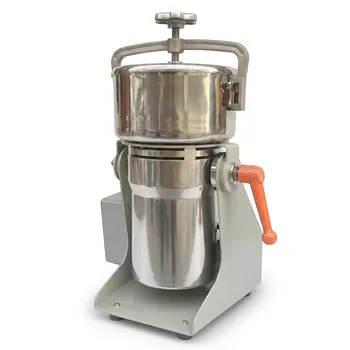
High Speed Laboratory Grinder Efficient Stainless Steel Powder Pulverizer Universal Material Science Mill for Sample Preparation
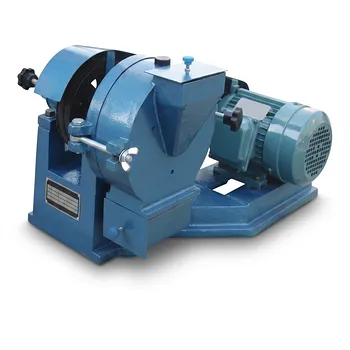
Laboratory Disc Mill for Ore and Mineral Sample Preparation
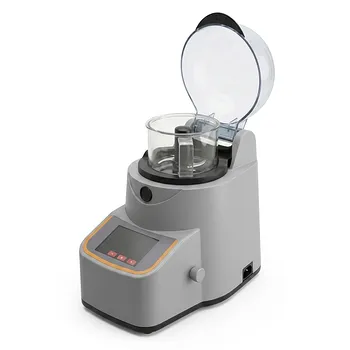
Industrial Knife Mill for Food and Biological Sample Preparation High Speed Laboratory Homogenizer
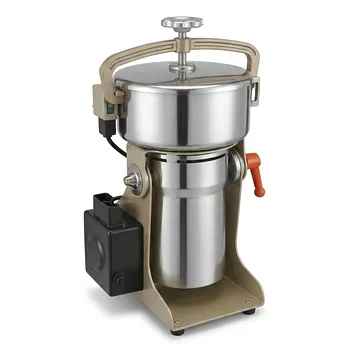
Multifunctional High Efficiency High Speed Laboratory Grinder
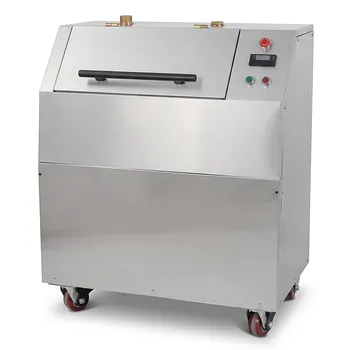
Vibratory Disc Mill for Rapid Fine Grinding and High Throughput Sample Preparation of Hard and Brittle Materials

Small High Speed Grinder for Laboratory Sample Preparation
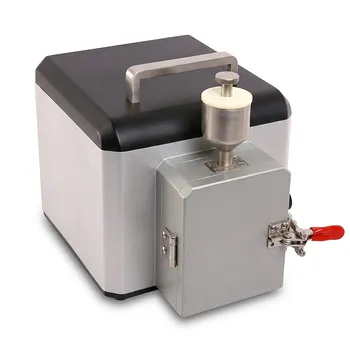
Portable Cutting Mill for Laboratory Sample Preparation and RoHS WEEE Compliance Testing
8L Planetary Ball Mill for Laboratory Grinding and Sample Preparation
High Speed Laboratory Powder Grinder Small Batch Sample Preparation Mill
Horizontal Light Duty Planetary Ball Mill for Laboratory Sample Preparation