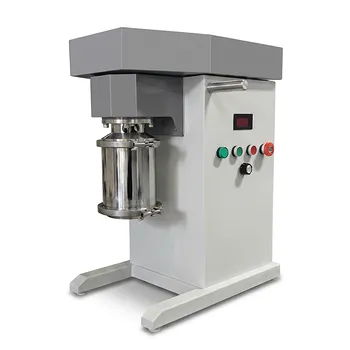
How does MACR outperform vacuum hot pressing for UHTC synthesis? Discover Efficient Powder Processing.
Updated 3 months ago
Microwave-assisted carbothermal reduction (MACR) transforms UHTC synthesis by replacing extreme mechanical force with molecular-level energy coupling. This method enables the rapid, uniform production of ceramic powders like borides and carbides without the high-tonnage hydraulic systems required by traditional vacuum hot pressing. By utilizing volumetric heating, MACR achieves efficient synthesis under significantly lower process conditions and energy demands.
While vacuum hot pressing remains the standard for achieving near-theoretical density in bulk ceramic parts, microwave-assisted carbothermal reduction offers a more efficient, scalable, and energy-conscious pathway for synthesizing high-purity UHTC powders by bypassing the need for extreme mechanical pressure.
The Physics of Volumetric vs. Surface Heating
Molecular Coupling in Microwave Equipment
MACR equipment utilizes molecular-level coupling between microwaves and the reactants. Unlike traditional methods that rely on external heat sources, the microwave energy is absorbed directly by the material, turning the reactants themselves into the heat source.
Achieving Volumetric Uniformity
Because energy is absorbed throughout the entire volume of the material simultaneously, MACR achieves volumetric and rapid heating. This eliminates the thermal gradients often found in traditional furnaces, where the core of a sample may lag significantly behind the surface temperature.
Efficiency in Powder Synthesis
The direct nature of microwave heating allows for the efficient synthesis of ceramic powders, such as borides and carbides. This process occurs more rapidly than traditional methods because the energy is delivered precisely to the reaction sites at the molecular scale.
Process Efficiency and Infrastructure Demands
Reducing Dependency on High Tonnage
Traditional vacuum hot pressing requires high-tonnage hydraulic systems to apply tens of tons of axial pressure. MACR equipment removes this mechanical dependency, allowing for the creation of UHTC precursors without massive, complex pressing infrastructure.
Lowering Process Conditions
MACR enables the synthesis of UHTCs under relatively lower process conditions. By optimizing the chemical reduction pathway via microwave energy, manufacturers can avoid the extreme environmental rigors necessitated by thermo-mechanical sintering.
Energy Consumption and Complexity
Vacuum hot pressing is characterized by high energy consumption and complex process controls to synchronize temperature and pressure. Microwave systems offer a more streamlined alternative for the synthesis phase, focusing energy solely on the chemical transformation rather than maintaining a high-pressure environment.
Understanding the Trade-offs
The Necessity of Mechanical Pressure for Density
It is critical to note that while MACR excels at powder synthesis, vacuum hot pressing is often superior for final densification. The simultaneous application of heat and axial pressure is what allows materials like SiC and ZrB2 to reach 99.5% of their theoretical density.
Controlling Grain Growth
Hot pressing equipment is specifically designed to inhibit grain growth through thermo-mechanical coupling. By applying pressure, the equipment accelerates diffusion at lower temperatures, resulting in the fine-grained microstructures necessary for high-strength armor and structural ceramics.
Synthesis vs. Consolidation
The primary advantage of MACR is in the synthesis phase (creating the powder), whereas vacuum hot pressing is an advanced sintering technology (creating the solid part). Using MACR to produce high-quality starting powders can potentially improve the efficiency of the subsequent hot-pressing stages.
Making the Right Choice for Your Goal
When deciding between these technologies, your choice depends on whether your priority is the chemical creation of the material or the mechanical integrity of the final component.
- If your primary focus is high-purity powder production: MACR is the superior choice because it offers rapid, volumetric heating and reduces the need for heavy mechanical infrastructure.
- If your primary focus is achieving near-zero porosity in bulk parts: Vacuum hot pressing is essential, as the axial pressure provides the necessary driving force for densification and grain size control.
- If your primary focus is reducing operational energy costs: MACR offers a more efficient energy profile by coupling microwave energy directly to the reactants rather than heating the entire furnace chamber and hydraulic system.
Selecting the appropriate equipment requires balancing the need for rapid chemical synthesis with the requirement for high-density, structural consolidation.
Summary Table:
| Feature | Microwave-Assisted Carbothermal Reduction (MACR) | Vacuum Hot Pressing (VHP) |
|---|---|---|
| Primary Goal | Efficient Synthesis of UHTC Powders | Consolidation of Bulk Ceramic Parts |
| Heating Mechanism | Volumetric / Molecular Coupling | Radiant / Surface Heating |
| Pressure Requirement | Low (Chemical Focus) | High Tonnage (Axial Pressure) |
| Material Density | Powder Form | Near-Theoretical (>99.5%) |
| Energy Profile | High Efficiency; Rapid Process | High Consumption; Complex Control |
Elevate Your UHTC Research with Precision Engineering
Whether your project requires the rapid chemical synthesis of high-purity powders or the mechanical consolidation of high-density ceramic parts, we provide the complete laboratory sample preparation solutions you need.
Our specialized equipment lineup includes:
- Thermal Processing: Advanced vacuum hot presses, Hot Presses, and Cold/Warm Isostatic Presses (CIP/WIP).
- Powder Preparation: Planetary ball mills, jet mills, and high-energy crushers (jaw/roll).
- Finishing & Mixing: Sieve shakers, powder mixers, and defoaming mixers.
Optimizing material science workflows requires the right balance of temperature, pressure, and energy efficiency. Contact our technical experts today to find the ideal equipment for your laboratory and enhance your production capabilities.
References
- J. C. Ince, Nisa V. Salim. Overview of emerging hybrid and composite materials for space applications. DOI: 10.1007/s42114-023-00678-5
Mentioned Products
- Laboratory Benchtop Jaw Crusher for Hard Brittle Materials Primary Size Reduction and Sample Preparation
- Heavy Duty Industrial Laboratory Jaw Crusher for Primary Sample Preparation and Hard Material Size Reduction
- 150x250mm Laboratory Jaw Crusher for Medium Hard Material Crushing and Sample Preparation
- Versatile Industrial Crusher for Laboratory Crushing and Material Processing
- Heavy-Duty Crusher for Laboratory and Industrial Material Size Reduction
People Also Ask
- What is the primary role of a laboratory jaw crusher in the initial stages of tin and tantalum ore reprocessing? Explained
- What is the primary function of a laboratory jaw crusher? Master Initial Hard Rock Ore Preparation & Feed Sizing
- What is the role of a laboratory jaw crusher in the initial preparation of silicate-type low-grade copper ore?
- What is the primary function of a laboratory jaw crusher when processing low-grade copper ore? Expert Guide
- What is the primary function of a laboratory jaw crusher in the pretreatment process of galena ore? Initial Prep Guide

Tech Team · PowderPreparation
Last updated on May 14, 2026
Related Products
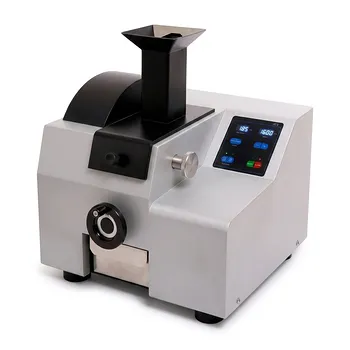
Laboratory Benchtop Jaw Crusher for Hard Brittle Materials Primary Size Reduction and Sample Preparation
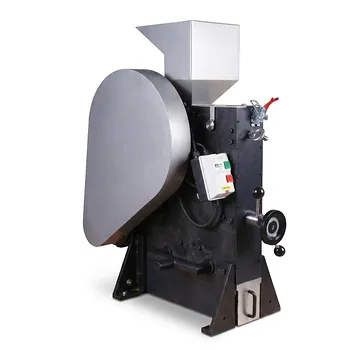
Heavy Duty Industrial Laboratory Jaw Crusher for Primary Sample Preparation and Hard Material Size Reduction
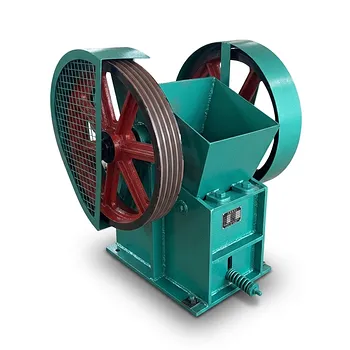
150x250mm Laboratory Jaw Crusher for Medium Hard Material Crushing and Sample Preparation
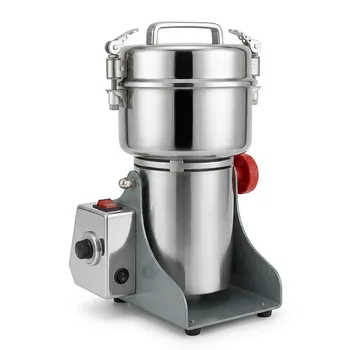
Versatile Industrial Crusher for Laboratory Crushing and Material Processing
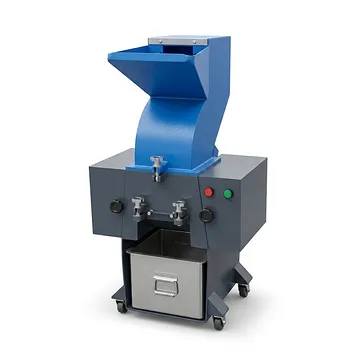
Heavy-Duty Crusher for Laboratory and Industrial Material Size Reduction
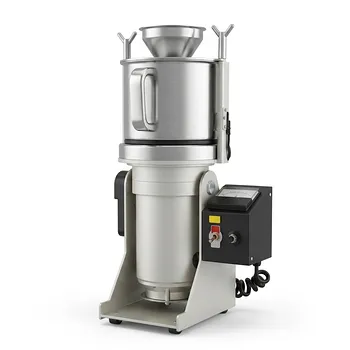
Water Cooled Pulse Jet Ultra Fine Pulverizer for Continuous Grinding
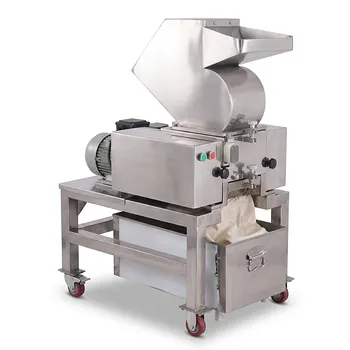
Stainless Steel Coarse Crusher for Pharmaceutical Food and Plastic Material Processing
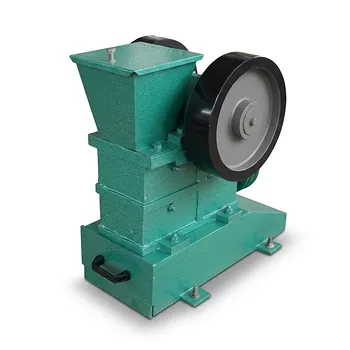
Laboratory Small Jaw Crusher 100x60mm
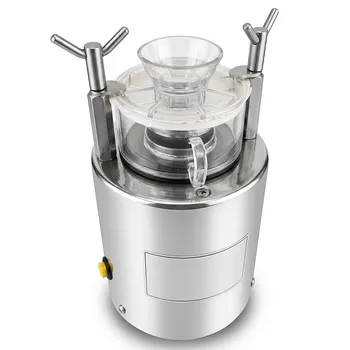
Laboratory Desktop Ultra Fine Powder Grinder High Speed Micronizing Pulverizer