How does mechanical wet mixing equipment ensure cement paste consistency? Achieve Repeatable Lab Results
Updated 4 months ago
Mechanical wet mixing equipment ensures the consistency of cement paste specimens by utilizing standardized rotation speeds and precise mixing durations to achieve a uniform dispersion of particles. By adhering to protocols like ASTM C305, these mixers eliminate material agglomerates and ensure that chemical admixtures are distributed evenly throughout the slurry. This controlled process creates a stable, repeatable microstructure that is essential for accurate rheological and performance evaluations.
The core value of mechanical wet mixing lies in its ability to replace human variability with standardized kinetic energy. This ensures that every specimen possesses the same chemical distribution and physical structure, making experimental results truly representative.
The Impact of Standardized Parameters
Adherence to ASTM C305 Standards
Mechanical mixers provide a constant stirring rate that manual mixing cannot replicate. By following specific speed stages—often categorized as low and high speeds—the equipment ensures that the energy input remains identical across different batches.
This standardization is the foundation of reproducibility in cement science. It allows researchers to compare results across different laboratories with confidence that the mixing method is not a variable.
Elimination of Particle Agglomerates
Cementitious materials naturally tend to clump or form agglomerates when they first contact water. Mechanical mixers provide the shear force necessary to break these clusters apart, ensuring every cement grain is wetted.
Without this high-energy dispersion, the resulting paste would contain "dry spots" or uneven hydration zones. This would lead to localized weaknesses and inconsistent strength data in the final specimen.
Ensuring Chemical and Microstructural Uniformity
Distribution of Chemical Admixtures
Modern cement pastes often rely on superplasticizers and other chemical additives to achieve specific properties. Mechanical mixing ensures these chemicals are distributed homogeneously at a microscopic level.
Uniform distribution prevents "slugs" of chemicals from affecting only one part of the specimen. This results in a stable rheological profile, allowing for accurate measurements of viscosity and flow.
Prevention of Localized Concentrations
In specialized applications, such as the stabilization of pollutants like zinc sulfate, mechanical mixing is critical. It ensures that ions come into full contact with the cement and glass powders rather than pooling in one area.
Preventing localized high concentrations is vital because certain pollutants can severely delay hydration. A consistent mix ensures that the stabilization process is uniform throughout the entire volume of the specimen.
Understanding the Trade-offs
Heat Generation and Temperature Rise
High-shear mechanical mixing introduces kinetic energy that can cause a noticeable temperature increase in the paste. This internal heat can accelerate the initial hydration rate, potentially skewing results if the mixing time is too long.
Equipment Maintenance and Wear
The gap between the mixing paddle and the bowl is a critical variable for consistency. Over time, abrasive cement particles can wear down these components, altering the shear patterns and reducing the effectiveness of the mix.
How to Apply This to Your Project
Optimizing Your Mixing Protocol
Achieving the best results requires matching your equipment settings to your specific experimental goals. Consistent maintenance and calibration are as important as the mixing process itself.
- If your primary focus is Standardized Performance Testing: Use an ASTM C305-compliant mixer at the specified planetary speeds to ensure your data is comparable to global benchmarks.
- If your primary focus is Chemical Stabilization/Pollutants: Prioritize mixers that offer high-dispersion capabilities to ensure that additives like zinc ions are fully integrated without localized concentration.
- If your primary focus is Rheological Characterization: Closely monitor and control the temperature of the mixing bowl to prevent friction-induced heat from altering the fluid properties of the paste.
By leveraging the precision of mechanical wet mixing, you transform cement preparation from an art into a repeatable, scientific process.
Summary Table:
| Feature | Impact on Consistency | Key Mechanism |
|---|---|---|
| Standardized Speed | Ensures repeatability & ASTM compliance | Constant kinetic energy input |
| High Shear Force | Eliminates particle agglomerates | Breaks clusters for full wetting |
| Homogeneous Mixing | Uniform chemical distribution | Even dispersion of superplasticizers |
| Controlled Duration | Stable microstructural formation | Prevention of localized concentrations |
Elevate Your Material Research with Precision Engineering
Achieving scientific consistency starts with superior sample preparation. We provide complete laboratory sample preparation solutions tailored for material science, specializing in advanced powder processing and compaction equipment.
Whether you need to ensure the perfect dispersion in cementitious pastes or prepare advanced ceramics, our extensive product line has you covered:
- Mixing & Dispersion: High-performance powder mixers and defoaming mixers for chemical uniformity.
- Milling & Grinding: Planetary ball mills, jet mills, and liquid nitrogen cryogenic grinders.
- Size Analysis: Vibratory and air-jet sieve shakers with precision test sieves.
- Compaction & Pressing: A full spectrum of hydraulic presses, including Cold/Warm Isostatic Presses (CIP/WIP), vacuum hot presses, and XRF pellet presses.
Ready to transform your preparation process from an art into a repeatable science? Contact our experts today to find the ideal equipment for your laboratory's specific needs.
References
- Munib Ul Rehman, Will P. Gates. Differences in hydration kinetics and phase development of Australian bentonite and kaolinite based limestone calcined clay cements. DOI: 10.1617/s11527-025-02743-5
Mentioned Products
- High Speed Vacuum Planetary Centrifugal Mixer and Defoamer for Industrial Paste Processing
- Horizontal Trough Mixer for Uniform Powder and Paste Blending
- Industrial Planetary Centrifugal Vacuum Defoaming Mixer for High Viscosity Paste and Advanced Material Science
- Industrial Planetary Centrifugal Vacuum Defoaming Mixer for High Viscosity Paste and Powder Homogenization
- Horizontal Ribbon Mixer for Dry Powder and Slurry Blending
People Also Ask
- Why increase revolution radius for high-viscosity materials? Optimize Mixing Performance with Centrifugal Acceleration
- What is the function of a planetary centrifugal mixer in electrode slurry prep? Achieve high-energy, uniform dispersion.
- Why is a planetary centrifugal mixer utilized for wood powder and HPMC? Achieve uniform dispersion & rapid defoaming.
- How does a planetary centrifugal mixer contribute to the preparation of magnetic polymer composites? Expert Guide
- How does a planetary centrifugal mixer address key challenges in Tyr-CDs@EVA optical films? Ensure Optical Clarity.

Tech Team · PowderPreparation
Last updated on Jun 03, 2026
Related Products
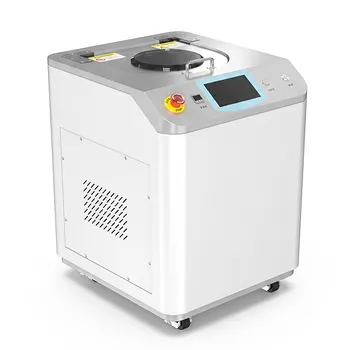
High Speed Vacuum Planetary Centrifugal Mixer and Defoamer for Industrial Paste Processing
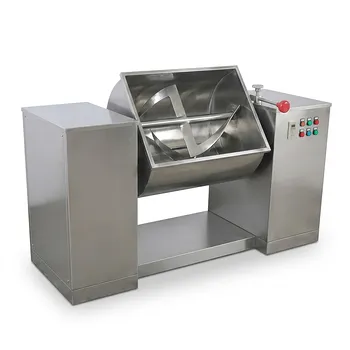
Horizontal Trough Mixer for Uniform Powder and Paste Blending
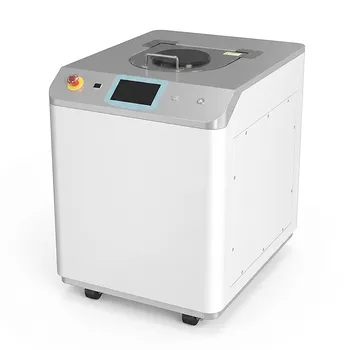
Industrial Planetary Centrifugal Vacuum Defoaming Mixer for High Viscosity Paste and Advanced Material Science
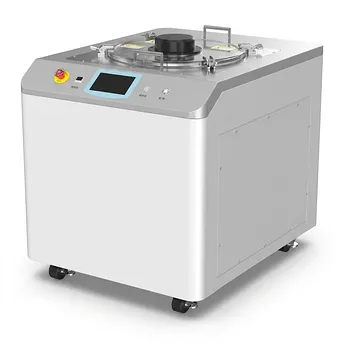
Industrial Planetary Centrifugal Vacuum Defoaming Mixer for High Viscosity Paste and Powder Homogenization
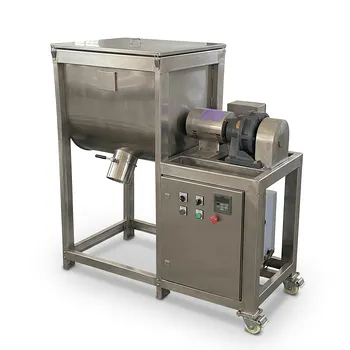
Horizontal Ribbon Mixer for Dry Powder and Slurry Blending
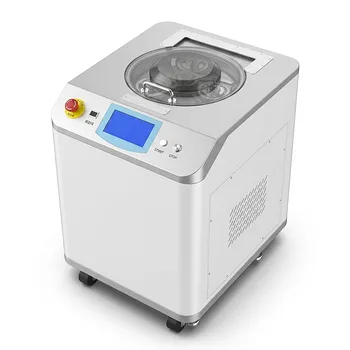
Dual Cup Vacuum Centrifugal Mixer Planetary Paste Defoaming Machine Industrial Material Processor
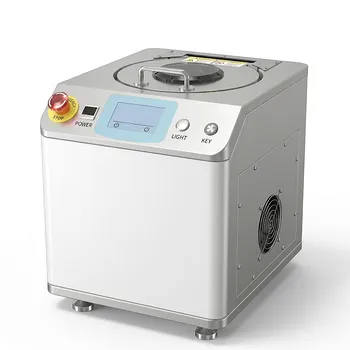
High Efficiency Vacuum Planetary Centrifugal Mixer and Defoaming Machine for Industrial Material Research and Precise Laboratory Powder Dispersion
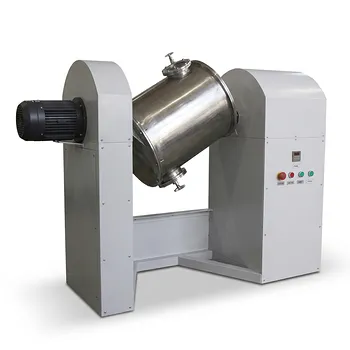
Inclined Mixer for Homogeneous Powder Blending and Grinding
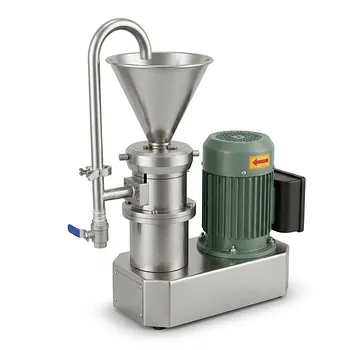
Small Laboratory Colloid Mill for Ultra-Fine Wet Grinding and Emulsification
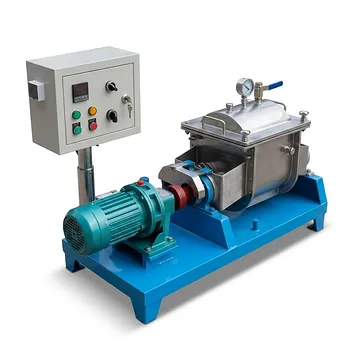
Industrial Vacuum Kneader for High-Viscosity Silicone, Rubber, and Compound Mixing
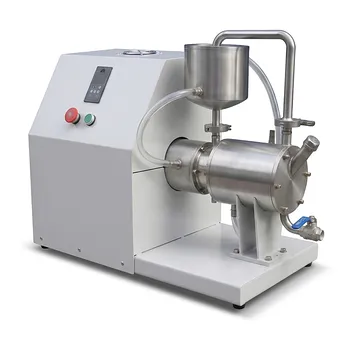
Laboratory Small Horizontal Sand Mill for Nano Materials Wet Grinding
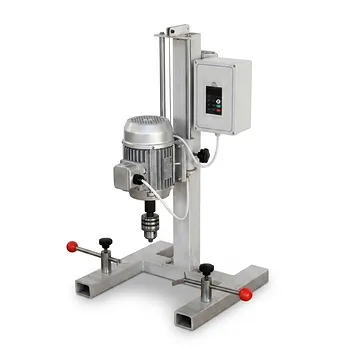
Laboratory Disperser and Sand Mill for Grinding Dispersing Emulsifying
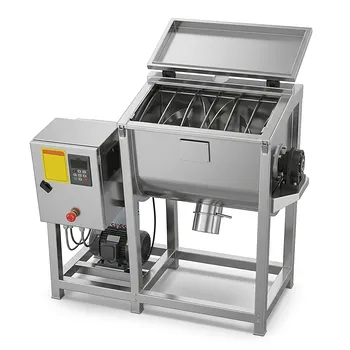
Horizontal Ribbon Mixer for Uniform Powder and Slurry Mixing
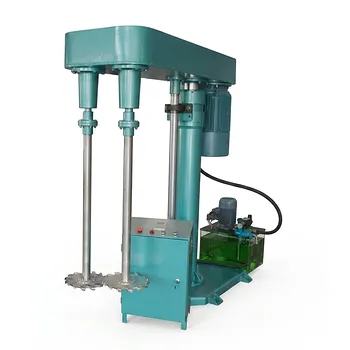
Hydraulic Double Shaft Disperser for High Viscosity Liquid Mixing and Dispersion
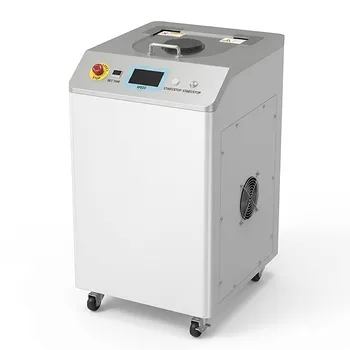
High Viscosity Planetary Centrifugal Vacuum Mixer for Material Defoaming and Uniform Mixing
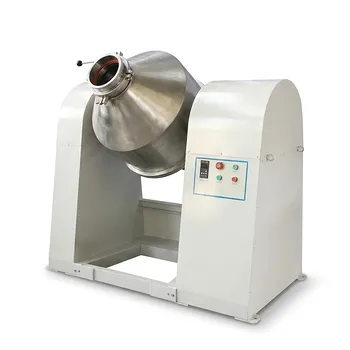
Industrial Double Cone Mixer for Powder Blending and Homogeneous Mixing
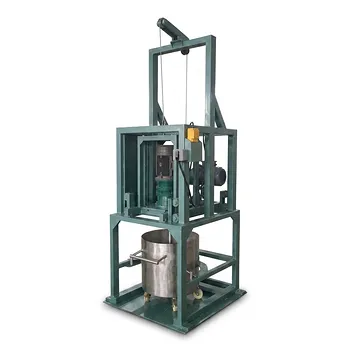
High-Speed Simple Disperser for Efficient Mixing, Dispersion, and Emulsification
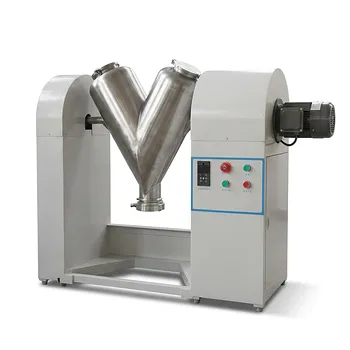
V-Type Powder Mixer for Uniform Blending of Dry Powders and Granules
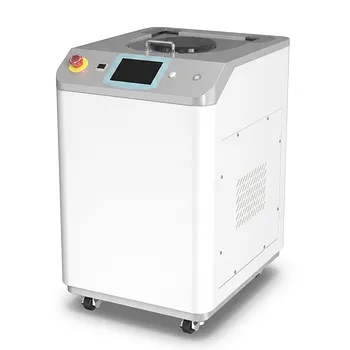
High Viscosity Planetary Centrifugal Mixing and Vacuum Defoaming Machine for Laboratory Material Preparation