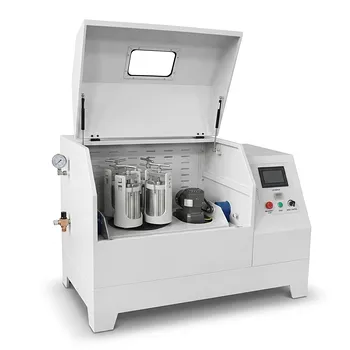
How does high-precision powder mixing equipment impact electrode slurries for 3D printed nano-lithium batteries? Key Guide
Updated 5 months ago
High-precision powder mixing equipment is the critical link between raw material potential and functional 3D printed battery performance. By ensuring the absolute homogeneity of active materials, conductive agents, and binders, this equipment dictates the rheological stability required for additive manufacturing. Without this precise control, the resulting electrode slurries suffer from inconsistent flow, structural defects, and poor electrochemical connectivity.
High-precision mixing transforms inconsistent raw materials into a stable, conductive "ink" by eliminating micro-bubbles and preventing nanoparticle agglomeration. This process is the foundation for achieving the uniform charge transfer and structural integrity necessary for ultra-thin 3D printed lithium batteries.
Engineering Slurry Homogeneity for Additive Manufacturing
Achieving Precise Rheological Properties
In 3D printing, the viscosity and flow behavior of the slurry must be perfectly consistent to ensure successful extrusion or deposition. High-precision mixers provide the exact shear forces needed to distribute polymer binders evenly, creating a predictable fluid that maintains its shape once printed.
The Critical Role of Vacuum Defoaming
Micro-bubbles trapped within a slurry act as structural "weak points" and can lead to voids in the final 3D printed electrode. Vacuum defoaming mixers eliminate these gas pockets during the mixing phase, ensuring a dense, high-integrity material that supports long-term cycle life.
Ensuring Chemical Uniformity
Nano-lithium batteries require a perfect ratio of active materials to binders across the entire printed structure. Advanced equipment ensures that even trace amounts of additives are dispersed thoroughly, preventing performance "dead zones" within the battery cell.
Optimizing the Internal Conductive Network
Preventing Secondary Agglomeration
Nano-scale materials, such as graphene nanosheets and carbon black, have a natural tendency to clump together due to high surface energy. High-energy dispersion equipment uses intense shear forces to break these clusters, ensuring the materials remain separated and functional.
Establishing a Continuous Electronic Pathway
By preventing clumping, high-precision mixing allows conductive additives to form a uniform, continuous network throughout the electrode. This network is essential for efficient electron transport, directly impacting the battery’s ability to handle high-rate charging and discharging.
Maximizing Specific Surface Area
Thorough mixing ensures that active material particles are fully integrated with the conductive network rather than being isolated. This maximizes the effective surface area available for electrochemical reactions, which significantly improves the battery's overall energy density and rate performance.
Understanding the Trade-offs and Limitations
Balancing Shear Force and Material Integrity
While high shear is necessary to disperse nanoparticles, excessive force can physically damage delicate structures like graphene sheets or break down polymer binder chains. Engineers must carefully calibrate mixing intensity to achieve dispersion without degrading the material's inherent properties.
Heat Generation and Solvent Stability
The mechanical energy required for high-precision mixing generates significant internal heat. If not managed via cooling systems, this heat can cause premature solvent evaporation or alter the chemical stability of the slurry, leading to inconsistent printing results.
Scaling from Lab to Production
What works in a small-scale laboratory stirrer may not translate directly to large-scale production mixers. Maintaining the same shear-to-volume ratio is a complex engineering challenge that can lead to variations in slurry quality as production volumes increase.
Making the Right Choice for Your Goal
When selecting or configuring mixing equipment for 3D printed battery production, your technical priorities should dictate the setup:
- If your primary focus is high-rate discharge performance: Prioritize high-energy dispersion equipment to ensure a flawless, continuous graphene conductive network.
- If your primary focus is structural precision and thin-film printing: Focus on vacuum-integrated mixing systems to eliminate micro-bubbles and stabilize slurry rheology.
- If your primary focus is research repeatability and consistency: Invest in high-precision laboratory stirring equipment with digital controls for constant rotation speeds and recorded shear data.
The ultimate quality of a 3D printed nano-lithium battery is determined not just by its chemistry, but by the physical uniformity achieved during the initial mixing phase.
Summary Table:
| Key Impact Area | Benefit for 3D Printing | Technical Solution |
|---|---|---|
| Rheological Stability | Ensures consistent extrusion & shape retention | Precise shear force control |
| Structural Density | Eliminates voids & structural weak points | Integrated vacuum defoaming |
| Conductive Network | Enables high-rate charging & electron flow | High-energy nano-dispersion |
| Chemical Uniformity | Prevents performance "dead zones" | Homogeneous additive distribution |
| Material Integrity | Preserves graphene & polymer structures | Calibrated mixing intensity |
Elevate Your Material Research with Precision Engineering
Achieving the perfect electrode slurry is the first step toward high-performance energy storage. At Our Laboratory Solutions, we provide complete sample preparation equipment tailored for material science and advanced battery research.
Whether you are developing next-generation 3D printed batteries or exploring novel nano-materials, our extensive product line supports your entire workflow:
- Advanced Mixing: Vacuum defoaming mixers, powder mixers, and high-energy mills (planetary ball, jet, and rotor mills) for flawless dispersion.
- Material Processing: Specialized crushers (jaw/roll) and liquid nitrogen cryogenic grinders for heat-sensitive samples.
- Precision Compaction: A full spectrum of hydraulic presses, including Cold/Warm Isostatic Presses (CIP/WIP), hot presses, and XRF pellet presses.
- Analysis Readiness: Vibratory and air-jet sieve shakers for precise particle size control.
Ready to optimize your slurry consistency and battery performance? Contact our technical experts today to find the ideal solution for your laboratory or production line.
References
- Antonio Adrián Arciénaga Morales, Britta Thomsen. Some insights into nanotechnology innovation processes and patterns for advanced materials. DOI: 10.22201/fca.24488410e.2019.1805
Mentioned Products
- High Efficiency Vacuum Planetary Centrifugal Mixer and Defoaming Machine for Industrial Material Research and Precise Laboratory Powder Dispersion
- Multi Dimensional Universal Mixer for High Uniformity Powder Blending
- V-Type Powder Mixer for Uniform Blending of Dry Powders and Granules
- Horizontal Trough Mixer for Uniform Powder and Paste Blending
- Inclined Mixer for Homogeneous Powder Blending and Grinding
People Also Ask
- Why is a planetary centrifugal mixer recommended for geopolymer slurries? Achieve high-shear, air-free homogenization.
- What core functions does a planetary centrifugal mixer perform? Optimize Hard Carbon Anode Slurry & Degassing
- Why is a planetary centrifugal mixer utilized for wood powder and HPMC? Achieve uniform dispersion & rapid defoaming.
- What role does a planetary centrifugal mixer play in flexible sensor inks? Achieve Nano-Scale Homogenization
- What is the role of a planetary centrifugal mixer in preparing DCPD resin-based matrices? Ensure Flawless Homogeneity

Tech Team · PowderPreparation
Last updated on May 14, 2026
Related Products
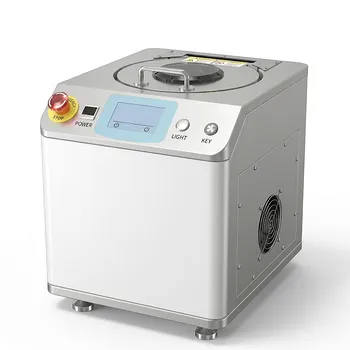
High Efficiency Vacuum Planetary Centrifugal Mixer and Defoaming Machine for Industrial Material Research and Precise Laboratory Powder Dispersion
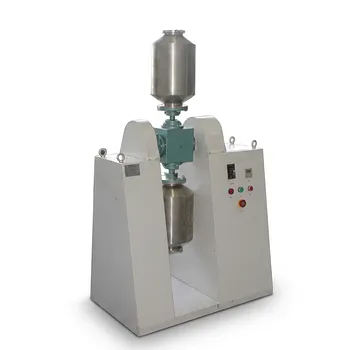
Multi Dimensional Universal Mixer for High Uniformity Powder Blending
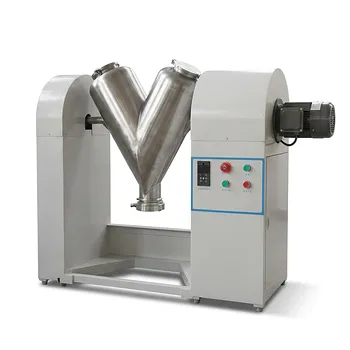
V-Type Powder Mixer for Uniform Blending of Dry Powders and Granules
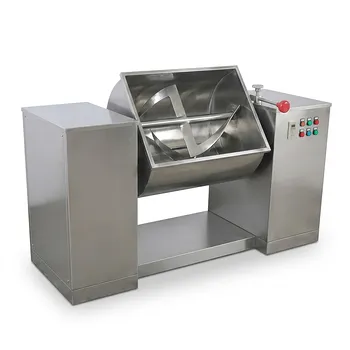
Horizontal Trough Mixer for Uniform Powder and Paste Blending
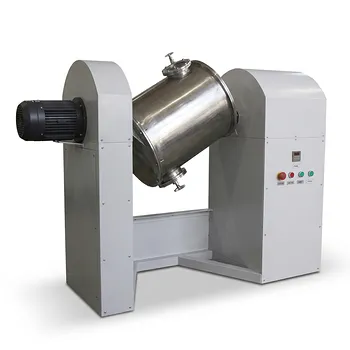
Inclined Mixer for Homogeneous Powder Blending and Grinding
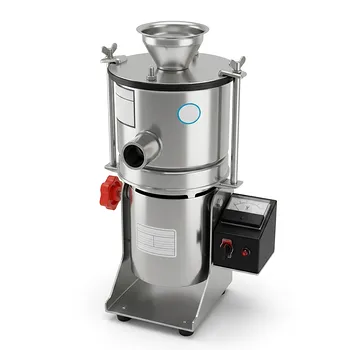
Air Guided Ultrafine Pulverizer High Speed Laboratory Powder Grinder for Chemical and Material Processing
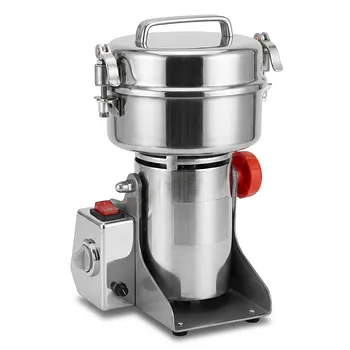
High Speed Laboratory Powder Grinder Small Batch Sample Preparation Mill
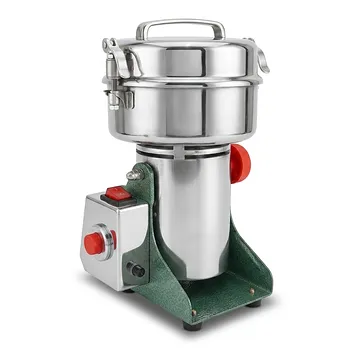
Small High-Speed Laboratory Grinder for Powder Processing
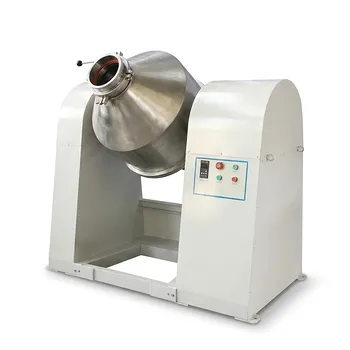
Industrial Double Cone Mixer for Powder Blending and Homogeneous Mixing
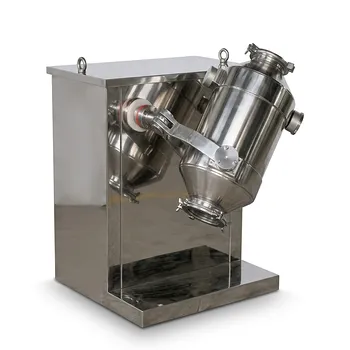
Three-Dimensional Motion Mixer for Laboratory Powder and Granule Blending
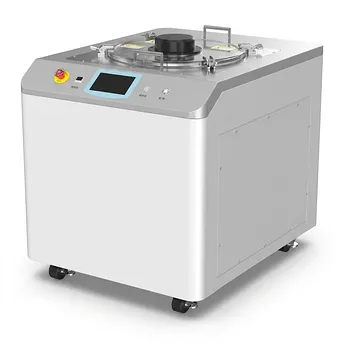
Industrial Planetary Centrifugal Vacuum Defoaming Mixer for High Viscosity Paste and Powder Homogenization
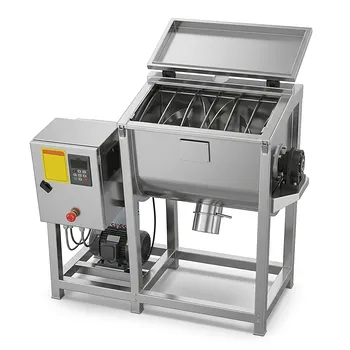
Horizontal Ribbon Mixer for Uniform Powder and Slurry Mixing
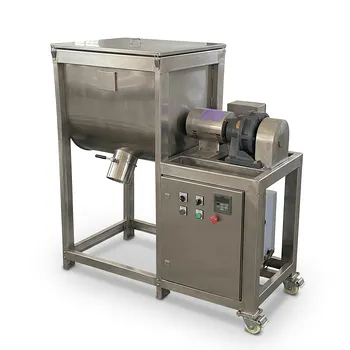
Horizontal Ribbon Mixer for Dry Powder and Slurry Blending
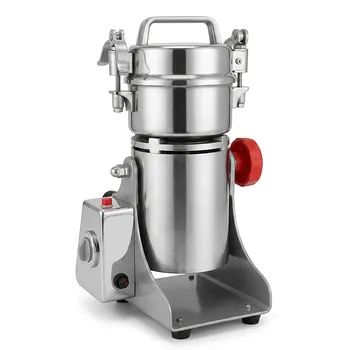
Industrial High Speed Small Sample Pulverizer Swing Type Laboratory Grinder for Powder Processing
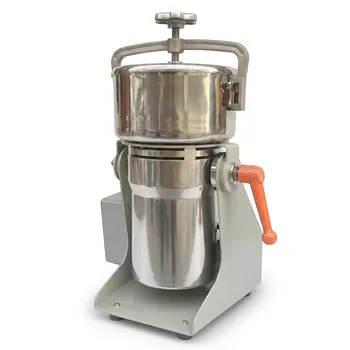
High Speed Laboratory Grinder Efficient Stainless Steel Powder Pulverizer Universal Material Science Mill for Sample Preparation
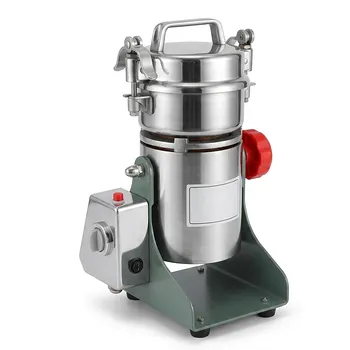
High Speed Swing Type Laboratory Pulverizer for Fine Powder Grinding and Sample Preparation
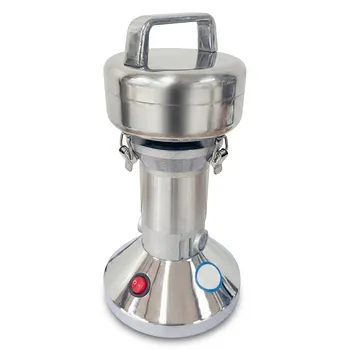
Small Trace Sample High Speed Pulverizer Grinder Laboratory Powder Mill
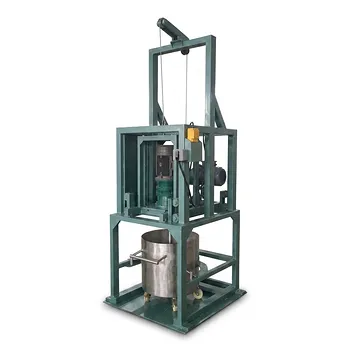
High-Speed Simple Disperser for Efficient Mixing, Dispersion, and Emulsification
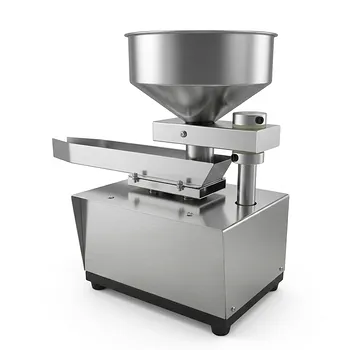
Automatic Vibrating Powder Feeder for Laboratory Material Processing Precision Vibratory Hopper Feeder for Granular and Powder Material Handling Industrial Grade Vibrating Tray Feeder for Consistent Material Sample Preparation