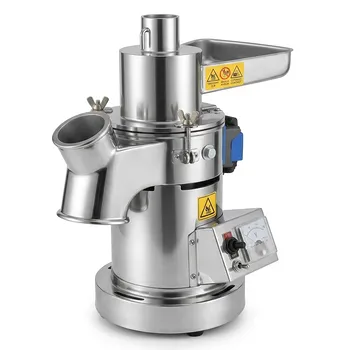
How does an industrial-grade plastic scrap grinder contribute to the initial stages of the PVC recycling process?
Updated 5 months ago
Industrial-grade plastic scrap grinders serve as the critical first step in PVC recycling by mechanically reducing large material scraps into manageable granules. These machines utilize high-speed shearing between rotating and fixed blades to transform pre-cut fabric scraps into 10–15 mm mixed granules, optimizing the material for downstream processing.
Grinding serves to normalize material size and density, converting bulky waste into a flowable feedstock. While this stage does not yet separate the PVC from its substrate, it is essential for efficient material handling and feeding subsequent separation stages.
The Mechanics of Size Reduction
Shearing Action and Blade Configuration
The grinder operates through a high-torque shearing mechanism. It utilizes a series of rotating blades that pass in close proximity to fixed blades mounted within the chamber.
This interaction acts like industrial scissors, slicing through tough fabric scraps rather than crushing them. This specific action is necessary to handle the flexible and resilient nature of PVC-coated fabrics.
Uniform Granule Creation
The primary output of this stage is a mixed granule measuring between 10 and 15 mm. By creating a uniform size, the grinder ensures that the material can be processed consistently by the next machine in the line.
At this phase, the granules remain a "bulk mixed" state. This means the PVC coating and the PET fibers are still physically attached, though the overall surface area is greatly increased.
The Strategic Role in the Recycling Chain
Volume Reduction and Storage Efficiency
Raw PVC scrap is often light, airy, and difficult to transport in large quantities. The grinding process significantly reduces the material volume, allowing for denser storage and more cost-effective transportation.
This compaction is vital for recyclers who need to manage high volumes of waste within a limited facility footprint. It transforms "fluff" into a dense, storable commodity.
Enhancing Material Flowability
Granules flow much more predictably than raw fabric scraps. This improved flowability allows the material to be fed into hoppers, vacuum systems, and conveyors without bridging or clogging.
Consistent flow is a prerequisite for any automated recycling line. Without this initial grinding, downstream sorting and separation equipment would face frequent downtime due to inconsistent feeding.
Understanding the Trade-offs
Limitations in Material Separation
It is a common misconception that grinding solves the entire recycling problem. In reality, this stage does not achieve material separation; the PVC and polyester components are still bound together in the resulting granules.
This means the output cannot be used for high-purity manufacturing immediately. It must undergo further chemical or mechanical processing to isolate the polymer from the fiber.
Heat Generation and Blade Wear
The mechanical energy required for shearing can generate significant friction and heat. If not monitored, this heat can soften the PVC, leading to "clumping" within the grinder.
Furthermore, the abrasive nature of some fabric reinforcements can lead to blade dulling. Regular maintenance is required to ensure the shearing action remains clean and efficient.
Applying This to Your Recycling Operation
Making the Right Choice for Your Goal
- If your primary focus is logistics and transport efficiency: Prioritize grinders that offer high-volume reduction ratios to maximize shipping container density.
- If your primary focus is downstream separation (PET/PVC): Ensure your grinder produces a consistent 10-15 mm granule size to allow for uniform feeding into air-density separators or chemical baths.
- If your primary focus is minimizing operational costs: Invest in high-quality blade alloys and cooling systems to reduce maintenance intervals and prevent material melting.
By mastering the initial grinding stage, you create the foundation for a highly efficient, automated PVC recovery system.
Summary Table:
| Key Feature | Functional Role | Operational Benefit |
|---|---|---|
| Shearing Mechanism | Rotating & fixed blade interaction | Slices flexible PVC-coated fabrics cleanly |
| Size Uniformity | Produces 10–15 mm mixed granules | Ensures consistent feeding for downstream steps |
| Volume Reduction | Compacts bulky, airy scrap material | Minimizes storage space and transport costs |
| Feed Optimization | Enhances material flowability | Prevents bridging and clogging in hoppers |
| Strategic Prep | Increases material surface area | Prepares feedstock for chemical/mechanical separation |
Optimize Your Material Processing with Professional Solutions
Ready to enhance your PVC recovery or material research workflow? We provide complete laboratory sample preparation solutions tailored for material science and industrial recycling. Whether you need to reduce bulk waste or achieve ultra-fine powders, our specialized equipment ensures precision and reliability.
Our extensive product line includes:
- Size Reduction: High-performance jaw/roll crushers, liquid nitrogen cryogenic grinders, and versatile mills (planetary ball, jet, sand/bead, and rotor).
- Sieving & Mixing: Precision sieve shakers (vibratory/air-jet) and advanced powder or defoaming mixers.
- Compaction & Pressing: A full spectrum of hydraulic presses, including Cold/Warm Isostatic Presses (CIP/WIP), standard lab presses, and vacuum hot presses.
Unlock higher efficiency and superior material quality today. Contact our technical experts to find the ideal equipment configuration for your specific application requirements!
References
- Walid Chaouch, Slah Msahli. Development of a reliable and efficient combined grinding and separation process for PVC-coated fabric waste. DOI: 10.5802/crchim.258
Mentioned Products
- Stainless Steel Coarse Crusher for Pharmaceutical Food and Plastic Material Processing
- Heavy Metal Free RoHS WEEE Testing Sample Pretreatment Cutting Mill Industrial Solid Waste Grinder for Plastics and Electronics
- Small Laboratory Knife Crusher for Plastic Sample Preparation and Material Grinding
- Cross Beater Mill for Brittle Material Grinding and Continuous Fine Crushing Industrial Sample Preparation
- Versatile Industrial Crusher for Laboratory Crushing and Material Processing
People Also Ask
- What is the role of industrial crushers and standard test sieves in biomass pyrolysis? Optimize Heat Transfer & Yield
- What is the purpose of using industrial crushers and vibratory sieve shakers in the pretreatment of coal gangue? Ensure Uniformity
- What is the function of an industrial crusher in CRSS filler preparation? Essential Size Reduction for Carbonization
- What is the function of industrial crushers in the initial preparation of silicate minerals? Enhance Sample Uniformity
- How do crushers and mills work together in gypsum recycling? Transform drywall waste into reactive ceramic materials.

Tech Team · PowderPreparation
Last updated on May 14, 2026
Related Products
Stainless Steel Coarse Crusher for Pharmaceutical Food and Plastic Material Processing
Heavy Metal Free RoHS WEEE Testing Sample Pretreatment Cutting Mill Industrial Solid Waste Grinder for Plastics and Electronics
Small Laboratory Knife Crusher for Plastic Sample Preparation and Material Grinding
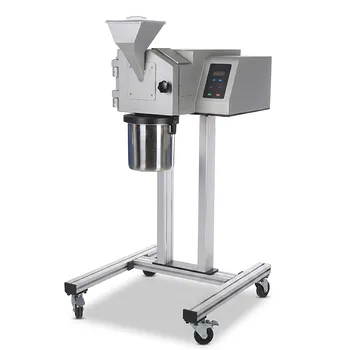
Cross Beater Mill for Brittle Material Grinding and Continuous Fine Crushing Industrial Sample Preparation
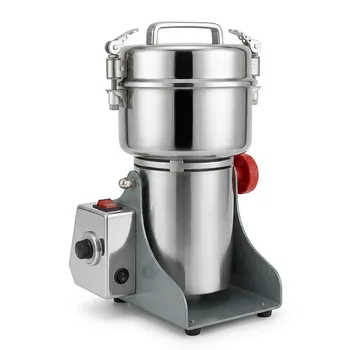
Versatile Industrial Crusher for Laboratory Crushing and Material Processing
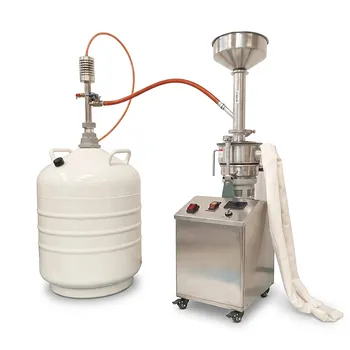
Laboratory Liquid Nitrogen Cryogenic Grinder for Polymer and Elastomer Materials
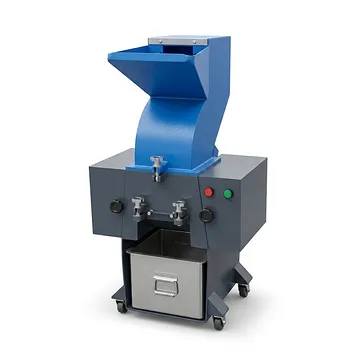
Heavy-Duty Crusher for Laboratory and Industrial Material Size Reduction
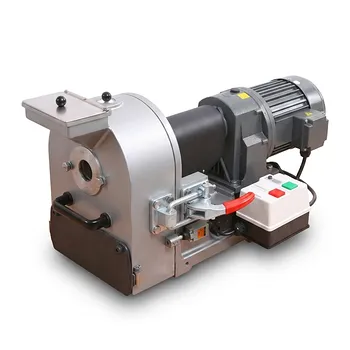
Laboratory Disc Mill for Fine Sample Preparation of Hard and Brittle Materials
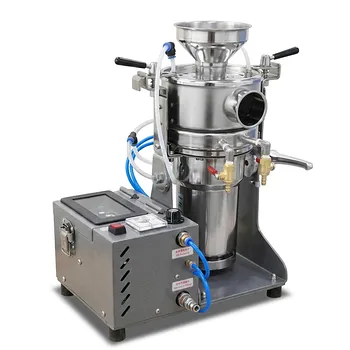
Water Cooled Pulse Jet Ultrafine Grinder
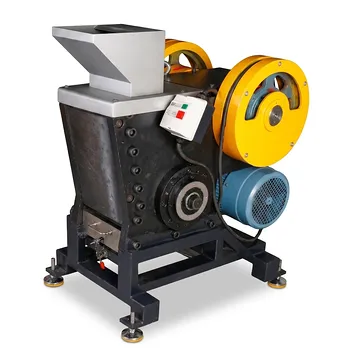
Heavy Duty Industrial Jaw Crusher for Primary Ore Crushing and High Capacity Mineral Material Size Reduction
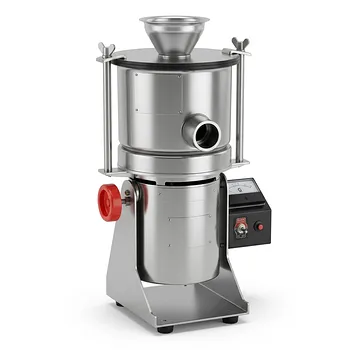
Laboratory Ultrafine Impact and Airflow Grinder for Precise Particle Size Control
Small High-Speed Laboratory Grinder for Powder Processing
Small High-Speed Grinder for Efficient Laboratory Sample Preparation
High Efficiency High Speed Grinder 2200W 25000 RPM Laboratory Sample Preparation
High Efficiency High Speed Grinder Laboratory Mill 1300W 25000rpm
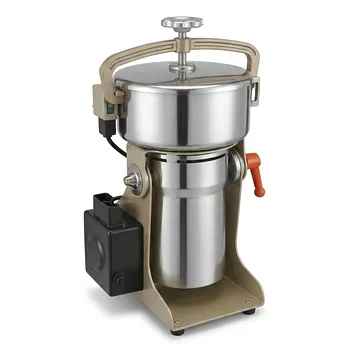
Multifunctional High Efficiency High Speed Laboratory Grinder
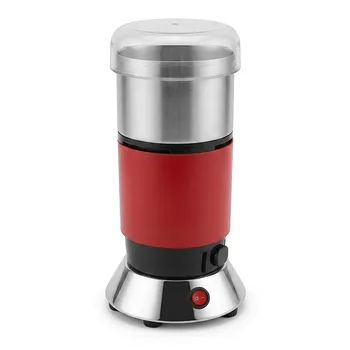
Micro Solid Sample Grinder High Speed Pulverizer for Laboratory Small Batch Grinding
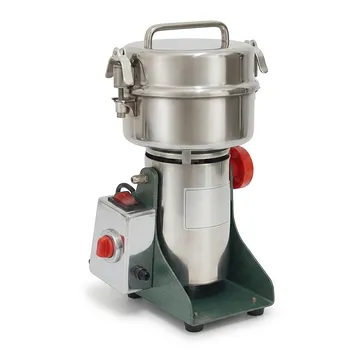
Small High Speed Grinder for Laboratory Sample Preparation
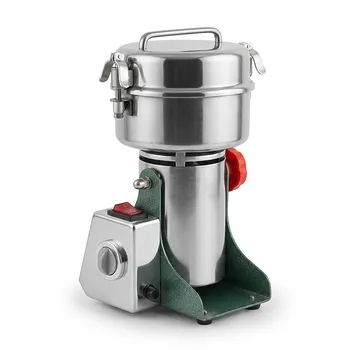
Small High-Speed Swing Grinder for Laboratory Sample Preparation