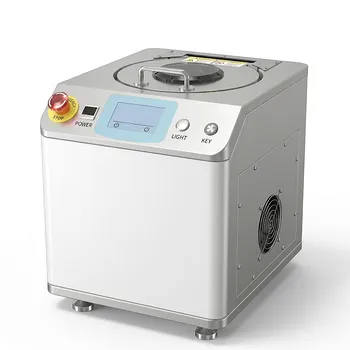
How does an automatic mixer ensure the quality of tailings-based concrete? Achieve Superior Uniformity and Strength
Updated 4 months ago
Precision mixing is the foundation of structural integrity in modern sustainable binders. An automatic mixer ensures the quality of tailings-based concrete and alkali-activated slurries by using forced, high-shear stirring to achieve microscopic uniformity. This process effectively eliminates particle agglomeration, synchronizes chemical reactions across the entire batch, and optimizes the rheological properties necessary for successful application.
An automatic mixer transforms heterogeneous waste materials into high-performance binders by ensuring that activators and precursors interact at a molecular level. This precise control over homogenization is what prevents structural defects and guarantees consistent mechanical strength.
Eliminating Microscopic Inhomogeneity
Breaking Down Particle Agglomeration
Tailings powder and solid precursors like fly ash or slag naturally tend to form clumps or agglomerates. High-shear mixers apply intense mechanical forces that physically break these clusters apart, ensuring every particle is exposed to the liquid medium.
Achieving Molecular-Level Dispersion
To reach a high degree of microscopic uniformity in a short time, forced stirring is required. This level of dispersion ensures that chemical additives and retarders are distributed evenly, preventing localized areas of weakness within the hardened material.
Preventing Density Gradients
Without uniform mixing, slurries can develop density gradients where heavier particles settle or consolidate unevenly. Automatic homogenization prevents these gradients, ensuring the final solidified geopolymer or concrete possesses a consistent internal structure.
Synchronizing the Alkali-Activation Reaction
Facilitating Immediate Chemical Contact
The alkali-activation reaction begins the moment the alkaline solution touches the solid precursor. Automatic mixers facilitate thorough contact between activators, such as sodium hydroxide, and powders like slag, ensuring the reaction starts simultaneously throughout the mixture.
Promoting Uniform Hydration
For cementitious or gypsum-based composites, the mixer ensures that water and binders are in full contact to initiate hydration. This synchronization is critical for developing a stable microstructure and preventing internal stresses caused by uneven setting times.
Maintaining Thermal Stability
Uniform distribution of components ensures that the material behaves predictably under extreme conditions. For instance, well-mixed gypsum composites can maintain structural integrity and residual strength even when exposed to temperatures as high as 1,000°C.
Optimizing Workability and Performance
Enhancing Rheological Properties
The flowability and stability of a slurry—its rheology—are directly influenced by the mixing energy. Proper mixing ensures the slurry has the necessary fluidity for permeation grouting or mold filling without segregating.
Controlling Air Entrapment
Precise control of mixing speed and duration is essential to manage air bubbles. Residual bubbles can form pore defects in the hardened material, which directly compromises the final compressive strength and mechanical reliability.
Standardizing Experimental Results
In a laboratory or industrial setting, automatic mixers eliminate human error by following programmed mixing rates. This standardization, often adhering to API standards, ensures that rheological parameters and strength tests are repeatable across different batches.
Understanding the Trade-offs
Heat Generation vs. Mixing Efficiency
High-speed shearing generates friction, which can increase the temperature of the slurry. While this can accelerate reactions, excessive heat may lead to premature setting or "flash set," making the material difficult to work with.
Air Entrapment Risks
While high-intensity mixing is necessary for dispersion, it can inadvertently draw air into the slurry. Operators must balance high-speed homogenization with low-speed degassing stages to ensure the final product is dense and free of structural voids.
Energy Consumption and Wear
High-shear automatic mixers require significant energy and can experience faster mechanical wear when processing abrasive tailings. Maintenance schedules must be strictly followed to ensure the stable mechanical shear forces required for quality control are consistently met.
How to Apply This to Your Project
Making the Right Choice for Your Goal
To ensure the highest quality in your slurry or concrete production, tailor your mixing strategy to your specific performance requirements.
- If your primary focus is Maximum Compressive Strength: Utilize high-speed mechanical mixing to ensure molecular-level dispersion and minimize pore defects from air entrapment.
- If your primary focus is Workability and Grouting: Prioritize multi-stage stirring programs that optimize rheology and prevent particle segregation during pressure injection.
- If your primary focus is Research and Repeatability: Implement industrial-grade automatic mixers with multi-stage speed control to eliminate experimental errors and meet API standards.
- If your primary focus is High-Temperature Resistance: Ensure a molecular-level uniform distribution of retarders and aggregates to prevent component segregation under thermal stress.
Consistency in the mixing process is the single most important factor in turning industrial waste into reliable construction material.
Summary Table:
| Mixing Factor | Mechanism of Action | Impact on Material Quality |
|---|---|---|
| High-Shear Stirring | Breaks particle agglomerates and clumps | Achieves molecular-level dispersion and uniformity |
| Forced Homogenization | Prevents density gradients and settling | Ensures consistent internal structure and density |
| Reaction Sync | Facilitates immediate activator contact | Prevents localized weak spots and internal stress |
| Rheology Control | Optimizes mixing energy and speed | Enhances flowability for grouting and mold filling |
| Standardization | Programmed rates (API Standards) | Eliminates human error for repeatable lab results |
Optimize Your Sustainable Material Production with Professional Solutions
Achieving structural integrity in tailings-based concrete and advanced binders requires precision at the microscopic level. At [Brand Name], we provide complete laboratory sample preparation solutions for material science, specializing in high-performance powder processing and compaction equipment.
Our extensive line includes planetary ball mills, jet mills, and vacuum defoaming mixers designed to eliminate air entrapment and ensure perfect slurry homogenization. To finalize your samples with industry-leading density, we manufacture a full spectrum of hydraulic presses, including Cold/Warm Isostatic Presses (CIP/WIP), hot presses, and XRF pellet presses.
Ready to elevate your research and production quality? Contact our material science experts today to find the perfect equipment solution for your specific laboratory or industrial needs.
References
- Yipu Guo, Wengui Li. Advancing circular economy and construction sustainability: transforming mine tailings into high-value cementitious and alkali-activated concrete. DOI: 10.1038/s44296-025-00049-9
Mentioned Products
- Inclined Mixer for Homogeneous Powder Blending and Grinding
- Horizontal Trough Mixer for Uniform Powder and Paste Blending
- V-Type Powder Mixer for Uniform Blending of Dry Powders and Granules
- Horizontal Ribbon Mixer for Dry Powder and Slurry Blending
- Three-Dimensional Motion Mixer for Laboratory Powder and Granule Blending
People Also Ask
- What is the role of a powder mixer in SiC mechanical seal ring production? Ensure Homogeneity and Structural Integrity
- What is the importance of using a high-efficiency powder mixer when preparing sand and soil mixtures? Accurate Results.
- How do powder mixers and additives influence ZTA ceramics? Optimize microstructure for superior toughness and density
- Why is high-uniformity powder mixing essential for antibacterial ceramic glazes? Ensure Consistent Bioactive Protection
- Why is it necessary to consider the influence of static walls in powder mixing experiment design? Optimize Uniformity.

Tech Team · PowderPreparation
Last updated on Jun 03, 2026
Related Products
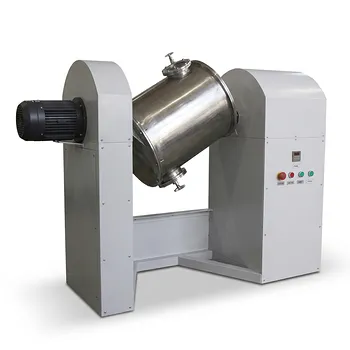
Inclined Mixer for Homogeneous Powder Blending and Grinding
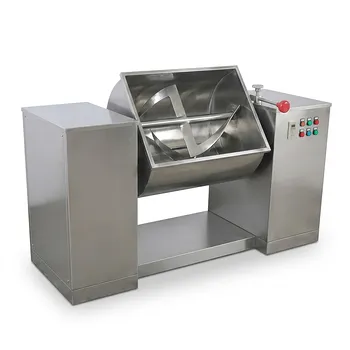
Horizontal Trough Mixer for Uniform Powder and Paste Blending
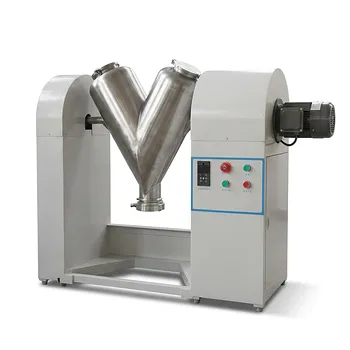
V-Type Powder Mixer for Uniform Blending of Dry Powders and Granules
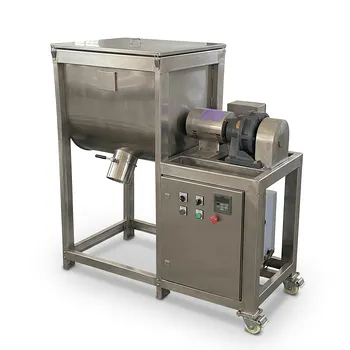
Horizontal Ribbon Mixer for Dry Powder and Slurry Blending
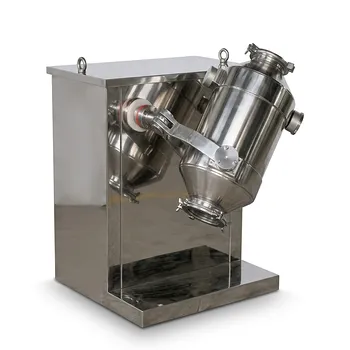
Three-Dimensional Motion Mixer for Laboratory Powder and Granule Blending
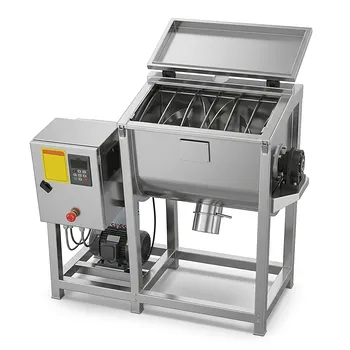
Horizontal Ribbon Mixer for Uniform Powder and Slurry Mixing
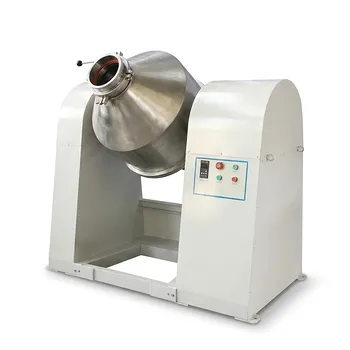
Industrial Double Cone Mixer for Powder Blending and Homogeneous Mixing
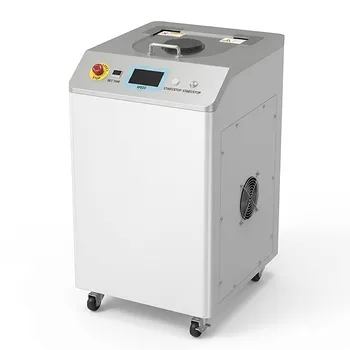
High Viscosity Planetary Centrifugal Vacuum Mixer for Material Defoaming and Uniform Mixing
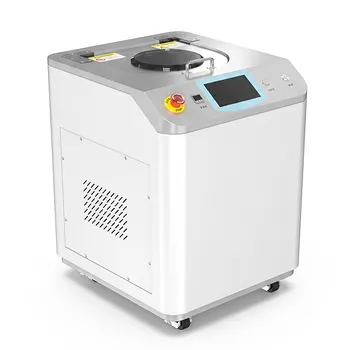
High Speed Vacuum Planetary Centrifugal Mixer and Defoamer for Industrial Paste Processing
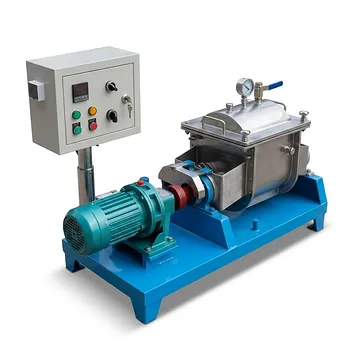
Industrial Vacuum Kneader for High-Viscosity Silicone, Rubber, and Compound Mixing
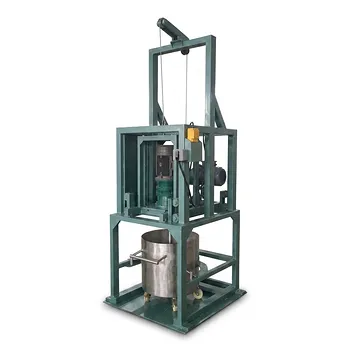
High-Speed Simple Disperser for Efficient Mixing, Dispersion, and Emulsification
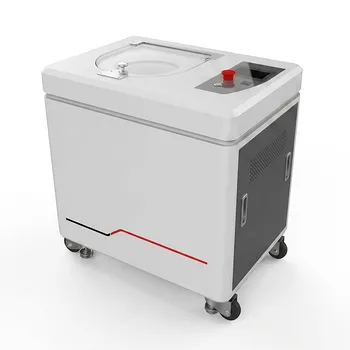
非介入式材料均质机真空脱泡行星搅拌高粘度混合设备
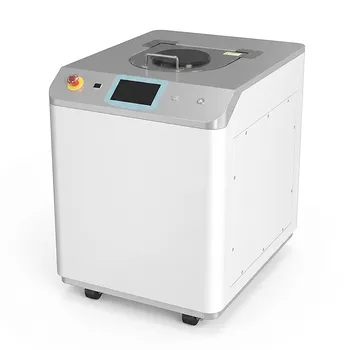
Industrial Planetary Centrifugal Vacuum Defoaming Mixer for High Viscosity Paste and Advanced Material Science
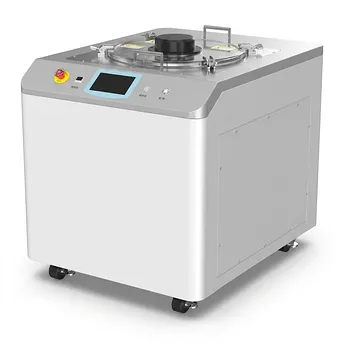
Industrial Planetary Centrifugal Vacuum Defoaming Mixer for High Viscosity Paste and Powder Homogenization
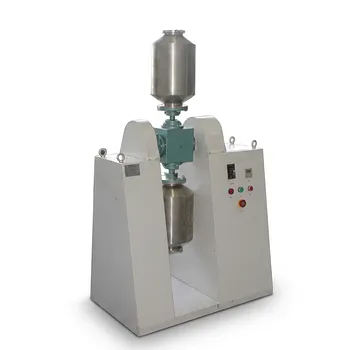
Multi Dimensional Universal Mixer for High Uniformity Powder Blending
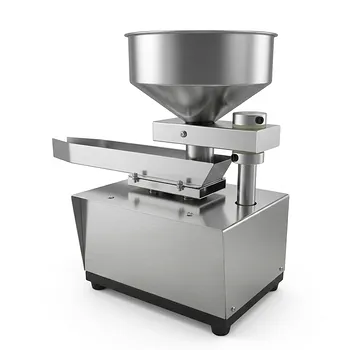
Automatic Vibrating Powder Feeder for Laboratory Material Processing Precision Vibratory Hopper Feeder for Granular and Powder Material Handling Industrial Grade Vibrating Tray Feeder for Consistent Material Sample Preparation
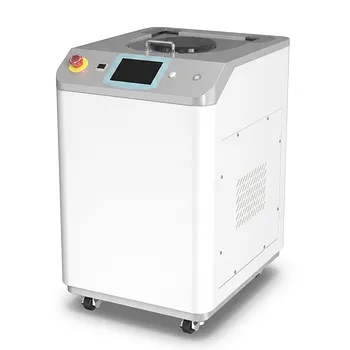
High Viscosity Planetary Centrifugal Mixing and Vacuum Defoaming Machine for Laboratory Material Preparation
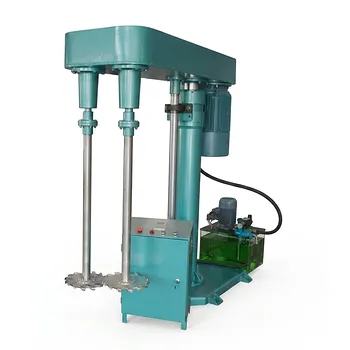
Hydraulic Double Shaft Disperser for High Viscosity Liquid Mixing and Dispersion
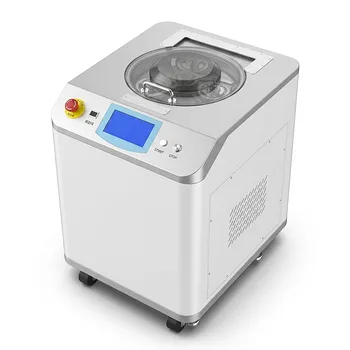
Dual Cup Vacuum Centrifugal Mixer Planetary Paste Defoaming Machine Industrial Material Processor