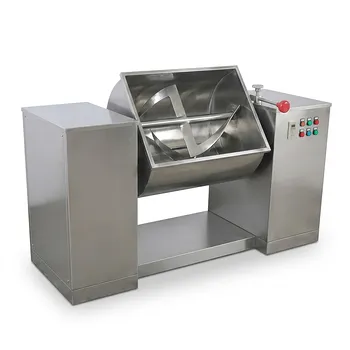
How does a Planetary Centrifugal Mixer ensure a low RSD for low-dose drug mixtures? Master Pharmaceutical Uniformity
Updated 4 months ago
The secret to achieving a low Relative Standard Deviation (RSD) in low-dose pharmaceutical mixtures lies in the high-energy "twist flow" created by dual-axis motion. By eliminating mechanical blades and utilizing simultaneous revolution and rotation, a Planetary Centrifugal Mixer (PCM) ensures that micro-dose drug particles are fully diffused and embedded within a diluent matrix. This mechanized process provides the precise control and repeatability necessary to maintain content uniformity within strict pharmacopeia standards, often achieving an RSD of less than 6.08%.
Core Takeaway: A Planetary Centrifugal Mixer ensures low RSD by replacing inconsistent manual or blade-based mixing with high-energy, non-contact convection and shear forces. This approach maximizes particle diffusion while eliminating material loss and human error, resulting in a highly uniform and repeatable drug distribution.
The Physics of Homogeneity
Dual-Axis Motion and "Twist Flow"
A PCM operates by simultaneously revolving the container around a central axis and rotating the container itself. This dual-motion mechanism creates a powerful "twist flow" that generates intense convection between the top, bottom, center, and edges of the vessel.
High Energy Density and Diffusion
The high-speed rotation generates significant centrifugal forces, providing the energy density required to shear and disperse micro-dose particles. This allows the active pharmaceutical ingredient (API) to fully diffuse and embed within the diluent matrix, which is the foundational requirement for content uniformity.
Rapid Uniformity in Small Batches
Because of the intense energy involved, the mixer can achieve a uniform distribution of ingredients in a very short timeframe, often around 60 seconds. This speed is critical for preventing the segregation that can occur during longer, lower-energy mixing cycles.
Eliminating Variables and Material Loss
Bladeless, Non-Contact Mixing
Unlike traditional mixers, a PCM uses a bladeless technology where mixing occurs directly within a sealed, often disposable, container. This setup eliminates the risk of drug material adhering to stirring blades or mortar walls, significantly reducing physical loss and increasing yield.
Reduction of Human Error
Manual methods, such as mortar and pestle mixing, are highly dependent on the skill and stamina of the operator. Mechanizing the process ensures that every batch is subjected to the same precise parameters, effectively removing quality fluctuations caused by human variability.
Enhanced Environmental Safety
By utilizing sealed containers, the PCM minimizes the risk of environmental contamination and exposure for the operator. This is particularly important when handling potent or sensitive low-dose compounds that require a high degree of containment.
Optimizing Process Parameters for RSD
The Impact of Filling Rates
The volume of material within the container—the filling rate—directly affects mixing efficiency. A low filling rate, typically around 20% volume, provides the necessary free space for particles to collide and move energetically, which is essential for forming an effective ordered mixture.
Integrated Defoaming and Material Integrity
The centrifugal forces generated during mixing simultaneously perform defoaming, removing micro-bubbles that could compromise the integrity of the mixture. This ensures that the final product is not only chemically uniform but also physically dense and stable.
Repeatability and Control
Modern PCMs allow for the precise control of rotation speed and centrifugal force. By locking in these parameters, manufacturers can guarantee that the mixing environment remains identical across different batches, which is the cornerstone of maintaining a low RSD.
Understanding the Trade-offs
While PCMs are highly effective, they are not without limitations. The high energy levels required to achieve low RSD can generate significant heat, which may be detrimental to thermolabile (heat-sensitive) drugs if processing times are not strictly managed.
Additionally, the physics of the "twist flow" depends heavily on viscosity and density differences between the API and the diluent. While the mixer can handle high-viscosity materials, extremely light powders may require specialized settings or longer durations to ensure they do not remain suspended above the heavier matrix during the initial phase of mixing.
Finally, the 20% filling rate recommendation means that the equipment's throughput per cycle is lower than traditional bulk mixers. This makes the technology ideal for high-value, low-dose pharmaceutical applications, but potentially less cost-effective for high-volume, low-margin products.
Implementing PCM for Low-Dose Formulations
To achieve the best results for your specific drug preparation, consider the following strategic applications:
- If your primary focus is Content Uniformity (Low RSD): Prioritize optimizing the revolution-to-rotation ratio to maximize shear forces, ensuring the API is fully embedded in the diluent.
- If your primary focus is High Yield and Recovery: Utilize disposable, sealed containers to eliminate transfer losses and ensure that nearly 100% of the active material remains in the final mixture.
- If your primary focus is Processing Sensitive Materials: Implement staged mixing cycles with cooling intervals to take advantage of the high-energy dispersion without risking thermal degradation.
By leveraging the precise energy and non-contact nature of planetary centrifugal mixing, manufacturers can confidently meet the most stringent regulatory requirements for drug content uniformity.
Summary Table:
| Feature | Impact on RSD & Uniformity |
|---|---|
| Dual-Axis Motion | Creates high-energy "twist flow" for total particle diffusion. |
| Bladeless Technology | Eliminates material loss and contamination; ensures 100% yield. |
| High Energy Density | Achieves homogeneity in ~60s, preventing particle segregation. |
| Repeatable Parameters | Digital control over speed and force removes human error. |
| Integrated Defoaming | Removes micro-bubbles for a physically dense and stable mixture. |
Elevate Your Lab's Precision with [Brand Name]
Achieving consistent content uniformity in low-dose formulations requires more than just mixing—it requires precision engineering. At [Brand Name], we provide complete laboratory sample preparation solutions for material science and pharmaceutical R&D.
Whether you need to optimize powder processing with our advanced Planetary Centrifugal and Defoaming Mixers, or require specialized equipment like Jet Mills, High-Pressure CIP/WIP systems, or Vacuum Hot Presses, our expert team is here to help you achieve an RSD well below industry standards.
Ready to eliminate mixing variables and maximize your yield?
Contact Our Specialists Today to find the perfect equipment for your specific application.
References
- Yasunori Miyazaki, Yoshiyuki Kagawa. Application of Response Surface Methodology to Estimate the Design Space of Pharmaceutical Diluents for Dispensing Powdered Formulations. DOI: 10.1248/cpb.c16-00546
Mentioned Products
- High Viscosity Planetary Centrifugal Vacuum Mixer for Material Defoaming and Uniform Mixing
- High Efficiency Vacuum Planetary Centrifugal Mixer and Defoaming Machine for Industrial Material Research and Precise Laboratory Powder Dispersion
- High Speed Vacuum Planetary Centrifugal Mixer and Defoamer for Industrial Paste Processing
- Industrial Planetary Centrifugal Vacuum Defoaming Mixer for High Viscosity Paste and Powder Homogenization
- High Viscosity Planetary Centrifugal Mixing and Vacuum Defoaming Machine for Laboratory Material Preparation
People Also Ask
- What core functions does a planetary centrifugal mixer perform? Optimize Hard Carbon Anode Slurry & Degassing
- Why is a planetary centrifugal mixer recommended for geopolymer slurries? Achieve high-shear, air-free homogenization.
- Why is a planetary centrifugal mixer utilized for wood powder and HPMC? Achieve uniform dispersion & rapid defoaming.
- How does a planetary centrifugal mixer address key challenges in Tyr-CDs@EVA optical films? Ensure Optical Clarity.
- What is the role of a planetary centrifugal mixer in UHTC slurry preparation? Achieve Void-Free, High-Viscosity Mixing

Tech Team · PowderPreparation
Last updated on May 14, 2026
Related Products
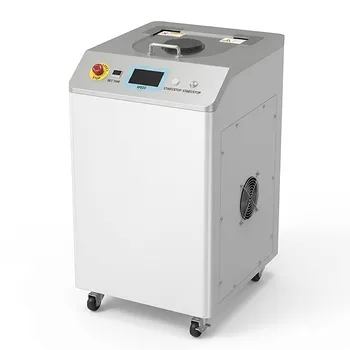
High Viscosity Planetary Centrifugal Vacuum Mixer for Material Defoaming and Uniform Mixing
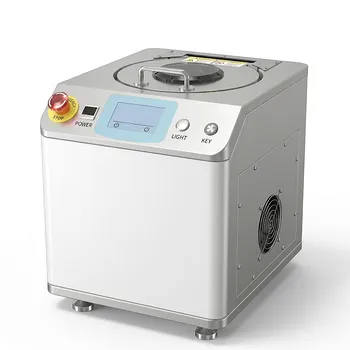
High Efficiency Vacuum Planetary Centrifugal Mixer and Defoaming Machine for Industrial Material Research and Precise Laboratory Powder Dispersion
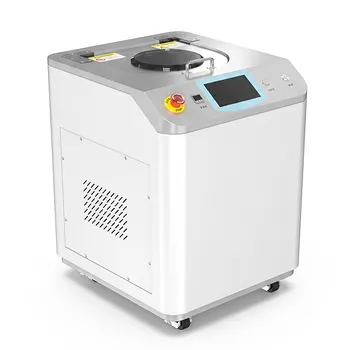
High Speed Vacuum Planetary Centrifugal Mixer and Defoamer for Industrial Paste Processing
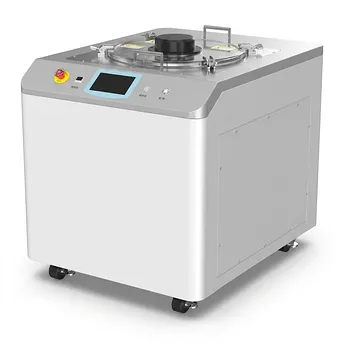
Industrial Planetary Centrifugal Vacuum Defoaming Mixer for High Viscosity Paste and Powder Homogenization
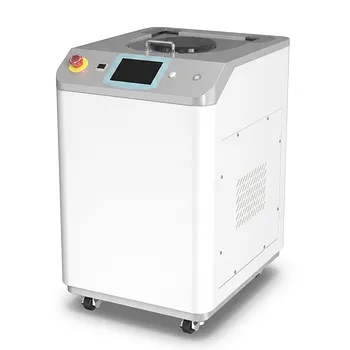
High Viscosity Planetary Centrifugal Mixing and Vacuum Defoaming Machine for Laboratory Material Preparation
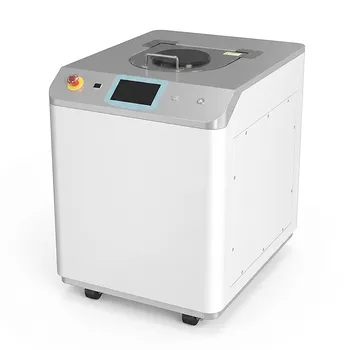
Industrial Planetary Centrifugal Vacuum Defoaming Mixer for High Viscosity Paste and Advanced Material Science
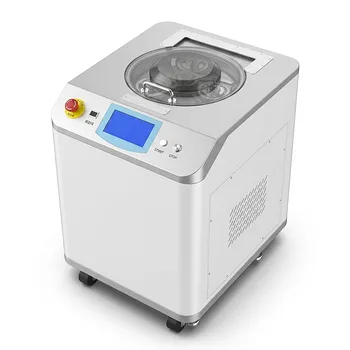
Dual Cup Vacuum Centrifugal Mixer Planetary Paste Defoaming Machine Industrial Material Processor
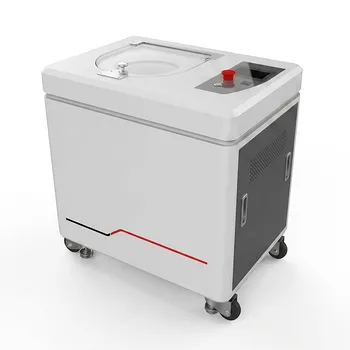
非介入式材料均质机真空脱泡行星搅拌高粘度混合设备
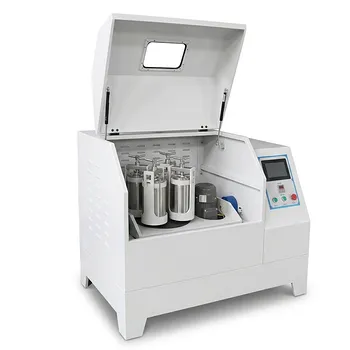
360° Rotating Omnidirectional Laboratory Planetary Ball Mill for Homogeneous Ultra-Fine Grinding and Mixing
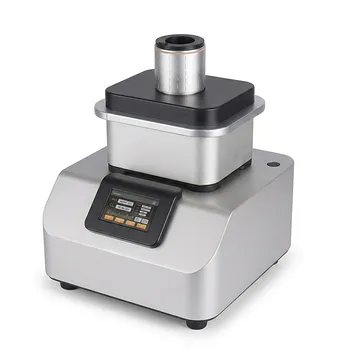
Ultra Centrifugal Mill High Speed Laboratory Grinder for Fibrous and Brittle Sample Preparation
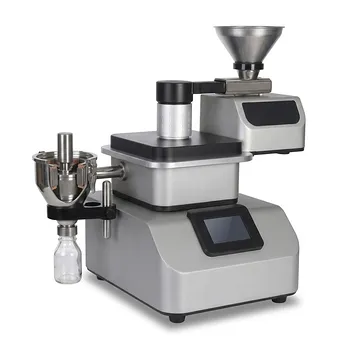
Ultra Centrifugal Mill for Rapid Laboratory Sample Preparation and Fine Powder Grinding
Heavy Duty Horizontal Planetary Ball Mill for Efficient Industrial Grinding and Sample Preparation
Horizontal Light Duty Planetary Ball Mill for Laboratory Sample Preparation
Vertical Production Planetary Ball Mill for High Throughput Powder Processing
Planetary Ball Mill 12L
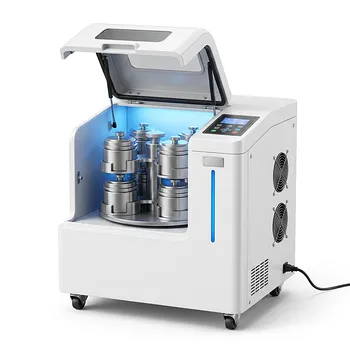
High Energy Omnidirectional Planetary Ball Mill 20L
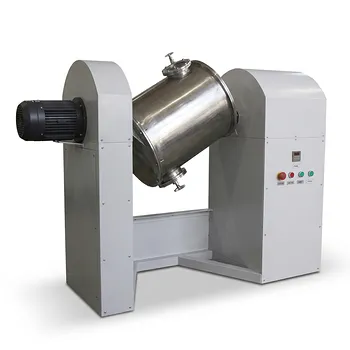
Inclined Mixer for Homogeneous Powder Blending and Grinding
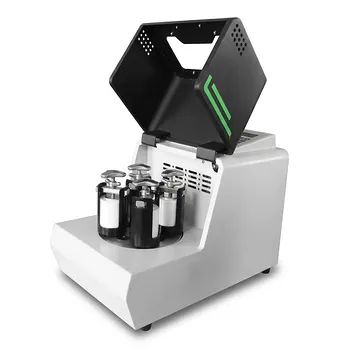
Miniature Planetary Ball Mill with Vacuum Grinding and High Efficiency for Laboratory Sample Preparation
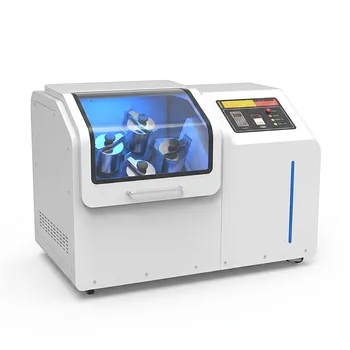
High Energy Omnidirectional Planetary Ball Mill 16L