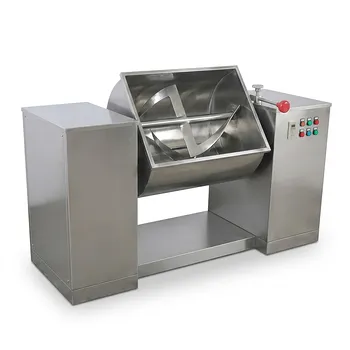
How does a planetary centrifugal mixer address preparation challenges for clay-lignin composite films? Achieve Perfection
Updated 4 months ago
The planetary centrifugal mixer overcomes the primary challenges of clay-lignin composite film preparation by simultaneously achieving molecular-level homogenization and high-efficiency defoaming. It utilizes dual-axis revolution and rotation to blend high-viscosity lignin with clay particles, ensuring a dense, airtight, and defect-free final structure that traditional mixing methods often fail to produce.
By combining intense shear forces with centrifugal de-aeration, planetary centrifugal mixers solve the dual problem of uneven particle distribution and trapped air in viscous slurries. This process is essential for creating composite films that require high mechanical strength, transparency, and barrier properties.
Overcoming High Viscosity and Particle Agglomeration
Achieving Uniform Lignin Dissolution
Lignin is a complex polymer that often presents high viscosity when dissolved in solvents like propylene glycol. A planetary centrifugal mixer generates high-energy shear forces that allow high-viscosity lignin powder to disperse rapidly and reach a uniform dissolved state.
Micron-Scale Dispersion of Clay
Clay particles, such as montmorillonite (MMT), require deep homogenization to prevent clumping within the lignin matrix. The composite motion of revolution and rotation generates powerful centrifugal forces that uniformly disperse micron-sized powders into the matrix, ensuring a consistent internal structure.
Bladeless Mixing Dynamics
Unlike traditional stirrers, these mixers operate without the need for mixing blades. This eliminates the risk of contamination from blade wear and prevents the "shadow zones" where material might remain unmixed, which is critical for maintaining the purity of the clay-lignin composite.
Eliminating Structural Defects Through Defoaming
Preventing Pore Defects
The preparation of composite films is highly sensitive to micro-bubbles introduced during the blending phase. The planetary centrifugal mixer utilizes powerful centrifugal forces generated by revolution to force these bubbles to the surface, effectively removing them before the film is cast or dried.
Ensuring Airtightness and Density
Eliminating air bubbles is the only way to ensure the density and airtightness of the resulting film. If micro-bubbles remain, they create voids that act as stress concentrators or pathways for gas permeation, compromising the film's barrier performance.
Maintaining Optical and Mechanical Consistency
For films where transparency is required, trapped air can cause significant scattering losses. The dual action of mixing and defoaming ensures that the cured composite maintains high optical transparency and structural consistency by preventing these scattering defects.
Understanding the Trade-offs
Heat Generation
The high-speed revolution and rotation required to shear viscous materials can generate significant internal heat. For temperature-sensitive bio-polymers or volatile solvents, users must carefully monitor cycle times or use cooling features to prevent material degradation.
Batch Size and Scalability
Planetary centrifugal mixers are often limited by container volume, making them ideal for R&D and specialized production but challenging for massive bulk manufacturing. Scaling up requires multiple units or larger, more expensive industrial-grade machines.
Equipment Cost
The precision engineering required for dual-axis centrifugal motion results in a higher initial investment compared to simple overhead stirrers. However, this cost is typically offset by the reduction in processing time and the elimination of secondary degassing steps.
How to Apply This to Your Project
Making the Right Choice for Your Goal
- If your primary focus is Maximum Barrier Performance: Prioritize the vacuum-integrated defoaming settings to ensure a completely void-free structure for superior airtightness.
- If your primary focus is Homogeneous Transparency: Use higher rotation speeds to achieve molecular-level dispersion of lignin and clay, minimizing particle agglomeration that causes light scattering.
- If your primary focus is High-Throughput Screening: Leverage the bladeless design to quickly switch between different clay-lignin ratios without the downtime required for cleaning mechanical impellers.
By mastering the balance between shear-driven mixing and centrifugal defoaming, you can produce clay-lignin films with the structural integrity required for advanced technical applications.
Summary Table:
| Challenge | Planetary Centrifugal Mixer Solution | Key Benefit |
|---|---|---|
| High Viscosity | High-energy shear forces via dual-axis motion | Rapid, uniform lignin dissolution |
| Particle Agglomeration | Centrifugal force-driven homogenization | Micron-scale clay (MMT) dispersion |
| Micro-bubble Defects | Simultaneous centrifugal de-aeration | Pore-free, airtight film structure |
| Material Contamination | Bladeless mixing technology | High purity with zero blade wear debris |
| Inconsistent Transparency | Molecular-level mixing | High optical clarity & structural density |
Elevate Your Material Research with Precision Engineering
Are you struggling with trapped air or uneven particle distribution in your composite films? At [Your Brand Name], we specialize in providing complete laboratory sample preparation solutions tailored for material science. Our expert-grade equipment is designed to handle the toughest mixing and compaction challenges.
Our extensive product line includes:
- Advanced Mixing: Planetary centrifugal mixers, defoaming mixers, and powder mixers for defect-free homogenization.
- Size Reduction & Sifting: Planetary ball mills, jet mills, disc mills, and vibratory sieve shakers.
- Compaction & Pressing: A full spectrum of hydraulic presses, including Cold/Warm Isostatic Presses (CIP/WIP), vacuum hot presses, and XRF pellet presses.
Whether you are developing high-barrier bio-polymers or advanced technical ceramics, our equipment ensures consistent, high-quality results every time. Contact us today to find the perfect solution for your lab!
References
- Kazuhiro Shikinaka, Yuichiro Otsuka. Nonflammable UV protective films consisting of clay and lignin with tunable light/gas transparency. DOI: 10.1039/d1ra04096k
Mentioned Products
- High Viscosity Planetary Centrifugal Vacuum Mixer for Material Defoaming and Uniform Mixing
- High Efficiency Vacuum Planetary Centrifugal Mixer and Defoaming Machine for Industrial Material Research and Precise Laboratory Powder Dispersion
- High Speed Vacuum Planetary Centrifugal Mixer and Defoamer for Industrial Paste Processing
- Industrial Planetary Centrifugal Vacuum Defoaming Mixer for High Viscosity Paste and Powder Homogenization
- High Viscosity Planetary Centrifugal Mixing and Vacuum Defoaming Machine for Laboratory Material Preparation
People Also Ask
- What core functions does a planetary centrifugal mixer perform? Optimize Hard Carbon Anode Slurry & Degassing
- Why is a planetary centrifugal mixer recommended for geopolymer slurries? Achieve high-shear, air-free homogenization.
- Why is a planetary centrifugal mixer utilized for wood powder and HPMC? Achieve uniform dispersion & rapid defoaming.
- How does a planetary centrifugal mixer address key challenges in Tyr-CDs@EVA optical films? Ensure Optical Clarity.
- What is the role of a planetary centrifugal mixer in UHTC slurry preparation? Achieve Void-Free, High-Viscosity Mixing

Tech Team · PowderPreparation
Last updated on Jun 03, 2026
Related Products
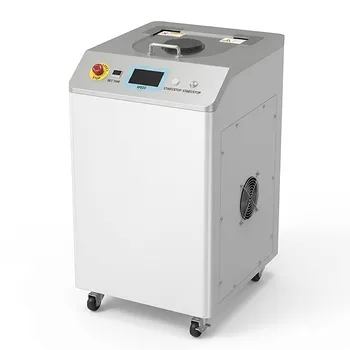
High Viscosity Planetary Centrifugal Vacuum Mixer for Material Defoaming and Uniform Mixing
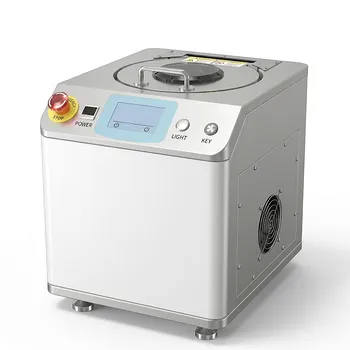
High Efficiency Vacuum Planetary Centrifugal Mixer and Defoaming Machine for Industrial Material Research and Precise Laboratory Powder Dispersion
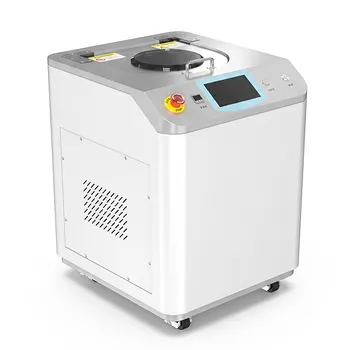
High Speed Vacuum Planetary Centrifugal Mixer and Defoamer for Industrial Paste Processing
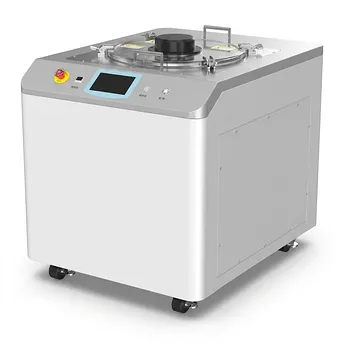
Industrial Planetary Centrifugal Vacuum Defoaming Mixer for High Viscosity Paste and Powder Homogenization
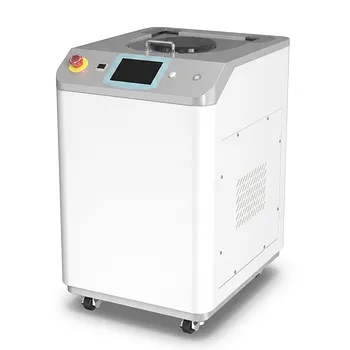
High Viscosity Planetary Centrifugal Mixing and Vacuum Defoaming Machine for Laboratory Material Preparation
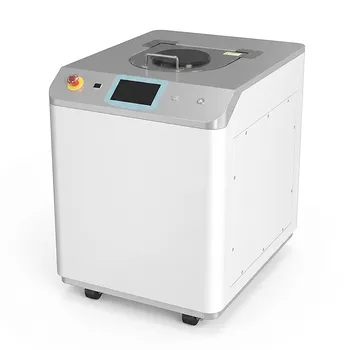
Industrial Planetary Centrifugal Vacuum Defoaming Mixer for High Viscosity Paste and Advanced Material Science
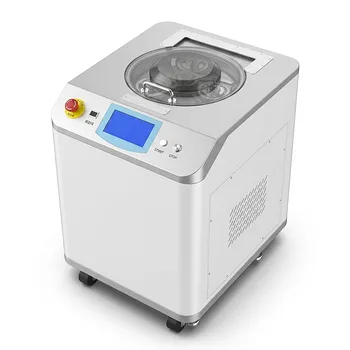
Dual Cup Vacuum Centrifugal Mixer Planetary Paste Defoaming Machine Industrial Material Processor
非介入式材料均质机真空脱泡行星搅拌高粘度混合设备
360° Rotating Omnidirectional Laboratory Planetary Ball Mill for Homogeneous Ultra-Fine Grinding and Mixing
Ultra Centrifugal Mill High Speed Laboratory Grinder for Fibrous and Brittle Sample Preparation
Ultra Centrifugal Mill for Rapid Laboratory Sample Preparation and Fine Powder Grinding
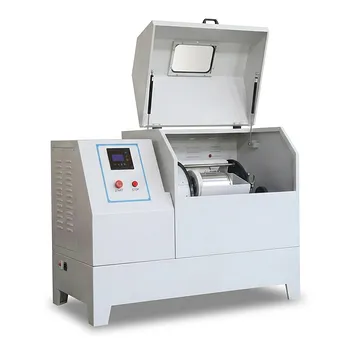
Heavy Duty Horizontal Planetary Ball Mill for Efficient Industrial Grinding and Sample Preparation
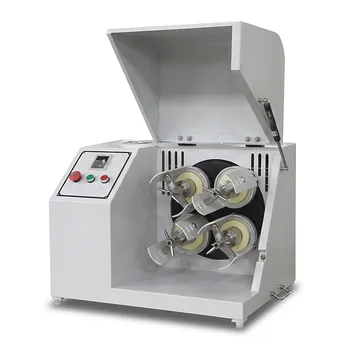
Horizontal Light Duty Planetary Ball Mill for Laboratory Sample Preparation
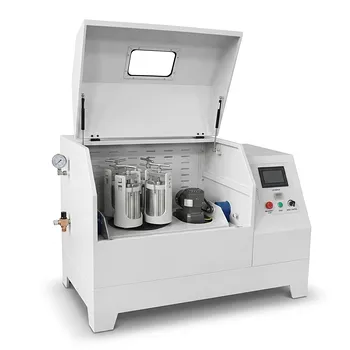
Vertical Production Planetary Ball Mill for High Throughput Powder Processing
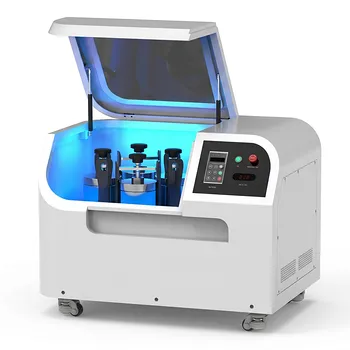
Planetary Ball Mill 12L
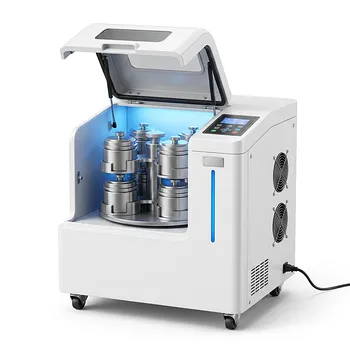
High Energy Omnidirectional Planetary Ball Mill 20L
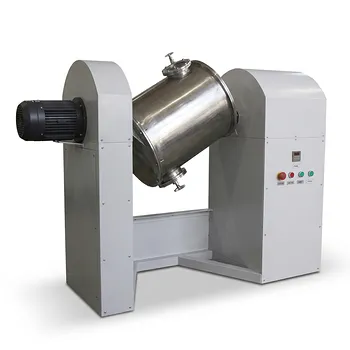
Inclined Mixer for Homogeneous Powder Blending and Grinding
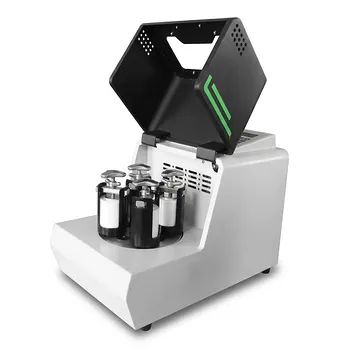
Miniature Planetary Ball Mill with Vacuum Grinding and High Efficiency for Laboratory Sample Preparation
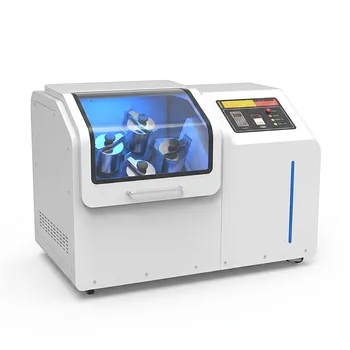
High Energy Omnidirectional Planetary Ball Mill 16L