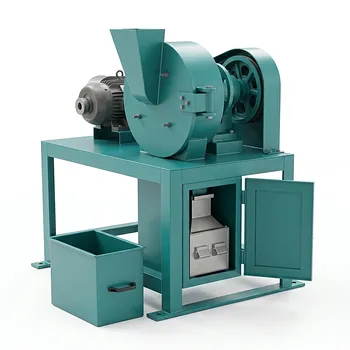
How does a laboratory pulverizer contribute to the pretreatment of gold ore before it enters a ball mill for testing?
Updated 5 months ago
The laboratory pulverizer serves as the critical bridge between primary crushing and fine grinding. It refines gold ore to micron-level sizes to meet the precise feed requirements of a laboratory ball mill. This pretreatment ensures a uniform starting point, which is essential for accurate energy-efficiency calculations and work index determinations.
The core function of a laboratory pulverizer in gold ore pretreatment is to eliminate particle size variability. By creating a uniform, micron-level feed, it allows metallurgists to isolate the relationship between energy input and size reduction, ensuring the integrity of downstream testing.
Achieving Feed Uniformity for Ball Mill Testing
Micron-Level Refinement
While primary crushers reduce large rocks to manageable fragments, the laboratory pulverizer performs the final stage of pre-grind refinement. It reduces the ore to micron-level sizes, ensuring the material is small enough to be effectively processed by the media inside a laboratory ball mill.
Establishing a Controlled Baseline
For testing to be scientifically valid, the initial state of the ore must be controlled and consistent. Pretreatment with a pulverizer ensures that every test sample begins with the same physical characteristics, removing "feed size" as an uncontrolled variable in the experiment.
Impact on Metallurgical Accuracy
Eliminating Grinding Time Bias
Oversized particles in the feed significantly skew grinding time data, as the ball mill must spend extra energy breaking down these outliers. A pulverizer removes these oversized particles, allowing the ball mill to focus entirely on the targeted grinding range.
Enhancing Work Index Reliability
The Bond Work Index is a standard measure of ore hardness and required grinding energy. By providing a uniform feed, the pulverizer clarifies the relationship between energy input and particle size reduction, leading to a much more accurate determination of this critical metric.
Understanding the Trade-offs
The Risk of Over-Grinding
While the goal is to reach a specific feed size, excessive pulverization can lead to over-grinding. If the ore is made too fine before entering the ball mill, it may skip the very size-reduction stages the ball mill is intended to measure, potentially underestimating the energy required for full-scale processing.
Sample Representative Integrity
Using a pulverizer introduces an additional handling step that can risk cross-contamination if equipment is not cleaned rigorously between samples. Furthermore, the high-energy nature of pulverizing can generate heat, which in rare cases may alter the mineralogy of sensitive gold-bearing ores.
Applying Pretreatment to Your Project
How to Apply This to Your Testing Protocol
To ensure your laboratory results translate effectively to full-scale production, choose your pretreatment settings based on your specific analytical needs.
- If your primary focus is Work Index accuracy: Use the pulverizer to strictly adhere to the standard feed size specifications (often -6 mesh or finer) to ensure energy calculations are calibrated correctly.
- If your primary focus is rapid throughput testing: Focus the pulverizer on removing the top-size "nuisance" particles that would otherwise cause inconsistent residence times in the ball mill.
- If your primary focus is minimizing contamination: Ensure the pulverizer uses chrome steel or tungsten carbide components to prevent the introduction of iron or other metals that could interfere with downstream chemical assays.
A precise pretreatment phase ensures that your laboratory ball mill data is a reflection of ore characteristics rather than feed inconsistencies.
Summary Table:
| Feature | Contribution to Pretreatment | Impact on Testing |
|---|---|---|
| Particle Refinement | Reduces ore to micron-level sizes | Ensures feed is compatible with ball mill media |
| Feed Uniformity | Eliminates size variability | Provides a controlled baseline for repeatable results |
| Bias Removal | Eliminates oversized particles | Prevents skewed grinding time and energy data |
| Energy Calibration | Standardizes feed to -6 mesh (typical) | Enables accurate Bond Work Index determinations |
| Material Integrity | Uses specialized liners (WC/Chrome) | Prevents cross-contamination during preparation |
Elevate Your Material Analysis with Precision Sample Prep
Ensure your metallurgical data is a true reflection of ore characteristics by eliminating feed inconsistencies. At [Company Name], we provide complete laboratory sample preparation solutions tailored for material science and gold ore testing.
Our specialized equipment range includes:
- Size Reduction: High-performance jaw/roll crushers, disc mills, planetary ball mills, and jet mills for micron-level refinement.
- Sieving & Mixing: Vibratory/air-jet sieve shakers and high-efficiency powder mixers for sample integrity.
- Compaction & Pressing: A full spectrum of hydraulic presses, including Cold/Warm Isostatic Presses (CIP/WIP), vacuum hot presses, and XRF pellet presses.
- Cryogenic Processing: Liquid nitrogen grinders for temperature-sensitive materials.
Ready to optimize your lab’s workflow and achieve superior accuracy? Contact our technical experts today to find the perfect pulverizing and pressing solution for your project!
References
- E. O. Oji, Y. H. Onymisi. Ddetermination of bond work index of Bagega gold mineral deposit of Zamfara State, Nigeria. DOI: 10.4314/njt.v42i2.12
Mentioned Products
- Laboratory Disc Mill Medium Hard Material Grinding Coal Coke Ore Pulverizer
- Laboratory Disc Pulverizer for Coal Coke Ore and Medium Hard Materials Sample Preparation
- Medium Hardness Material Disc Pulverizer for Coal Ore Sample Preparation
- Micro Solid Sample Grinder High Speed Pulverizer for Laboratory Small Batch Grinding
- Laboratory Disc Mill for Ore and Mineral Sample Preparation
People Also Ask
- What is the primary function of a laboratory disc mill for oyster shells? Boost Reactivity & Analytical Precision
- What is the function of a laboratory mill in Cassia tora L. seed analysis? Master Precision Thermal Data Prep.
- What is the purpose of using a laboratory mill to grind dried precipitates? Optimize TiO2/AuNRs Catalyst Homogeneity
- What role does a laboratory mill play in the study of lignite coal co-combustion? Optimizing Fuel Blends and Reactivity
- What function does a laboratory mill serve in corn starch saccharification experiments? Optimize Surface Area & Reactions

Tech Team · PowderPreparation
Last updated on May 14, 2026
Related Products
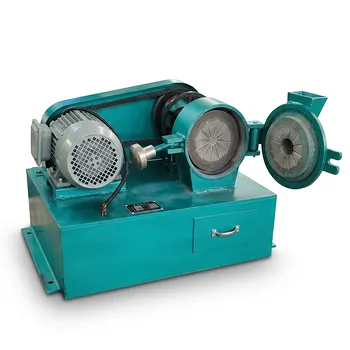
Laboratory Disc Mill Medium Hard Material Grinding Coal Coke Ore Pulverizer
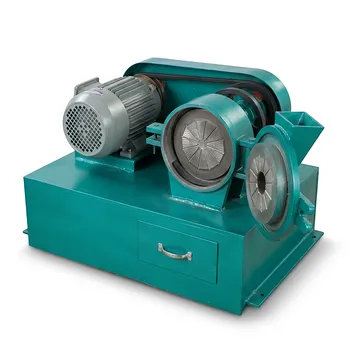
Laboratory Disc Pulverizer for Coal Coke Ore and Medium Hard Materials Sample Preparation
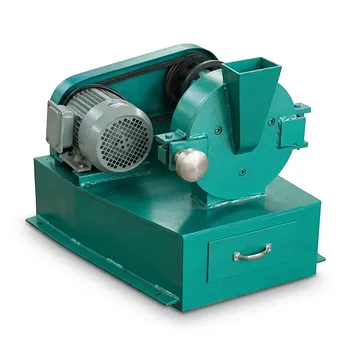
Medium Hardness Material Disc Pulverizer for Coal Ore Sample Preparation
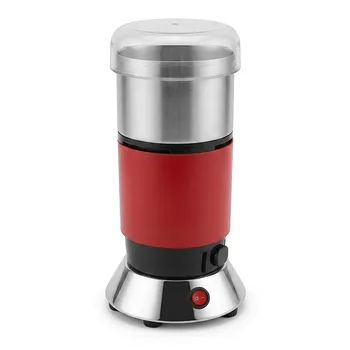
Micro Solid Sample Grinder High Speed Pulverizer for Laboratory Small Batch Grinding
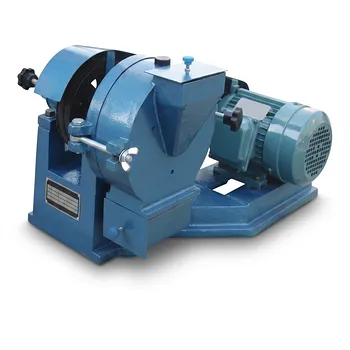
Laboratory Disc Mill for Ore and Mineral Sample Preparation
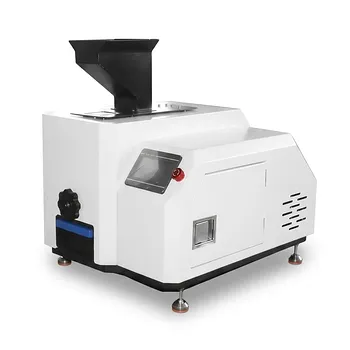
Laboratory Jaw Crusher 2025 Model for Ore and Brittle Material Crushing
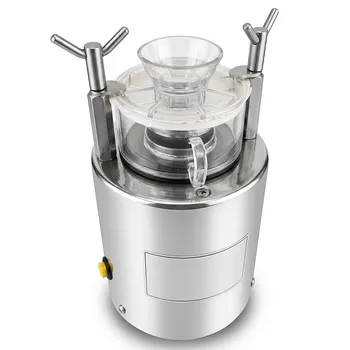
Laboratory Desktop Ultra Fine Powder Grinder High Speed Micronizing Pulverizer
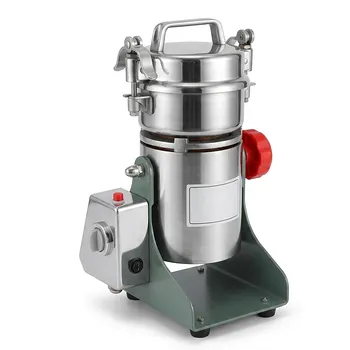
High Speed Swing Type Laboratory Pulverizer for Fine Powder Grinding and Sample Preparation
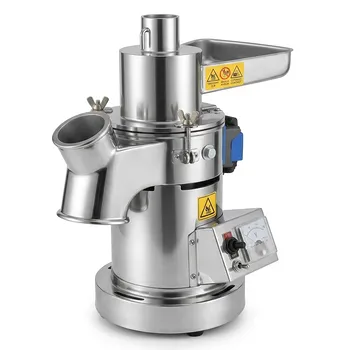
Continuous Feeding Grinder High Efficiency Pulverizer for Lab Sample Preparation
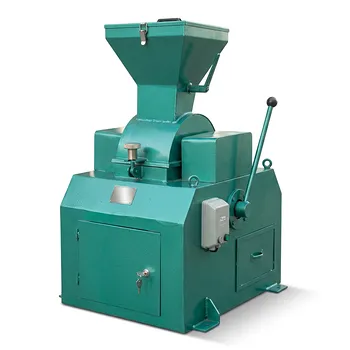
Laboratory Sealed Hammer Blade Crusher Divider for High Hardness Sample Preparation
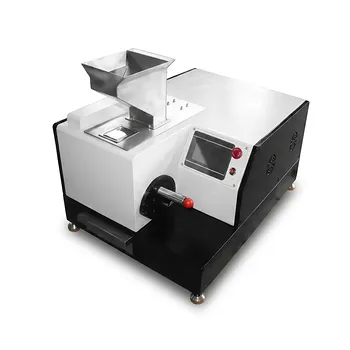
Experimental Jaw Crusher for Laboratory Ore Crushing and Sample Preparation
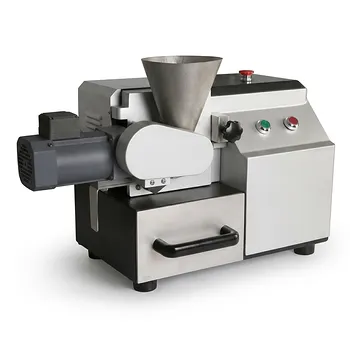
Laboratory Hammer Mill for Coal Quality Analysis and Brittle Mineral Grinding
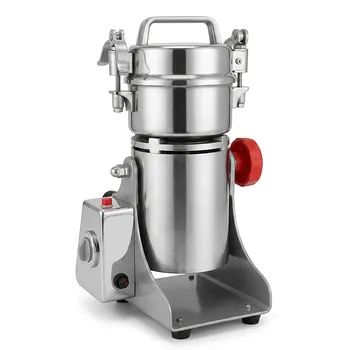
Industrial High Speed Small Sample Pulverizer Swing Type Laboratory Grinder for Powder Processing
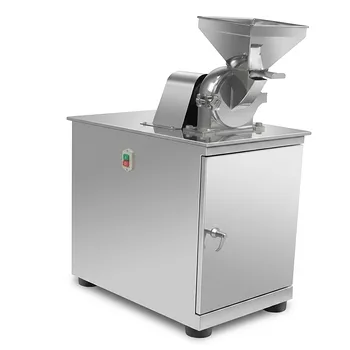
Universal Laboratory Pulverizer Grinder for Small Batch Powder Processing and Material Science Research
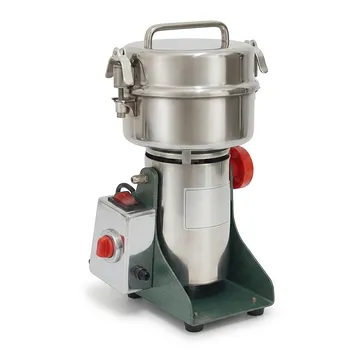
Small High Speed Grinder for Laboratory Sample Preparation
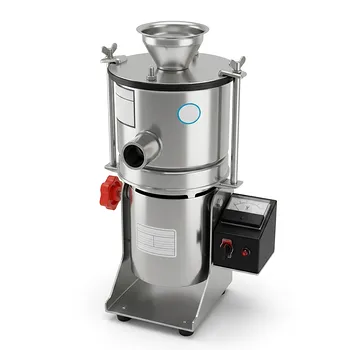
Air Guided Ultrafine Pulverizer High Speed Laboratory Powder Grinder for Chemical and Material Processing
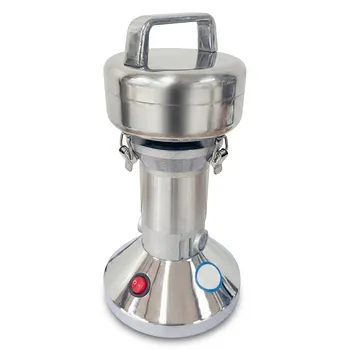
Small Trace Sample High Speed Pulverizer Grinder Laboratory Powder Mill
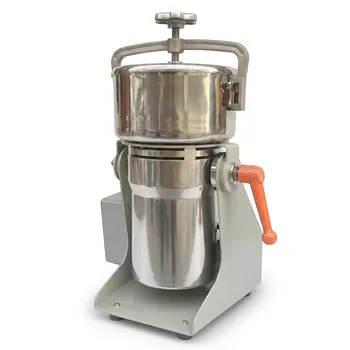
High Speed Laboratory Grinder Efficient Stainless Steel Powder Pulverizer Universal Material Science Mill for Sample Preparation
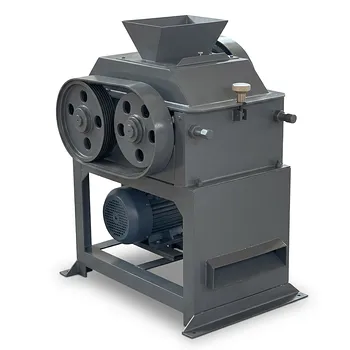
Sealed Laboratory Double Roll Crusher for Coal, Mineral, Ore Sample Preparation