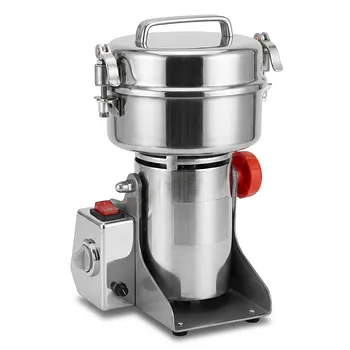
How does a laboratory jet mill function in the processing of crude char into rCB? Master High-Purity Particle Refinement
Updated 4 months ago
The laboratory jet mill transforms crude char into high-performance recovered carbon black (rCB) through high-velocity particle collisions driven by compressed gas. This process uses pressurized air streams to accelerate coarse pyrolysis char within a grinding chamber, forcing particles to impact one another until they reach micron-sized dimensions. By refining the particle size, the mill significantly increases the material's specific surface area, which is vital for its performance as a reinforcing agent in rubber and plastic applications.
The core function of a laboratory jet mill in rCB processing is to achieve ultra-fine particle size reduction without introducing contaminants. By leveraging fluid energy for self-grinding, the mill ensures the rCB reaches the necessary surface area and dispersion characteristics required for high-grade industrial reuse.
The Mechanics of Fluid Energy Milling
High-Speed Kinetic Energy
The process begins by introducing crude char into a chamber where high-pressure air or inert gas is injected through specialized nozzles. These jets create a high-velocity vortex that accelerates the char particles to near-sonic speeds.
Particle-on-Particle Attrition
Unlike traditional mills that use heavy balls or rotors, a jet mill relies on autogenous grinding. The size reduction occurs exclusively through high-impact collisions between the char particles themselves, which prevents the introduction of foreign materials from grinding media.
Precision Size Classification
As particles are reduced in size, centrifugal forces and airflow patterns act as a natural classifier. Finer particles move toward the center of the chamber for discharge, while heavier, coarse particles are thrown back into the high-speed air streams for further grinding.
Impact on Recovered Carbon Black Quality
Maximizing Specific Surface Area
The primary goal of processing char is to increase its specific surface area. A laboratory jet mill can refine material down to a d97 of less than 3–10 µm, exposing more surface area for chemical bonding in downstream applications.
Enhancing Dispersion Stability
For rCB to effectively reinforce rubber, it must be distributed evenly throughout the matrix. The fine, uniform particle size distribution produced by the jet mill prevents clumping and improves dispersion, leading to more predictable mechanical properties in the final product.
Maintaining Material Purity
Because the mill has no moving parts or grinding media, it is ideal for maintaining the high-purity standards required in laboratory research. This "media-free" environment ensures that the chemical signature of the recovered carbon black remains untainted by wear from the equipment.
Understanding the Trade-offs
Energy Intensity vs. Precision
While jet mills provide unmatched precision and fineness, they are highly energy-intensive compared to mechanical grinders. The cost of generating compressed air makes this technology more suitable for high-value rCB formulations rather than low-grade filler production.
Throughput and Scalability
Laboratory-scale units are designed for small-batch processing and formulation development. While they excel at proving a concept or refining high-purity samples, transitioning to industrial-scale production requires significantly larger infrastructure and specialized cooling systems to manage the compressed air.
Handling Heat-Sensitive Materials
Jet milling is naturally cool-running because the expansion of compressed air absorbs heat. This makes it an excellent choice for char that may contain residual volatiles, though it requires careful management of dust and fine particulates to ensure safety.
Optimizing Your rCB Processing Strategy
Choosing the right approach for carbon black recovery depends on your specific performance requirements and material goals.
- If your primary focus is high-reinforcement rubber: Use the jet mill to target a sub-10-micron particle size to maximize the interaction between the rCB and the polymer chains.
- If your primary focus is material purity and research: Leverage the autogenous nature of the jet mill to eliminate contamination risks associated with ball mills or hammer mills.
- If your primary focus is minimizing operational costs: Consider pre-grinding the crude char with mechanical methods before using the jet mill for final refinement to reduce the total air consumption.
The laboratory jet mill remains the definitive tool for converting crude pyrolysis byproducts into high-value, functional recovered carbon black.
Summary Table:
| Feature | Mechanism | Impact on rCB Quality |
|---|---|---|
| Fluid Energy | High-velocity gas vortex | Accelerates particles to near-sonic speeds |
| Autogenous Grinding | Particle-on-particle collisions | Ensures zero contamination from grinding media |
| Classification | Centrifugal force sorting | Achieves uniform sub-10 µm (d97) sizing |
| Thermal Control | Air expansion cooling | Preserves heat-sensitive volatiles in the char |
Elevate Your Material Research with Precision Powder Solutions
Are you looking to transform pyrolysis byproducts into high-value recovered carbon black? At the intersection of material science and engineering, we provide complete laboratory sample preparation solutions tailored for high-performance results.
From initial crude char reduction using our heavy-duty jaw and roll crushers to ultra-fine refinement with our laboratory jet mills, we ensure your materials reach optimal surface area and purity. Our extensive equipment line also includes planetary ball mills, liquid nitrogen cryogenic grinders, and vibratory sieve shakers to refine your powder processing workflow. For downstream testing, we manufacture a full spectrum of hydraulic presses, including Cold/Warm Isostatic Presses (CIP/WIP), hot presses, and XRF pellet presses.
Ready to optimize your rCB processing? Contact us today to discuss how our specialized equipment can enhance your laboratory's efficiency and product quality.
References
- Sebastian Bogdahn, Danka Katrakova-Kr黦er. Production and Characterization of Recovered Carbon Black (rCB) by Waste Tire Pyrolysis as a Potential Carbon Black (CB) Substitute. DOI: 10.70322/amsm.2025.10007
Mentioned Products
- Laboratory Classification Jet Mill for Ultrafine Powder Grinding
- Benchtop Micro Air Jet Mill for Ultrafine Grinding of High Value Powders
- Small Airflow Ultra-Fine Grinder for Laboratory Sample Preparation
- High Speed Air Induced Ultrafine Pulverizer Laboratory Superfine Powder Mill for Pharmaceutical and Material Science Sample Preparation
- Laboratory Disc Mill Medium Hard Material Grinding Coal Coke Ore Pulverizer
People Also Ask
- Why is secondary jet milling necessary for products processed through HME? Achieve Precision for Inhalation Delivery
- What are the advantages of using a jet mill compared to a ball mill for Sm-Co magnets? Purity vs. Performance
- What are the advantages of a jet mill vs. a ball mill for high-purity ceramics? Achieve superior purity and precision.
- Why is a jet mill used for the co-milling of inhalable Itraconazole microparticles? Optimize Pulmonary Drug Delivery
- How does jet milling achieve particle size reduction for wheat powder? Explore Cold-Process Micron Precision

Tech Team · PowderPreparation
Last updated on Jun 03, 2026
Related Products
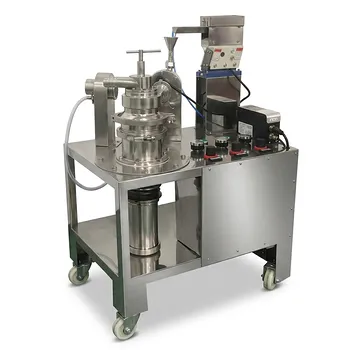
Laboratory Classification Jet Mill for Ultrafine Powder Grinding
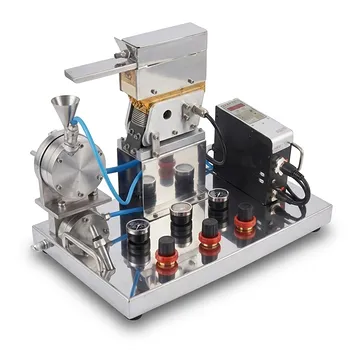
Benchtop Micro Air Jet Mill for Ultrafine Grinding of High Value Powders
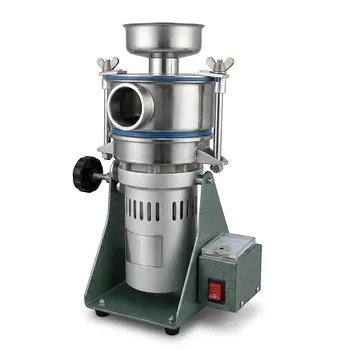
Small Airflow Ultra-Fine Grinder for Laboratory Sample Preparation
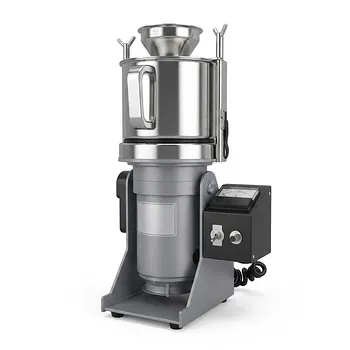
High Speed Air Induced Ultrafine Pulverizer Laboratory Superfine Powder Mill for Pharmaceutical and Material Science Sample Preparation
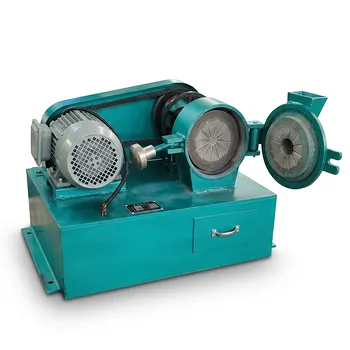
Laboratory Disc Mill Medium Hard Material Grinding Coal Coke Ore Pulverizer
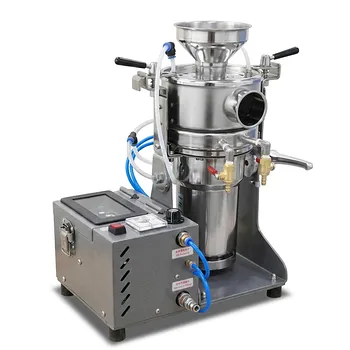
Water Cooled Pulse Jet Ultrafine Grinder
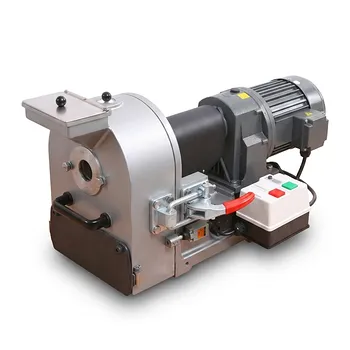
Laboratory Disc Mill for Fine Sample Preparation of Hard and Brittle Materials
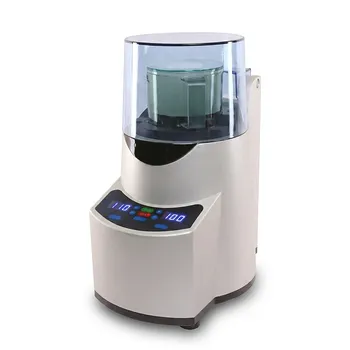
High Speed Laboratory Knife Mill for Oily Fibrous and Wet Sample Homogenization
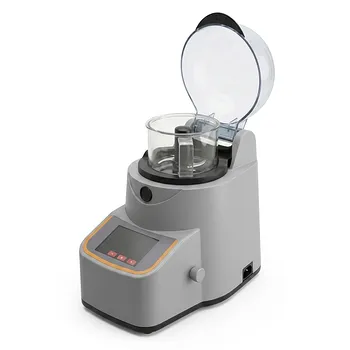
Industrial Knife Mill for Food and Biological Sample Preparation High Speed Laboratory Homogenizer
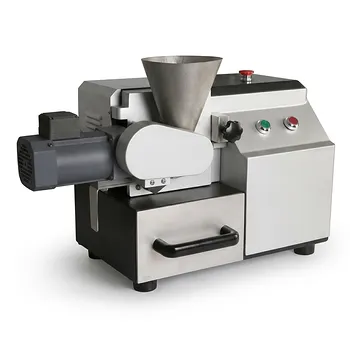
Laboratory Hammer Mill for Coal Quality Analysis and Brittle Mineral Grinding
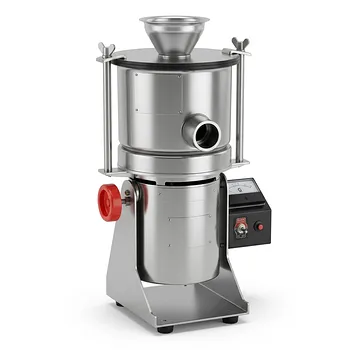
Laboratory Ultrafine Impact and Airflow Grinder for Precise Particle Size Control
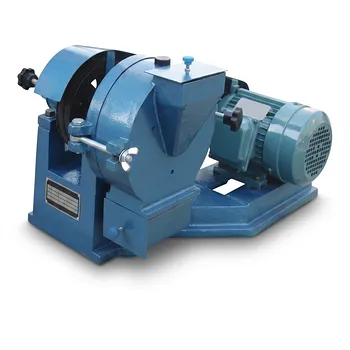
Laboratory Disc Mill for Ore and Mineral Sample Preparation
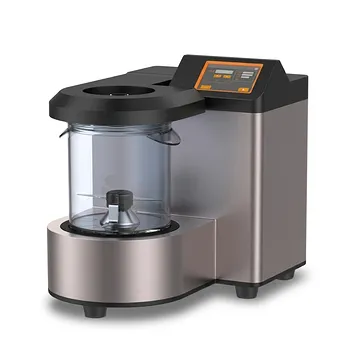
Laboratory Knife Mill for Large Volume Sample Homogenization and Food Preparation
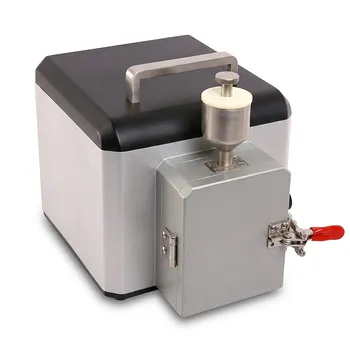
Portable Cutting Mill for Laboratory Sample Preparation and RoHS WEEE Compliance Testing
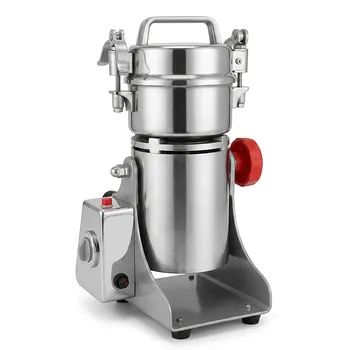
Industrial High Speed Small Sample Pulverizer Swing Type Laboratory Grinder for Powder Processing
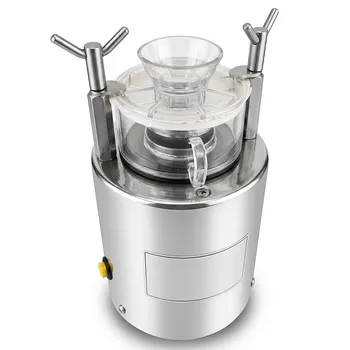
Laboratory Desktop Ultra Fine Powder Grinder High Speed Micronizing Pulverizer
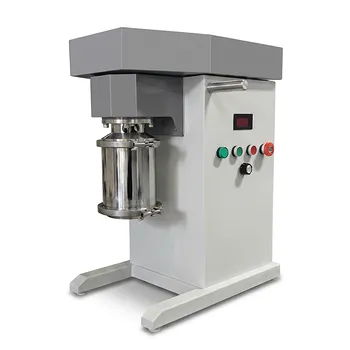
Nano Laboratory Bead Mill Desktop Sub Micron Sand Mill Screenless Seal Less Powder Grinder
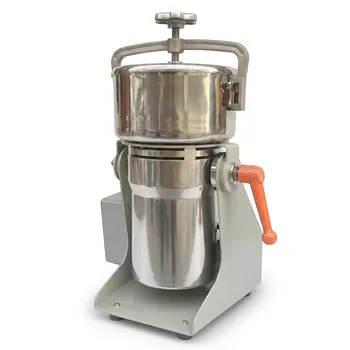
High Speed Laboratory Grinder Efficient Stainless Steel Powder Pulverizer Universal Material Science Mill for Sample Preparation
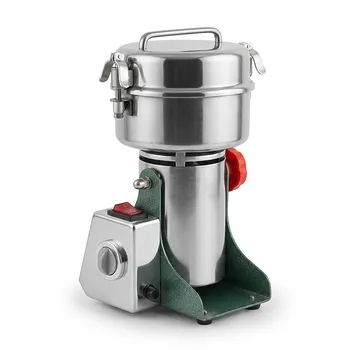
Small High-Speed Swing Grinder for Laboratory Sample Preparation