How do high-hardness ceramic balls compare to traditional steel balls in magnetite grinding? Boost Process Efficiency
Updated 3 months ago
High-hardness ceramic balls outperform traditional steel balls in magnetite grinding by leveraging superior wear resistance and a more efficient grinding mechanism. While steel relies on high-impact force, ceramic media utilizes its higher surface hardness (Mohs 9.0) to facilitate attrition grinding. This shift results in significantly lower media consumption rates and improved performance when processing fine-grade magnetite.
Ceramic balls provide a durable, high-frequency grinding alternative to steel, shifting the process from impact-heavy breakage to attrition-based refining to improve efficiency in fine-grade magnetite applications.
Hardness and Wear Resistance
Superior Surface Hardness
High-hardness ceramic balls, primarily composed of alumina and silica, reach a Mohs hardness of up to 9.0. This is significantly higher than standard steel balls, allowing the media to maintain its integrity against abrasive magnetite ore.
Impact on Media Longevity
Because of their high surface hardness, ceramic balls offer superior wear resistance. This reduces the frequency of media charging and minimizes the contamination of the slurry with metallic wear debris.
Grinding Mechanics and Efficiency
Shifting from Impact to Attrition
Traditional steel balls rely on their high density to break ore through high-energy impact. Ceramic media shifts the mechanism toward attrition grinding, which is often more efficient for achieving the fine particle sizes required in magnetite processing.
Increased Collision Frequency
Because ceramic is less dense than steel, an equivalent loading weight contains a higher number of media units. This increase in units leads to a higher effective collision frequency, providing more contact points to grind the ore.
Understanding the Trade-offs
The Density Differential
The lower density of ceramic balls means they lack the individual kinetic energy of steel balls. This makes them less effective for coarse-stage grinding where heavy impact is necessary to break down large ore chunks.
Application Specificity
Ceramic media is specifically optimized for fine-grade magnetite. In primary grinding stages with large feed sizes, the ceramic balls may lack the "crushing power" provided by the mass of traditional steel.
Strategic Implementation for Magnetite Processes
To determine if ceramic media is right for your operation, consider your specific production stage and throughput goals.
- If your primary focus is fine-grade recovery: Ceramic balls are the superior choice as they enhance attrition grinding and improve the liberation of fine particles.
- If your primary focus is reducing operational media costs: Ceramic media offers a longer service life in abrasive environments, reducing the total tonnage of media consumed over time.
- If your primary focus is high-impact primary grinding: Traditional steel balls remain more effective due to their higher density and ability to break large feed sizes.
Transitioning to high-hardness ceramic media represents a move toward precision and durability in the final stages of magnetite refinement.
Summary Table:
| Feature | High-Hardness Ceramic Balls | Traditional Steel Balls |
|---|---|---|
| Hardness (Mohs) | ~9.0 (Superior) | ~5.0 - 6.5 (Standard) |
| Grinding Mechanism | Attrition-based (Refining) | Impact-based (Breakage) |
| Wear Resistance | Extremely High | Moderate to Low |
| Density | Lower (Higher collision frequency) | Higher (Greater kinetic energy) |
| Ideal Application | Fine-grade magnetite recovery | Coarse-stage primary grinding |
| Media Consumption | Significantly lower | Higher due to metallic wear |
Optimize Your Material Processing with Precision Engineering
Achieving the perfect particle size distribution requires the right combination of media and machinery. At [Company Name], we provide complete laboratory sample preparation solutions for material science, specializing in high-performance powder processing and compaction equipment.
Whether you are refining magnetite or developing advanced ceramics, our extensive product line is designed to enhance your lab's efficiency:
- Advanced Milling: Planetary ball mills, jet mills, and cryogenic grinders for ultra-fine results.
- Preparation Equipment: High-durability jaw/roll crushers and vibratory sieve shakers.
- Precision Compaction: A full spectrum of hydraulic presses, including Cold/Warm Isostatic Presses (CIP/WIP), hot presses, and XRF pellet presses.
- Mixing Solutions: Professional powder and vacuum defoaming mixers.
Ready to reduce media consumption and improve your grinding precision? Contact our technical experts today to find the ideal equipment solution for your specific application requirements.
References
- Chengfang Yuan, Jingkun Tian. Ceramic Grinding Kinetics of Fine Magnetite Ores in the Batch Ball Mill. DOI: 10.3390/min13091188
Mentioned Products
- Vertical Nano Bead Mill for Ceramic Materials with Permanent Magnet Motor and High Efficiency Grinding
- Vertical Semi Circular Planetary Ball Mill for Laboratory Precision Grinding
- Heavy Duty Horizontal Planetary Ball Mill for Efficient Industrial Grinding and Sample Preparation
- High Energy Laboratory Planetary Ball Mill for Nano Grinding and Material Science Sample Preparation
- Vertical Square Planetary Ball Mill for Laboratory Sample Preparation and Nanoscale Grinding
People Also Ask
- What role does a vertical bead mill play in the preparation of pharmaceutical nanocrystals? Enhance Bioavailability
- Why is it necessary to precisely control the grinding media loading ratio? Master Nanosuspension Yield & API Stability
- How does the bead filling rate affect the grinding performance and equipment wear in a bead mill? Optimization Guide
- Why is an external cooling circulation system necessary during the high-speed operation of a bead mill? Protect Integrity
- Why is a ceramic lining preferred over stainless steel for a bead mill? Protect Enzymes and Ensure Biomass Purity

Tech Team · PowderPreparation
Last updated on Jun 03, 2026
Related Products
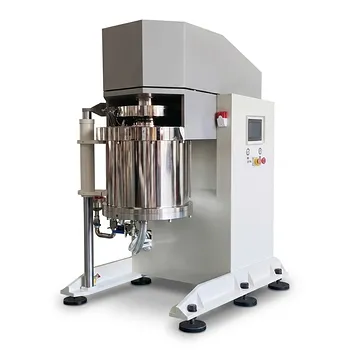
Vertical Nano Bead Mill for Ceramic Materials with Permanent Magnet Motor and High Efficiency Grinding
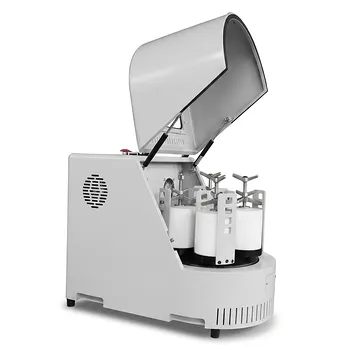
Vertical Semi Circular Planetary Ball Mill for Laboratory Precision Grinding
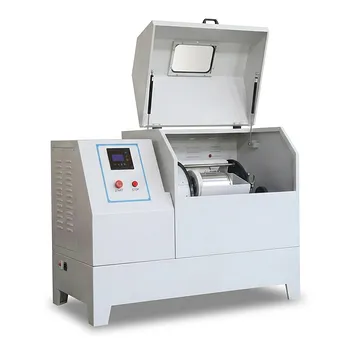
Heavy Duty Horizontal Planetary Ball Mill for Efficient Industrial Grinding and Sample Preparation
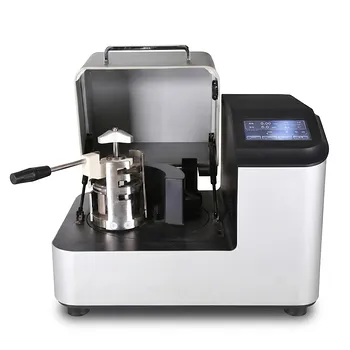
High Energy Laboratory Planetary Ball Mill for Nano Grinding and Material Science Sample Preparation

Vertical Square Planetary Ball Mill for Laboratory Sample Preparation and Nanoscale Grinding
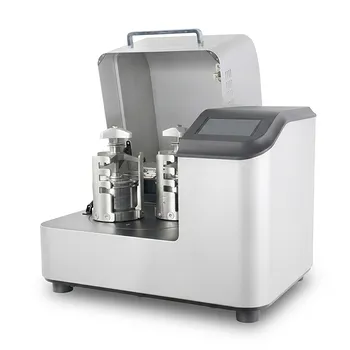
High Energy Planetary Ball Mill for Nano Scale Grinding and Mechanical Alloying
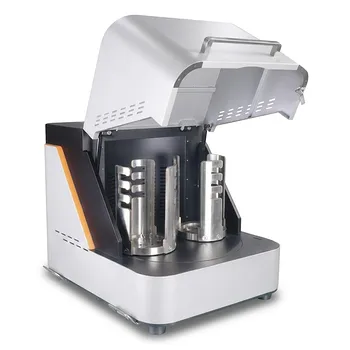
High Energy Laboratory Planetary Ball Mill for Nano Grinding and Colloidal Mixing of Hard and Brittle Materials
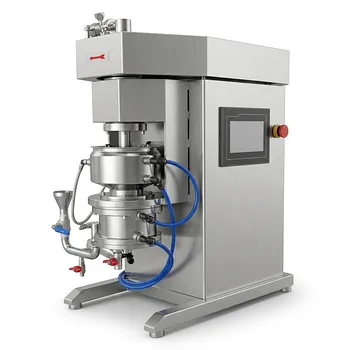
Small Ceramic Structure Laboratory Sand Mill Nanoscale Grinding Dispersion Equipment Seal-less Screen-less Design
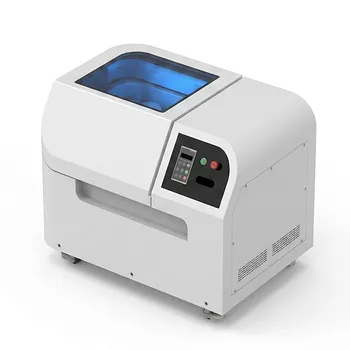
8L Planetary Ball Mill for Laboratory Grinding and Sample Preparation
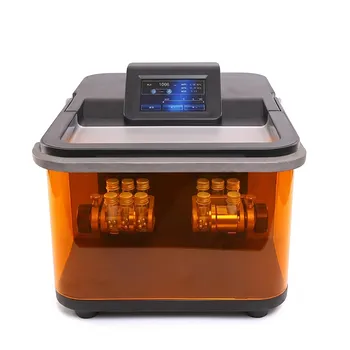
High Throughput Micro Ball Mill for Cryogenic Grinding and Laboratory Cell Disruption

360° Rotating Omnidirectional Laboratory Planetary Ball Mill for Homogeneous Ultra-Fine Grinding and Mixing

Miniature Planetary Ball Mill with Vacuum Grinding and High Efficiency for Laboratory Sample Preparation