The Last Mile in Particle Preparation: What Eggshells Reveal About the Psychology of Material Science
May 15, 2026
The Experiment That Kept Failing
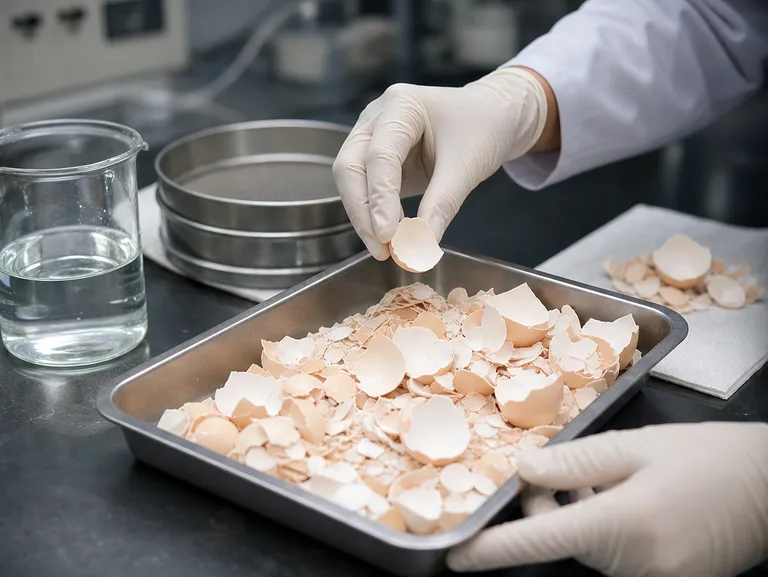
A PhD student once described her frustration with eggshells. She needed a consistent biosorbent for lead removal, yet every batch of powder behaved differently. Some adsorbed beautifully. Others did almost nothing. She had calibrated her pH, controlled her temperature, and remixed her stock solution countless times.
She never suspected the problem lived far upstream—in the violent, split-second moment a brittle shell became a cloud of powder.
This is a story about the psychology of preparation. We get lost in the final magic: the nano-scale interaction, the high-energy milling, the isostatic pressing of advanced ceramics. But great material science is built on unglamorous, foundational acts. The most important variable in your research might be the step you never wanted to think about.
Eggshells teach this lesson with perfect clarity. And a high-speed laboratory pulverizer is the teacher.
The Unforgiving Architecture of a Shell
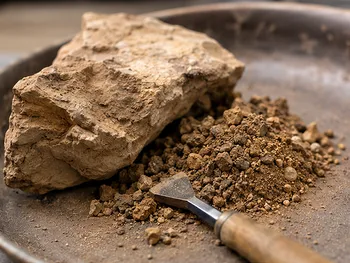
Eggshells are not simple chalk. They are a biocomposite masterpiece: a mineralized calcium carbonate matrix laced with tough organic protein fibers. This structure evolved to protect an embryo. It resists fracture, absorbs shock, and clings to its internal membrane.
When we try to turn that shell into a functional powder, we are not just breaking a material. We are systematically dismantling millions of years of evolutionary engineering.
A mortar and pestle will not do it.
A kitchen blender will not do it.
Those tools produce chaotic fragmentation. They generate broad particle size distributions and uneven surface exposure. They leave internal micropores locked away. They leave your data hostage to randomness.
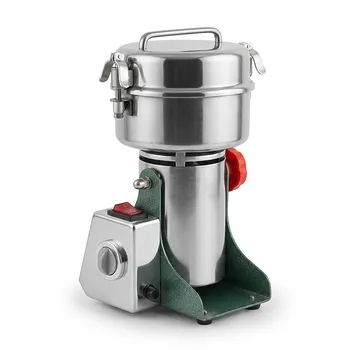
The mechanical heart of controlled destruction is a high-speed pulverizer that operates on a completely different principle.
Why Velocity Matters More Than Force
A laboratory high-speed pulverizer typically rotates at speeds approaching 20,000 revolutions per minute. The physics here is not about slow compression. It is about high-frequency impact and shear.
Every eggshell fragment that meets the rotor experiences a cascade of micro-fractures. The energy is so intense that it overwhelms the organic–mineral interface. This does two things simultaneously:
- It defeats structural integrity. The calcified matrix, which resists a simple hammer blow, simply cannot absorb kinetic energy delivered over microseconds without shattering.
- It performs a kind of exposure surgery. By breaking the shell fragments in this violent, controlled way, the pulverizer peels back the outer layers and reveals the delicate internal microporous structure that is the true prize in biosorption research.
The mechanism is a prelude to true functionality.
A New Surface for Every Particle
Think of an eggshell fragment as a room. The coarser pieces close most of the doors and windows. High-speed pulverization blows the walls open.
From a physical standpoint, the pulverizer delivers a massive increase in specific surface area. Micron-sized particles present orders of magnitude more reactive sites than visible fragments. For a researcher depending on lead or zinc ion adsorption, this surface area is not a check-box metric; it is the variable that determines whether an experiment succeeds.
But here is where the psychology of overconfidence appears. Researchers sometimes assume that a high-speed pulverizer is “crushing the shell small enough.” That assumption ignores the profound structural transformation happening inside the machine.
The Pretreatment Paradox
The real engineering insight is counterintuitive: a high-speed pulverizer is almost never the final step. It is the essential pretreatment gateway.
Raw eggshells are irregular, often moist, and gummed with membrane. If you feed them directly into an ultrafine mill—a planetary ball mill or a jet mill—you risk clogging, uneven feeding, thermal degradation, and catastrophic loss of efficiency. The pulverizer solves this by transforming an unwieldy biological waste into a uniform, free-flowing precursor.
The following table makes the functional logic concrete.
| Biological Challenge | Mechanical Function of Pulverizer | Downstream Benefit |
|---|---|---|
| Moist, fibrous membrane | High-shear tearing and drying optimization | Uniform heat transfer; no mill clogging |
| Irregular, large fragments | Micron-level size reduction | Meets feed specifications for ultrafine grinding |
| Hidden internal pores | Exposure via impact fracture | Massive boost in heavy-metal adsorption |
| Protein–mineral binding | Destruction of organic–mineral interface | Cleaner surfaces for chemical activation |
| Agglomeration tendency | Disaggregation and pre-dispersion | Homogeneous blending for composites or pellets |
This is not just a comminution step. It is a structural activation protocol.
Beyond the Single Machine: The Full Sample Preparation Ecosystem
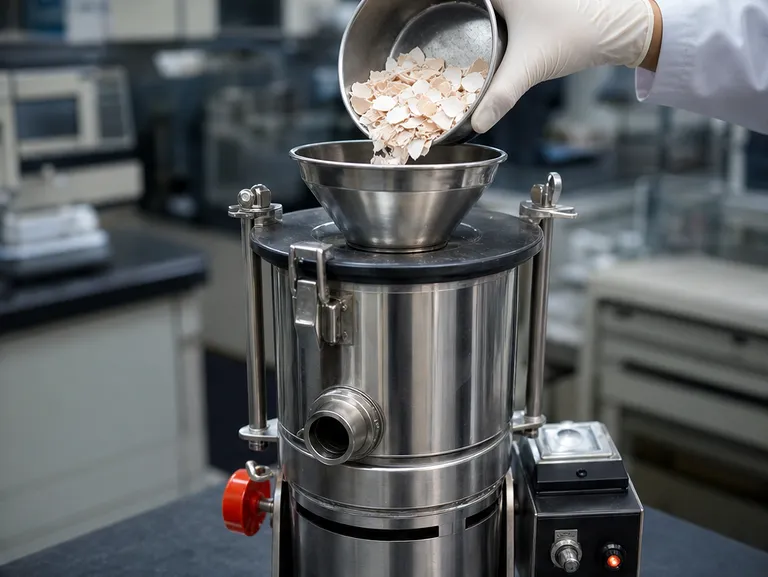
Once you accept that sample preparation is a system rather than a device, your expectations shift. The high-speed pulverizer stops being a magical solution and becomes what it really is: one engineered node in a sequence that demands equal precision before and after.
Consider the complete life cycle of a research-grade eggshell sample. It rarely starts inside a pulverizer. Often, you must first handle bulk eggshell collection. Hard, thick shells can damage delicate mill internals. A jaw crusher or roll crusher becomes the first disciplined act, reducing the feedstock to manageable, uniform fragments. That act alone eliminates a major source of operator error.
After the high-speed pulverizer delivers your micron-sized powder, the journey continues:
- Ultrafine Grinding: A planetary ball mill, a jet mill, or a liquid nitrogen cryogenic grinder takes the powder down to the sub-micron or nanometer scale—if that is what your biosorption kinetics require. The pulverizer guarantees the feed particle size distribution that keeps these high-energy mills efficient and safe.
- Classification: Vibratory sieve shakers and air-jet sieve systems permit absolute particle size control. This is where you cut off oversized grains that would ruin a polymer composite film or a pressed pellet.
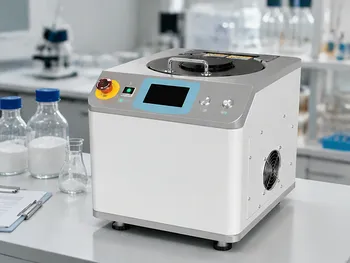
- Blending and Defoaming: When eggshell powder is mixed into a biomaterial or an adhesive, a high-efficiency powder mixer or a defoaming mixer eliminates agglomerates and air voids. A brilliant surface area means nothing if the powder cannot disperse.
- Compaction and Pressing: For XRF analysis or for sintering studies, a hydraulic press—perhaps an XRF pellet press or even a warm isostatic press—consolidates that meticulously engineered powder into a durable, analytically perfect disc.
The psychology of material science often pulls us toward the shiniest endpoint. We want the vacuum hot press. We want the nanometer. We forget that the hot press cannot fix a cracked precursor. It only amplifies what came before.
Engineering Your Own Protocol
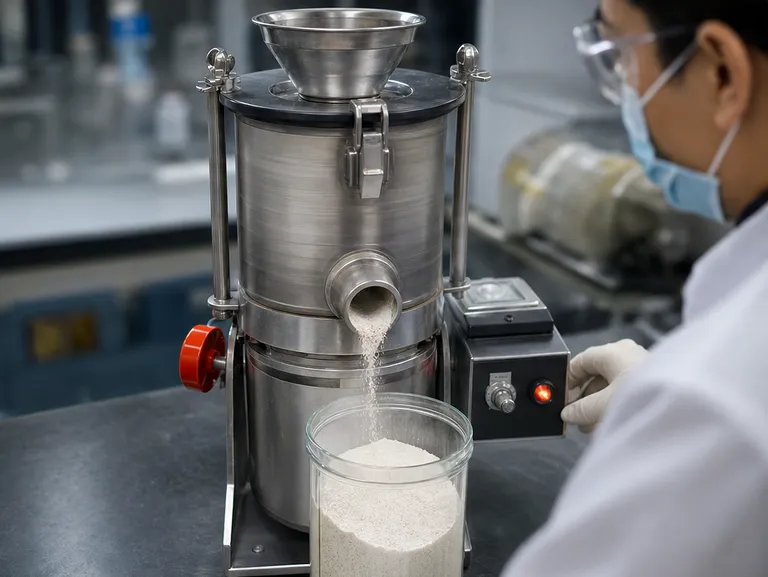
Successful sample preparation depends on aligning the pulverization step with a clear material goal. The eggshell powder that excels at heavy-metal biosorption is not the same powder you need for a food additive study.
If your target is adsorption…
Prioritize high rotational speeds and short, sharp pulses. Maximize micropore exposure and surface activation. Monitor temperature carefully, because burned proteins cost you adsorption sites.
If your target is ultrafine or nano-grade powder…
Design the pulverizer as a pre-grinding stage only. Aim for a tight micron range that feeds your jet mill or planetary ball mill without waste. The pulverizer becomes a tool of efficiency, not final specification.
If your target is nutritional analysis or bio-composites…
Temperature control is non-negotiable. The eggshell membrane is biologically active and sensitive. Use intermittent pulverization and ensure the milling chamber is scrupulously clean. Your data will reflect the discipline you impose here.
The View from the Lab
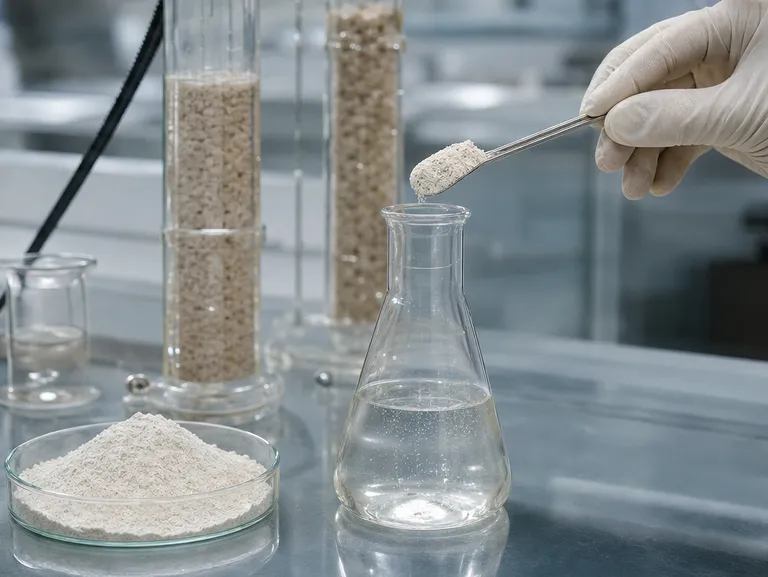
There is an engineerʼs romance hidden inside a destroyed eggshell. It is the recognition that a material, no matter how humble, can be systematically rebuilt into something of extraordinary value—provided we respect the physics of every intermediate step.
The powder you analyze next week is not just a pile of calcium carbonate. It is the cumulative consequence of your crushing strategy, your classification choice, your ability to control shear and heat. It is the honest output of a preparation ecosystem.
When we supply complete laboratory solutions for material science—from jaw crushers and high-speed pulverizers to planetary ball mills, liquid nitrogen grinders, sieve shakers, and the full spectrum of hydraulic presses including cold isostatic and XRF pellet models—we are not merely shipping hardware. We are helping you design a reproducible, disciplined sequence that treats raw shells as an engineering precursor, not a waste problem.
That is the difference between chasing data and owning it. The eggshell has done its job. The rest is up to how you prepare it.
Quick Links
Suggested Products
Air Guided Ultrafine Pulverizer High Speed Laboratory Powder Grinder for Chemical and Material Processing High Speed Swing Type Laboratory Pulverizer for Fine Powder Grinding and Sample Preparation Industrial High Speed Small Sample Pulverizer Swing Type Laboratory Grinder for Powder Processing Micro Solid Sample Grinder High Speed Pulverizer for Laboratory Small Batch Grinding High Speed Laboratory Grinder Efficient Stainless Steel Powder Pulverizer Universal Material Science Mill for Sample PreparationFurther Reading
The Micrometer Trigger: Why a Laboratory Powder Mixer Defines Effervescent Tablet Success The 50-Micron Bridge: How Precision Grinding Transforms Soil from Geological Chaos into Chemical Truth The Particle's Edge: How Powder Refinement Determines the Survival of Ceramic Armor The Invisible Flaw That Dooms Coatings: How Powder Homogeneity Shapes Cold Spray Performance The Crack in the Crucible: A Systems Approach to Perfect Bismuth Ferrite Targets and the Hidden Physics of Powder Compaction
PowderPreparation
Last updated on May 14, 2026
Related Products
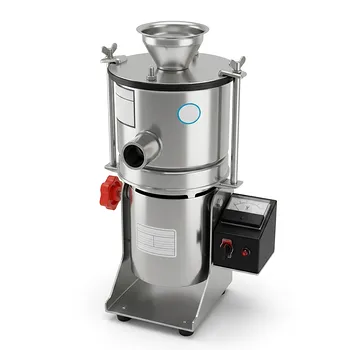
Air Guided Ultrafine Pulverizer High Speed Laboratory Powder Grinder for Chemical and Material Processing
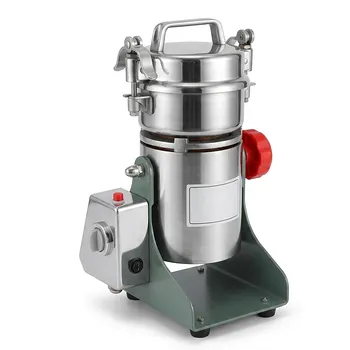
High Speed Swing Type Laboratory Pulverizer for Fine Powder Grinding and Sample Preparation
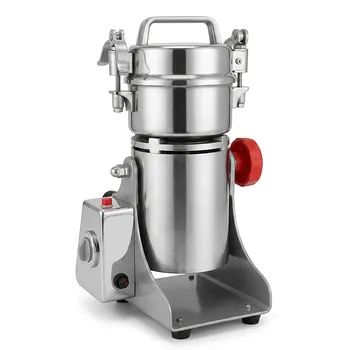
Industrial High Speed Small Sample Pulverizer Swing Type Laboratory Grinder for Powder Processing
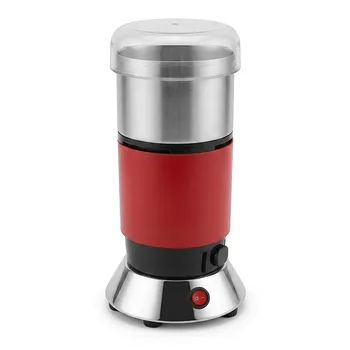
Micro Solid Sample Grinder High Speed Pulverizer for Laboratory Small Batch Grinding
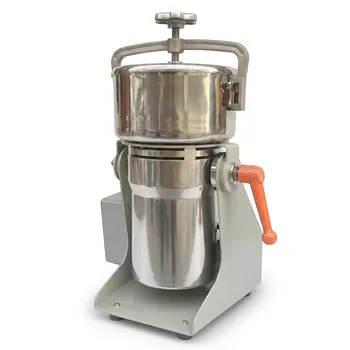
High Speed Laboratory Grinder Efficient Stainless Steel Powder Pulverizer Universal Material Science Mill for Sample Preparation
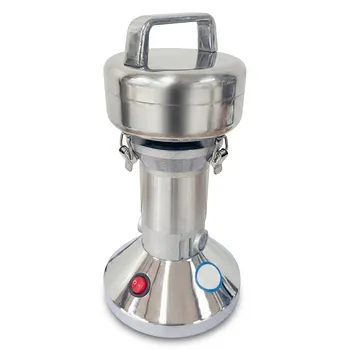
Small Trace Sample High Speed Pulverizer Grinder Laboratory Powder Mill
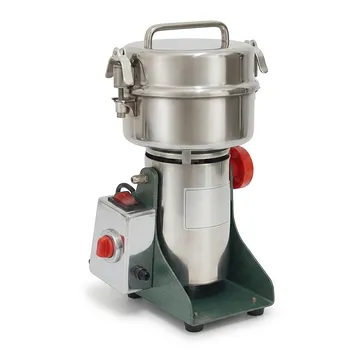
Small High Speed Grinder for Laboratory Sample Preparation
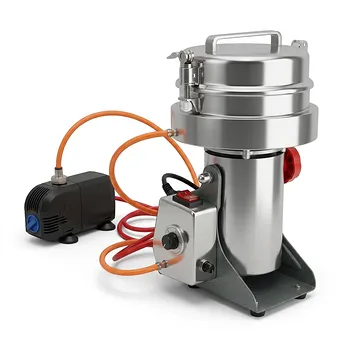
Water Cooled High Speed Grinder with Cryogenic Option for Laboratory Sample Preparation
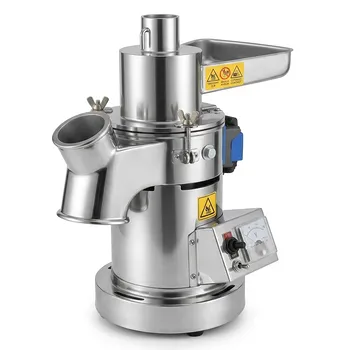
Continuous Feeding Grinder High Efficiency Pulverizer for Lab Sample Preparation
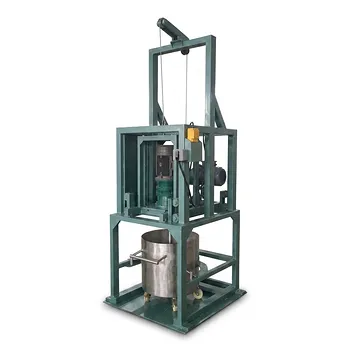
High-Speed Simple Disperser for Efficient Mixing, Dispersion, and Emulsification
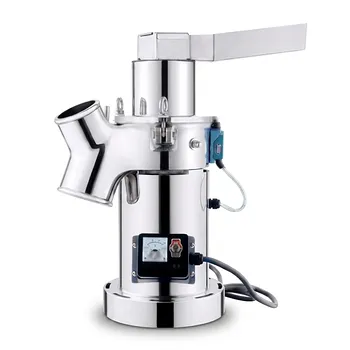
Airflow Ultrafine Pulverizer for Laboratory Ultra-fine Grinding
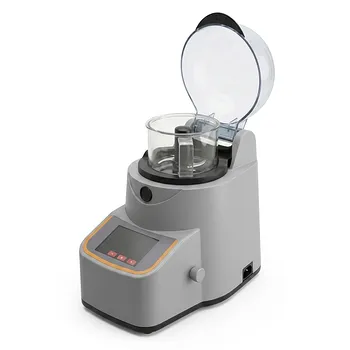
Industrial Knife Mill for Food and Biological Sample Preparation High Speed Laboratory Homogenizer
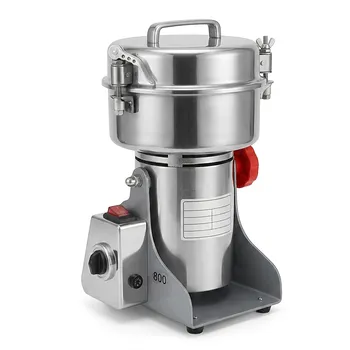
Small High-Speed Laboratory Grinder for Rapid Sample Preparation
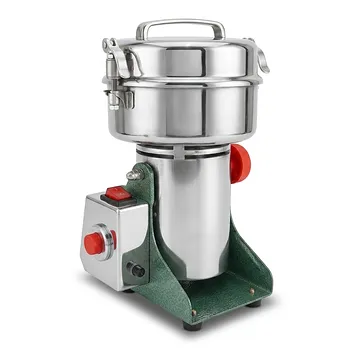
Small High-Speed Laboratory Grinder for Powder Processing
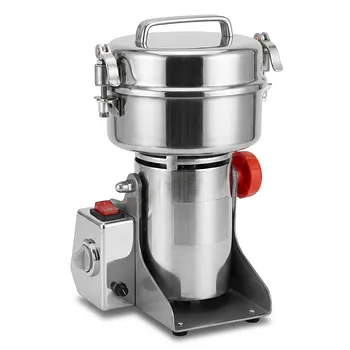
High Speed Laboratory Powder Grinder Small Batch Sample Preparation Mill
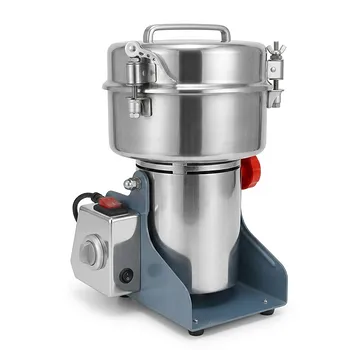
Small High-Speed Grinder for Efficient Laboratory Sample Preparation
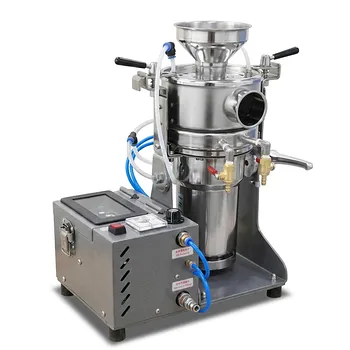
Water Cooled Pulse Jet Ultrafine Grinder
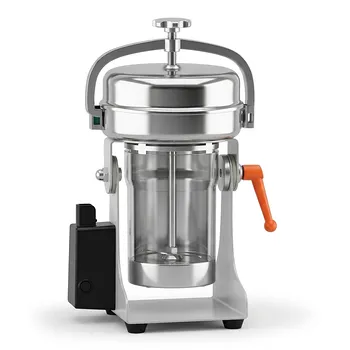
High Efficiency High Speed Grinder 2200W 25000 RPM Laboratory Sample Preparation
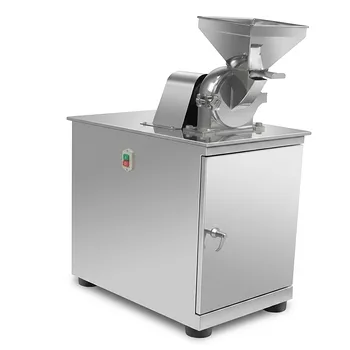
Universal Laboratory Pulverizer Grinder for Small Batch Powder Processing and Material Science Research