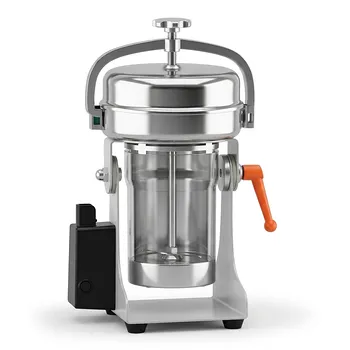
Why are crushing and grinding equipment necessary in phosphate recovery? Optimize Mineral Liberation & Recovery Rates
Updated 4 months ago
Crushing and grinding equipment are essential in phosphate recovery because they mechanically break down the ore's internal structure to achieve mineral liberation. This process reduces large phosphate rocks to a specific liberation size, typically around 200μm, which is necessary to separate valuable minerals like carbonate-fluorapatite from waste materials such as quartz, calcite, and dolomite.
Core Takeaway: The primary purpose of crushing and grinding is to transform raw ore into a fine powder where phosphate minerals are physically detached from their surrounding waste matrix. This mechanical liberation is the non-negotiable prerequisite for high selectivity and recovery rates during subsequent flotation and chemical processing.
The Mechanics of Mineral Liberation
Breaking the Gangue Matrix
Phosphate minerals do not exist in isolation; they are physically locked within a "gangue" matrix of unwanted minerals.
Crushing and grinding provide the mechanical energy required to fracture these bonds, releasing the carbonate-fluorapatite from rocky hosts like quartz and calcite.
Without this physical separation, downstream recovery methods would be unable to target the phosphate specifically, leading to high waste levels in the final product.
Reaching the Optimal Particle Size
For phosphate recovery, the industry standard for liberation is approximately 200μm.
Reducing the ore to this size ensures that the particles are small enough for the flotation process to work effectively.
If particles remain too large, the weight of the attached gangue will prevent the phosphate from floating, resulting in significant mineral loss.
Enhancing Chemical and Physical Reactivity
Increasing Specific Surface Area
Similar to leaching processes in other mining sectors, grinding significantly increases the specific surface area of the phosphate material.
A higher surface area allows chemical reagents used in flotation or acid digestion to make contact with more of the mineral's surface simultaneously.
This increased exposure accelerates chemical kinetic reactions, ensuring that the recovery process is both faster and more thorough.
Ensuring Material Homogenization
Grinding transforms heterogeneous ore clumps into a uniform powder, which is vital for consistent processing.
Much like in civil engineering or ceramic preparation, homogenization ensures that every portion of the raw material reacts predictably when exposed to stabilizers or solvents.
This uniformity eliminates "pockets" of unreacted material, which would otherwise decrease the overall efficiency of the recovery plant.
Understanding the Trade-offs
The Risk of Over-Grinding
While fine grinding is necessary, creating particles that are too small—often called "slimes"—can be detrimental.
Particles significantly smaller than the target size can interfere with flotation chemistry and are often lost in wastewater, reducing total recovery.
Furthermore, energy consumption increases exponentially as particle size decreases, making over-grinding a major financial drain on operations.
Equipment Wear and Maintenance
Phosphate ore often contains quartz, which is highly abrasive and causes rapid wear on crushing surfaces and grinding media.
Maintaining the balance between achieving the 200μm target and managing the replacement costs of liners and balls is a constant operational challenge.
Frequent monitoring of particle size distribution is required to ensure the equipment is performing efficiently without unnecessary mechanical strain.
Making the Right Choice for Your Goal
How to Apply This to Your Project
- If your primary focus is maximizing recovery rates: Prioritize precision grinding to reach the 200μm liberation size, ensuring that the target minerals are fully released from the dolomite and quartz matrices.
- If your primary focus is reducing operational costs: Implement automated size-monitoring systems to prevent over-grinding, which saves energy and reduces the production of unusable ultra-fine slimes.
- If your primary focus is downstream chemical efficiency: Focus on increasing the specific surface area through fine milling to accelerate reaction kinetics during the acidulation or leaching phases.
By mastering the balance between mechanical liberation and energy efficiency, operators can ensure that the raw material preparation stage provides a high-quality, reactive feed for successful phosphate recovery.
Summary Table:
| Feature | Primary Objective | Impact on Phosphate Recovery |
|---|---|---|
| Mineral Liberation | Break gangue bonds (quartz/calcite) | Frees carbonate-fluorapatite for separation |
| Particle Size Control | Achieve ~200μm target size | Ensures effective flotation & prevents mineral loss |
| Surface Area | Increase specific surface area | Accelerates chemical kinetics & acid digestion |
| Homogenization | Create uniform powder | Ensures consistent processing & predictable reactions |
| Size Monitoring | Prevent "slimes" (over-grinding) | Reduces energy waste & improves flotation chemistry |
Optimize Your Phosphate Processing with Precision Lab Equipment
Achieving the perfect 200μm liberation size requires more than just standard tools—it demands precision and reliability. [Brand Name] provides complete laboratory sample preparation solutions for material science, specializing in high-performance powder processing and compaction equipment.
Our extensive product line is designed to support every stage of your phosphate recovery research:
- Size Reduction: High-efficiency crushers (jaw/roll) and advanced mills (planetary ball, jet, sand/bead, and disc) for perfect mineral liberation.
- Size Analysis: Vibratory and air-jet sieve shakers to monitor particle distribution and prevent over-grinding.
- Material Characterization: A full spectrum of hydraulic presses, including Cold/Warm Isostatic Presses (CIP/WIP), XRF pellet presses, and vacuum hot presses for advanced material testing.
- Mixing: Professional powder and defoaming mixers to ensure material homogenization.
Whether you are a researcher aiming for high selectivity or a plant manager looking to reduce energy costs, our equipment delivers the durability and precision you need.
Ready to enhance your lab's efficiency and recovery rates?
Contact our experts today to find the ideal solution for your workflow!
References
- Khadija Lalam, Ahmed Chebak. Evaluation and Optimization of Phosphate Recovery from Coarse Rejects Using Reverse Flotation. DOI: 10.3390/su16198614
Mentioned Products
- Cross Beater Mill for Brittle Material Grinding and Continuous Fine Crushing Industrial Sample Preparation
- Small Laboratory Knife Crusher for Plastic Sample Preparation and Material Grinding
- Stainless Steel Coarse Crusher for Pharmaceutical Food and Plastic Material Processing
- Heightened Customized Laboratory Double Roll Crusher for Coal Ore Rock Crushing
- Versatile Industrial Crusher for Laboratory Crushing and Material Processing
People Also Ask
- Why use lab mills for corncob size reduction? Boost activated carbon surface area and activation efficiency.
- How does an industrial grinding mill contribute to groundnut shell powder preparation? Enhance Polymer Filler Performance
- What is the technical significance of the relative collision velocity of grinding media? Maximize Milling Efficiency
- What is the role of industrial crushers and grinding equipment in waste glass pretreatment for eco-friendly bricks?
- What Role Does Lab Grinding Play in Banana Fiber Thermal Coatings? Optimize Waste Into High-Performance Barriers

Tech Team · PowderPreparation
Last updated on Jun 03, 2026
Related Products
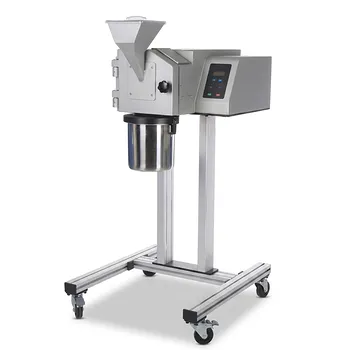
Cross Beater Mill for Brittle Material Grinding and Continuous Fine Crushing Industrial Sample Preparation
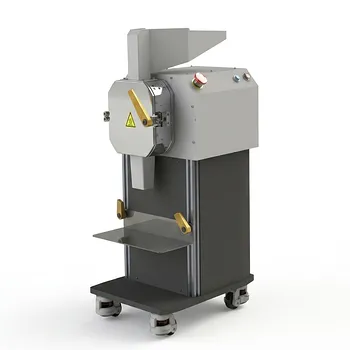
Small Laboratory Knife Crusher for Plastic Sample Preparation and Material Grinding
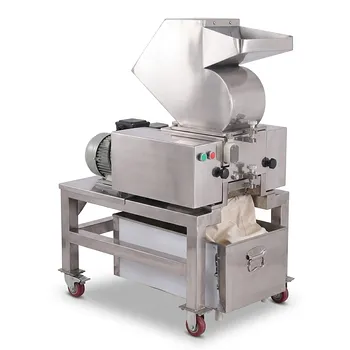
Stainless Steel Coarse Crusher for Pharmaceutical Food and Plastic Material Processing
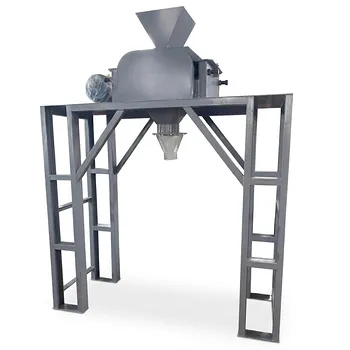
Heightened Customized Laboratory Double Roll Crusher for Coal Ore Rock Crushing
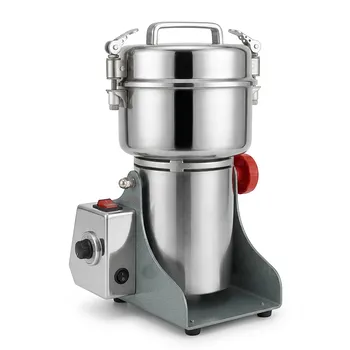
Versatile Industrial Crusher for Laboratory Crushing and Material Processing
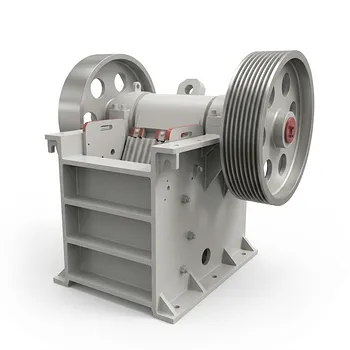
Jaw Crusher with 400x600mm Feed Opening for Primary Rock Crushing in Mining and Construction
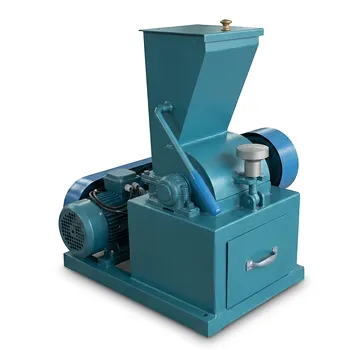
Small Hammer Crusher for Brittle Material Crushing in Mining Metallurgy and Lab Sample Preparation
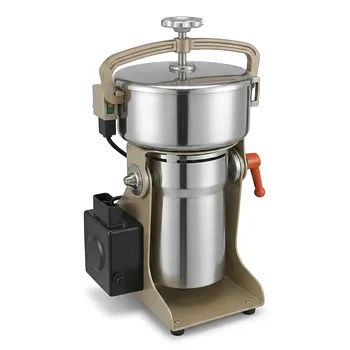
Multifunctional High Efficiency High Speed Laboratory Grinder
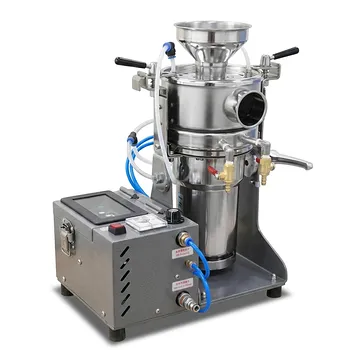
Water Cooled Pulse Jet Ultrafine Grinder
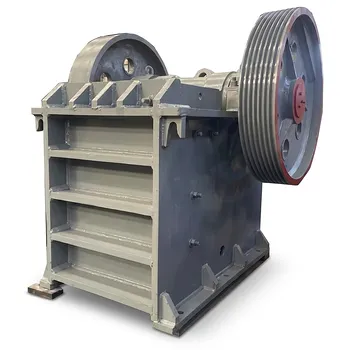
Heavy-Duty Jaw Crusher for Medium-Hard Ore and Industrial Mineral Crushing
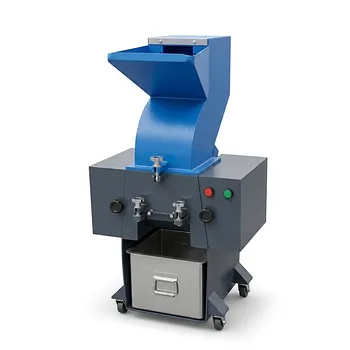
Heavy-Duty Crusher for Laboratory and Industrial Material Size Reduction
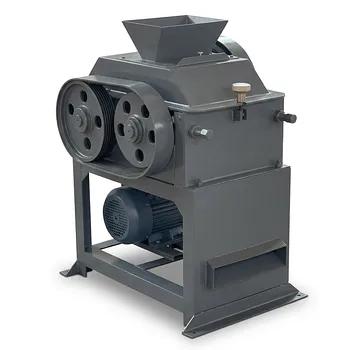
Sealed Laboratory Double Roll Crusher for Coal, Mineral, Ore Sample Preparation
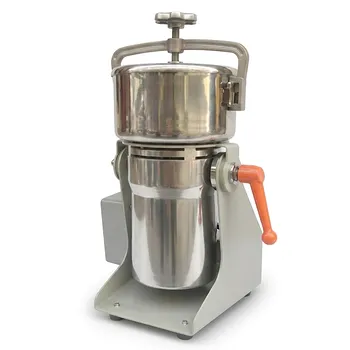
High Speed Laboratory Grinder Efficient Stainless Steel Powder Pulverizer Universal Material Science Mill for Sample Preparation
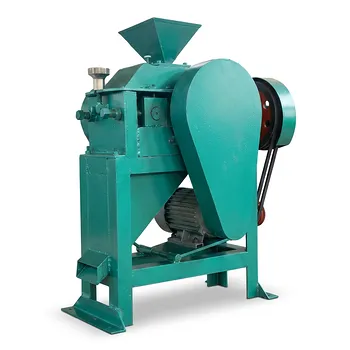
Laboratory Sealed Double Roll Crusher for Coal Ore Rock and Medium Hardness Materials Sample Preparation
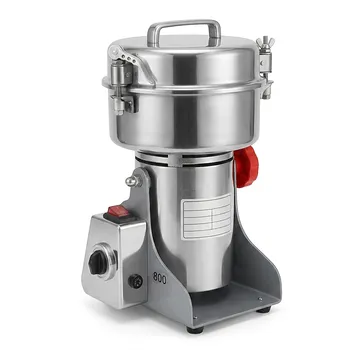
Small High-Speed Laboratory Grinder for Rapid Sample Preparation
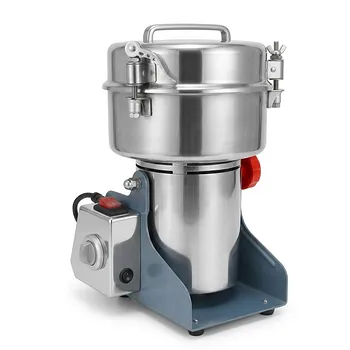
Small High-Speed Grinder for Efficient Laboratory Sample Preparation
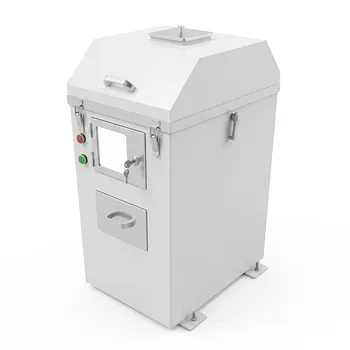
Sealed Double Roll Crusher for Laboratory Sample Preparation of Medium Hardness Materials
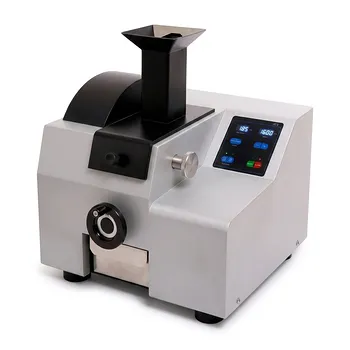
Laboratory Benchtop Jaw Crusher for Hard Brittle Materials Primary Size Reduction and Sample Preparation
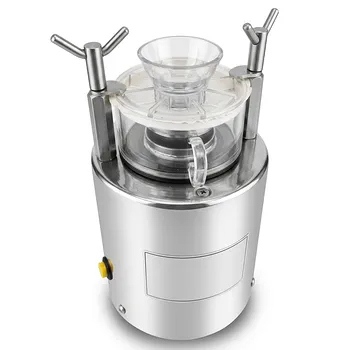
Laboratory Desktop Ultra Fine Powder Grinder High Speed Micronizing Pulverizer