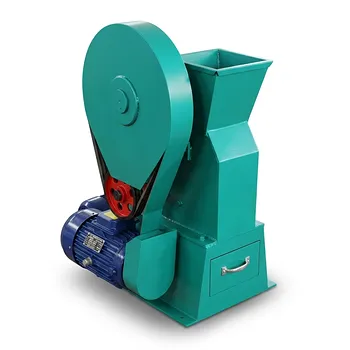
What is the function of a blade crusher equipped with a 10mm sieve in bio-based particleboard? Prep Uniform Feedstock
Updated 5 months ago
The primary function of a blade crusher equipped with a 10mm sieve is the preliminary coarse crushing of raw biomass into a uniform feedstock.
By utilizing high-speed rotational shear force, the equipment breaks down materials like wheat straw, grey alder, or softwood into manageable dimensions. The 10mm sieve acts as a critical physical regulator, ensuring that no particle exceeds a specific size limit before moving to the next stage of production.
This initial processing stage converts raw, irregular biomass into a consistent material stream, which is essential for protecting downstream equipment and ensuring the chemical or mechanical efficacy of subsequent treatments.
The Mechanics of Preliminary Coarse Crushing
Utilizing High-Speed Rotational Shear Force
The blade crusher operates by spinning internal blades at high velocities to create intense shearing actions. This mechanical force is specifically designed to overcome the structural integrity of tough, fibrous biomass like wheat straw or hardwoods.
Establishing a Dimensional Upper Limit
The integrated 10mm sieve serves as a quality control gate for the material flow. It prevents oversized fragments from exiting the chamber, ensuring the resulting "coarse" material has a predictable size distribution suitable for industrial handling.
Enhancing Feedstock Uniformity
By standardizing the dimensions of raw materials, the crusher eliminates the natural variability found in harvested biomass. This consistency is the foundation for creating high-quality bio-based particleboard with stable physical properties.
Impact on Downstream Processing
Preparing for Secondary Fine Grinding
A uniform 10mm feedstock prevents mechanical surges and blockages in secondary fine grinding equipment. This allows the fine mills to operate at a steady state, reducing energy spikes and improving the overall throughput of the production line.
Optimizing Steam Explosion Treatments
In processes involving steam explosion, uniform particle sizes allow for even heat and moisture penetration. If particles are too large or varied, the steam may fail to penetrate the core of the material, leading to incomplete fiber separation and poor board bonding.
Reducing Processing Bottlenecks
Large, irregular chunks of raw wood or straw can cause significant delays in automated feeding systems. The coarse crushing stage ensures that the material flows smoothly through conveyors and hoppers without bridging or clogging.
Understanding the Trade-offs
Energy Consumption vs. Sieve Size
While a 10mm sieve provides excellent uniformity, it increases the residence time of the material inside the crusher compared to larger sieves. This results in higher energy consumption per ton of material processed, which must be balanced against the needs of the secondary stages.
Blade Wear and Maintenance
The shear-based approach is highly effective but subjects the cutting edges to significant stress and abrasion. Processing "dirty" biomass containing silica or stones can dull the blades rapidly, potentially leading to jagged particle edges and increased dust production.
Material Loss and Fines Generation
Mechanical crushing inherently produces a percentage of "fines" or dust that may be too small for certain particleboard applications. Operators must monitor the rotation speed to minimize the creation of excess waste while still achieving the 10mm target.
How to Apply This to Your Project
When integrating a blade crusher into your bio-based particleboard production line, your choice of configuration should depend on your specific material and final product requirements.
- If your primary focus is process efficiency: Use the 10mm sieve as a standard benchmark to ensure that all downstream grinders operate at their peak rated capacity without mechanical strain.
- If your primary focus is product structural integrity: Ensure the blade crusher is regularly maintained to produce clean shear cuts, as frayed fibers can negatively impact the resin bonding phase.
- If your primary focus is versatility across biomass types: Calibrate the rotational speed of the blades when switching between softwood and straw to maintain a consistent output through the 10mm mesh.
By mastering this initial crushing stage, you ensure a stable and high-quality foundation for the entire bio-based manufacturing process.
Summary Table:
| Feature | Mechanical Mechanism | Impact on Production Process |
|---|---|---|
| High-Speed Blades | Rotational Shear Force | Breaks down tough, fibrous biomass like straw or hardwood effectively. |
| 10mm Integrated Sieve | Dimensional Regulation | Sets a predictable upper size limit; prevents oversized fragments. |
| Standardized Output | Material Uniformity | Protects downstream fine mills and ensures even steam penetration. |
| Automated Flow | Consistent Feedstock | Prevents mechanical blockages in conveyors and automated feeding systems. |
Elevate Your Material Science Research with KinTek Solutions
Are you looking to optimize your biomass processing or laboratory sample preparation? KinTek provides complete, professional solutions for material science, specializing in high-performance powder processing and compaction equipment.
Our extensive product lines are designed to meet the rigorous demands of both research and industrial applications:
- Crushing & Grinding: High-efficiency jaw/roll crushers, liquid nitrogen cryogenic grinders, and advanced mills (planetary ball, jet, sand/bead, disc, and rotor).
- Sieving & Mixing: Precision vibratory and air-jet sieve shakers with various meshes, plus specialized powder and defoaming mixers.
- Pressing & Compaction: A full spectrum of hydraulic presses, including Cold/Warm Isostatic Presses (CIP/WIP), standard lab presses, XRF pellet presses, and vacuum hot presses.
Whether you are refining feedstock for bio-based products or developing advanced materials, our equipment ensures precision, durability, and superior results. Contact our experts today to find the perfect equipment for your workflow!
References
- Ramūnas Tupčiauskas, Gunars Pavlovics. Physical–Mechanical Properties of Innovative Biobased Particleboards for Application in External Building Façades. DOI: 10.3390/f16081359
Mentioned Products
- Laboratory Sealed Hammer Blade Crusher Divider for High Hardness Sample Preparation
- Small Laboratory Knife Crusher for Plastic Sample Preparation and Material Grinding
- Heavy-Duty Crusher for Laboratory and Industrial Material Size Reduction
- Small Hammer Crusher for Brittle Material Crushing in Mining Metallurgy and Lab Sample Preparation
- Versatile Industrial Crusher for Laboratory Crushing and Material Processing
People Also Ask
- What role does a laboratory hammer mill play in bio-based particleboard prep? Optimize Feedstock for Better Bonding
- What role does a laboratory hammer mill play in composite powder prep? Precision Grinding for Uniform Blending.
- Why use lab mills for corncob size reduction? Boost activated carbon surface area and activation efficiency.
- What is the primary function of industrial mechanical crushing equipment for coconut shell powder composites?
- How does a laboratory hydraulic press ensure ceramic green body quality? Precision Compaction for Bismuth Ferrite

Tech Team · PowderPreparation
Last updated on May 14, 2026
Related Products
Laboratory Sealed Hammer Blade Crusher Divider for High Hardness Sample Preparation
Small Laboratory Knife Crusher for Plastic Sample Preparation and Material Grinding
Heavy-Duty Crusher for Laboratory and Industrial Material Size Reduction
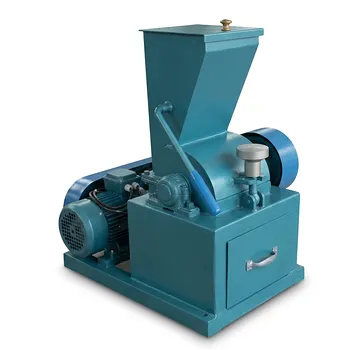
Small Hammer Crusher for Brittle Material Crushing in Mining Metallurgy and Lab Sample Preparation
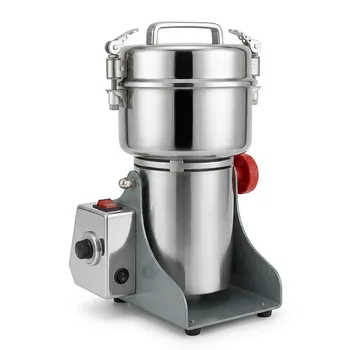
Versatile Industrial Crusher for Laboratory Crushing and Material Processing
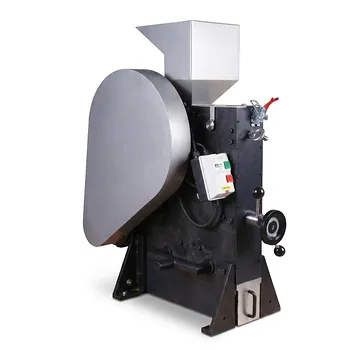
Heavy Duty Industrial Laboratory Jaw Crusher for Primary Sample Preparation and Hard Material Size Reduction
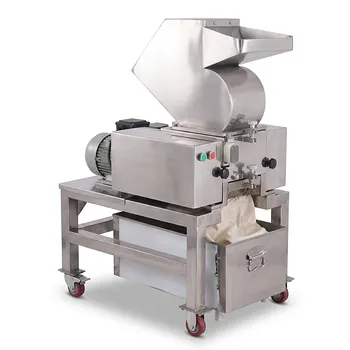
Stainless Steel Coarse Crusher for Pharmaceutical Food and Plastic Material Processing
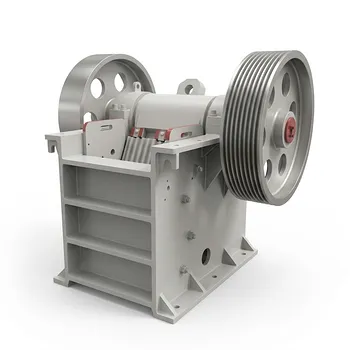
Jaw Crusher with 400x600mm Feed Opening for Primary Rock Crushing in Mining and Construction
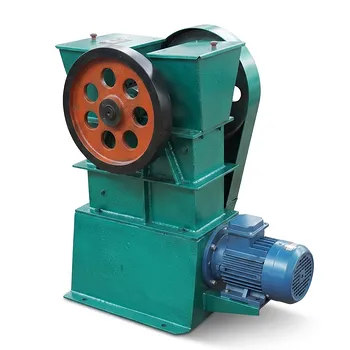
150×125mm Laboratory Jaw Crusher for Medium and Fine Crushing of Brittle Materials
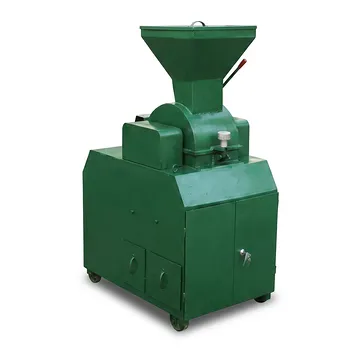
Industrial Sealed Hammer Knife Crusher for Mining Ore and Coal Sample Preparation
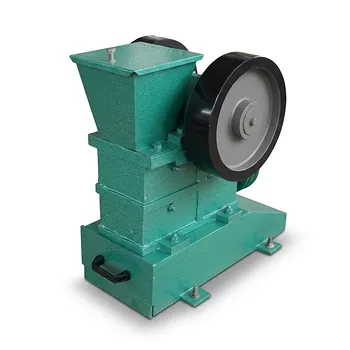
Laboratory Small Jaw Crusher 100x60mm
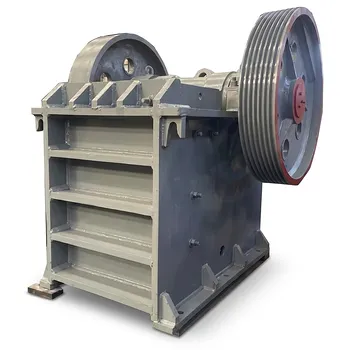
Heavy-Duty Jaw Crusher for Medium-Hard Ore and Industrial Mineral Crushing
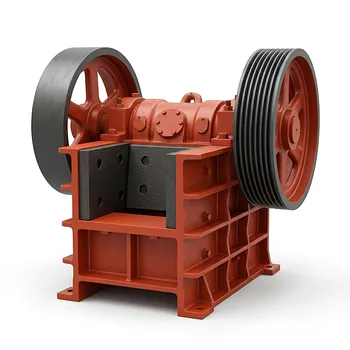
250x400 Jaw Crusher for Primary Crushing of Ores and Bulk Materials
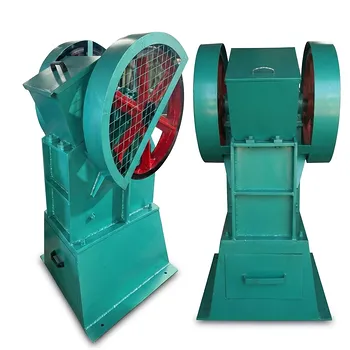
Sealed Jaw Crusher for Laboratory Material Crushing and Sample Preparation
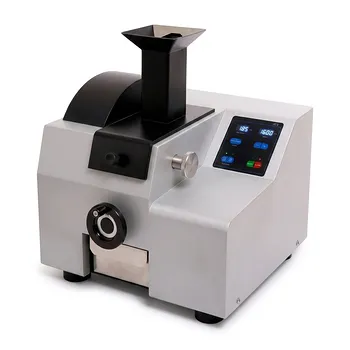
Laboratory Benchtop Jaw Crusher for Hard Brittle Materials Primary Size Reduction and Sample Preparation
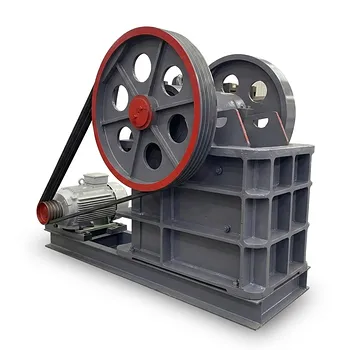
250x400mm Jaw Crusher Medium Crushing Equipment for Mining Mineral Sample Preparation
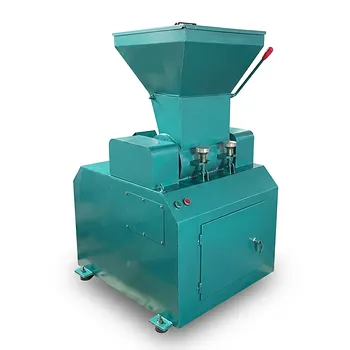
Sealed Hammer Crusher for Laboratory Coal Sample Preparation Adjustable Output Size
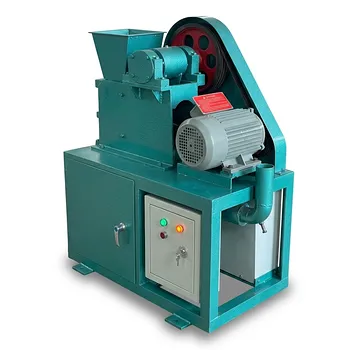
EP-B Type Sealed Jaw Crusher for Laboratory Sample Preparation
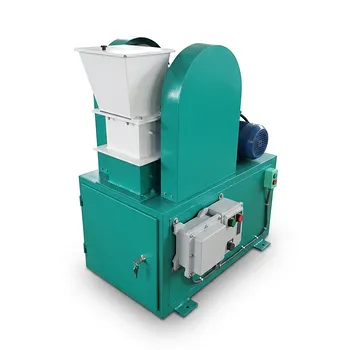
Custom Explosion-Proof Sealed Jaw Crusher for Laboratory and Industrial Sample Preparation