How does laboratory mixing equipment facilitate the preparation of high solid-loading alumina slurries? Expert Insights
Updated 4 months ago
Laboratory mixing equipment facilitates the preparation of high solid-loading alumina slurries by applying mechanical shear force to overcome particle-to-particle attraction. This process ensures the uniform wetting of alumina powder and the preliminary de-agglomeration of clusters, even at high concentrations such as 40 vol%. By providing a controlled, constant-speed stirring environment, the equipment transforms a dry powder and liquid mixture into a homogeneous, flowable suspension.
High solid-loading alumina slurries rely on laboratory mixing equipment to convert mechanical energy into hydraulic shear, which is essential for breaking down powder agglomerates and ensuring every particle is uniformly wetted. This process is the foundation for achieving predictable rheological behavior and structural integrity in the final ceramic product.
Mechanisms of De-agglomeration and Homogenization
Mechanical Shear Force and Particle Wetting
The primary function of laboratory stirring equipment is to provide forced mixing through mechanical shear. This force is necessary to push distilled water into the interstitial spaces of the alumina powder, ensuring uniform wetting of the surface area.
Without sufficient shear, high solid-loading mixtures (such as 40 vol%) would remain as dry clumps or non-uniform pastes. The equipment maintains a constant-speed stirring protocol to ensure that the energy input is consistent, which is critical for reproducible results in research and development.
Breaking Down Agglomerates
Alumina powders naturally form agglomerates due to van der Waals forces and surface moisture. Mixing equipment, particularly high-energy mixers or ball mills, utilizes impact and shear to physically pull these clusters apart.
This de-agglomeration is essential for creating a highly uniform dispersion. By eliminating these clusters, the equipment ensures that the slurry achieves a high degree of homogeneity, which prevents structural defects during subsequent processes like tape casting or compression molding.
Molecular and Paste-Level Distribution
In specialized applications like combustion synthesis, mixing equipment ensures that oxidants and reductants are distributed at a molecular level. This precision is required for a stable reaction and consistent particle size in the resulting nano-alumina powders.
For thicker mixtures, powder mixing and homogenizing machines forcibly blend solid particles with liquid binders into a uniform paste. This ensures the binder evenly coats every particle, providing the necessary wet strength for green bodies during the molding phase.
Establishing Technical Baselines and Stability
Defining Rheological Baselines
A critical use of laboratory mixers is establishing a rheological testing baseline. By mixing alumina with distilled water without the use of dispersants, researchers can isolate and study the inherent properties of the powder, such as morphology and surface state.
This "clean" mixing process allows for the objective evaluation of how particle size and shape influence flow behavior. It provides a standard reference point before chemical additives are introduced to the system.
Enhancing Slurry Stability for Manufacturing
In manufacturing contexts, such as the production of solid electrolytes, mixing equipment integrates dispersants and binders into the slurry. The continuous shear force ensures these additives are effectively distributed to stabilize the suspension.
Extended processing in a laboratory ball mill (often up to 24 hours) ensures high dispersity. This stability is vital for preventing sedimentation and ensuring that the final material—whether it be a ceramic sheet or a geopolymer—maintains a dense, networked structure.
Understanding the Trade-offs and Limitations
Air Entrainment and Defoaming
One of the most significant trade-offs of high-speed mixing and ball milling is the inadvertent introduction of air bubbles. While the mechanical energy is necessary for dispersion, it can trap gases that lead to porosity and "abnormal stress concentrations" in the finished material.
Media Contamination vs. Processing Time
Laboratory ball mills are highly effective at breaking down particles but require extended grinding cycles. During these long durations, the grinding media can wear down, potentially introducing impurities into the alumina slurry.
Energy Intensity vs. Material Integrity
High-energy mixing provides rapid homogenization but can generate excessive heat. In certain chemical sensitive formulations, such as those involving specific binders or oxidants, this heat must be carefully managed to prevent premature reactions or degradation of the organic components.
How to Apply This to Your Project
To achieve the best results with high solid-loading alumina slurries, you must align your equipment choice with your specific analytical or production goals.
- If your primary focus is fundamental material research: Use constant-speed stirring with distilled water and no dispersants to establish an accurate rheological baseline based solely on powder morphology.
- If your primary focus is producing defect-free green sheets: Prioritize high-energy mixing or ball milling with dispersants to ensure the high homogeneity required for successful tape casting.
- If your primary focus is chemical synthesis of nano-powders: Utilize high-speed shearing to ensure molecular-level distribution of reactants, which guarantees consistent phase purity during combustion.
- If your primary focus is structural geopolymerization: Employ multi-functional mixers with both low and high-speed modes to ensure thorough contact between precursors and alkaline activators.
By matching the mechanical energy of the mixing equipment to the specific surface chemistry of your alumina powder, you ensure a stable, high-performance slurry tailored to your technical requirements.
Summary Table:
| Feature | Mixing Mechanism | Key Benefit to Alumina Slurries |
|---|---|---|
| Mechanical Shear | Forced particle wetting | Overcomes attraction to ensure flowability |
| De-agglomeration | Breaking van der Waals clusters | Ensures highly uniform dispersion and homogeneity |
| Constant-Speed | Stable energy input | Establishes accurate rheological baselines |
| High-Energy Milling | Impact and grinding | Achieves high dispersity for dense ceramics |
| Vacuum/Defoaming | Gas removal | Eliminates porosity and structural defects |
Optimize Your Alumina Slurry Homogeneity with Professional Lab Solutions
Achieving the perfect high solid-loading slurry requires more than just mixing—it requires the right mechanical energy and precision. At Our Laboratory Solutions, we provide a complete spectrum of material science equipment designed for the most demanding powder processing workflows.
Whether you are conducting fundamental research or scaling up production, our extensive line includes:
- Advanced Mills: Planetary ball mills, jet mills, and rotor mills for superior de-agglomeration.
- Precision Mixers: Specialized powder mixers and defoaming mixers to ensure air-free, uniform pastes.
- Sample Preparation: Jaw/roll crushers and vibratory sieve shakers for consistent particle sizing.
- Compaction Excellence: A full range of hydraulic presses, including Cold/Warm Isostatic Presses (CIP/WIP), hot presses, and vacuum hot presses for final material shaping.
Ready to enhance your lab's efficiency and material structural integrity? Contact us today to discuss how our specialized equipment can solve your complex slurry preparation challenges!
References
- Wenjie Yuan, Hongxi Zhu. Effects of Powder Characteristics on Rheological Properties of Alumina Slurries. DOI: 10.2991/ame-16.2016.111
Mentioned Products
- Horizontal Ribbon Mixer for Uniform Powder and Slurry Mixing
- Laboratory Basket Sand Mill for Wet Grinding and Dispersion of Viscous Slurries
- Horizontal Ribbon Mixer for Dry Powder and Slurry Blending
- High Shear Laboratory Emulsifier for Mixing and Homogenization
- Three-Dimensional Motion Mixer for Laboratory Powder and Granule Blending
People Also Ask
- How does the fill level of a horizontal mixer influence the selection of the stirring mechanism? Optimize Your Design
- What is the technical significance of radial clearance in horizontal mixers? Boost Homogeneity & Reduce Dead Zones.
- What is the function of additives like cellulose or wax in lab mixers? Enhance Pellet Integrity and Strength
- How does a laboratory mixer ensure the final performance of lead-zinc metallurgical slag-based mortar? Best Practices
- How does a laboratory mixer facilitate mixing PE wax and bentonite? Master Shear Force for Superior Material Properties

Tech Team · PowderPreparation
Last updated on Jun 03, 2026
Related Products
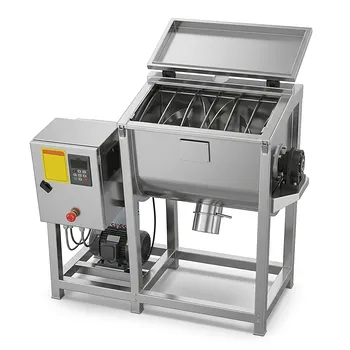
Horizontal Ribbon Mixer for Uniform Powder and Slurry Mixing
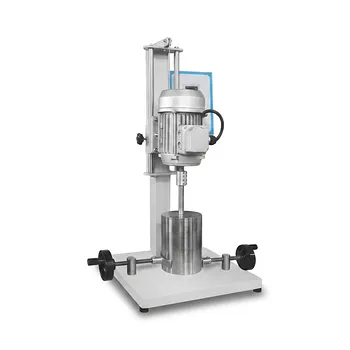
Laboratory Basket Sand Mill for Wet Grinding and Dispersion of Viscous Slurries
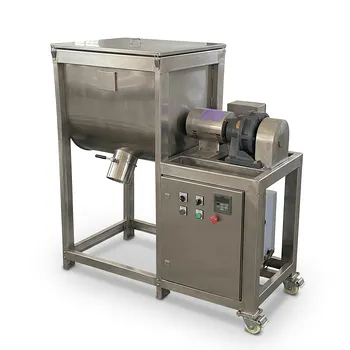
Horizontal Ribbon Mixer for Dry Powder and Slurry Blending
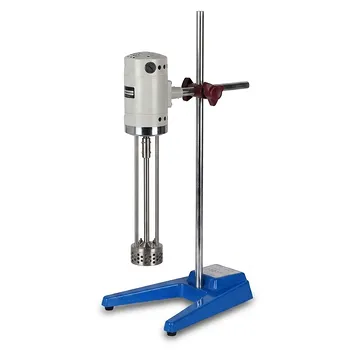
High Shear Laboratory Emulsifier for Mixing and Homogenization
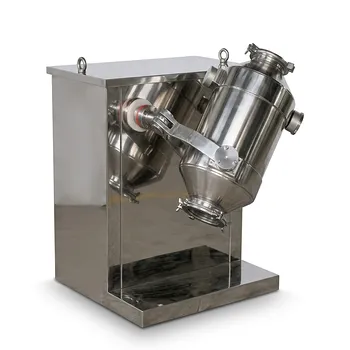
Three-Dimensional Motion Mixer for Laboratory Powder and Granule Blending
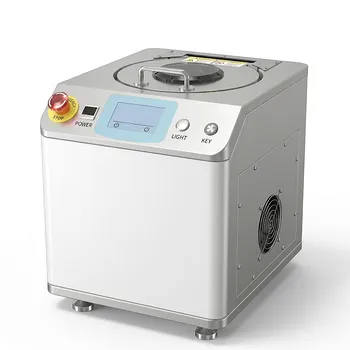
High Efficiency Vacuum Planetary Centrifugal Mixer and Defoaming Machine for Industrial Material Research and Precise Laboratory Powder Dispersion
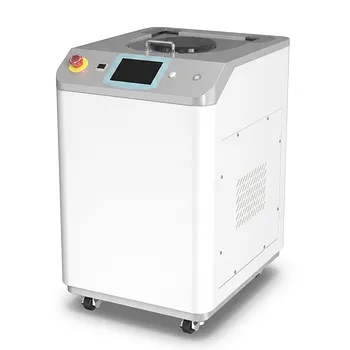
High Viscosity Planetary Centrifugal Mixing and Vacuum Defoaming Machine for Laboratory Material Preparation
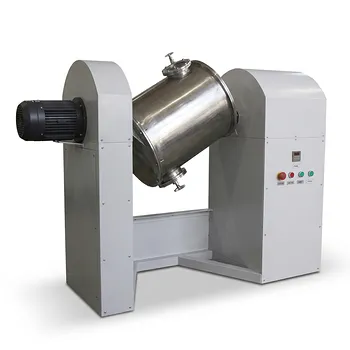
Inclined Mixer for Homogeneous Powder Blending and Grinding
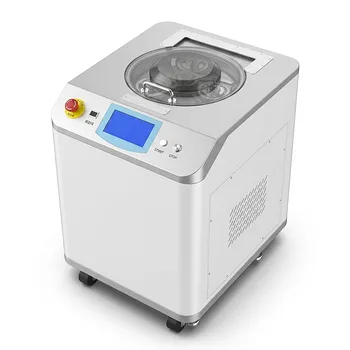
Dual Cup Vacuum Centrifugal Mixer Planetary Paste Defoaming Machine Industrial Material Processor
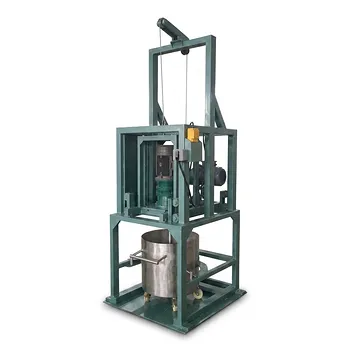
High-Speed Simple Disperser for Efficient Mixing, Dispersion, and Emulsification

360° Rotating Omnidirectional Laboratory Planetary Ball Mill for Homogeneous Ultra-Fine Grinding and Mixing
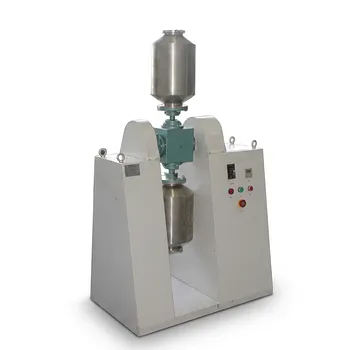
Multi Dimensional Universal Mixer for High Uniformity Powder Blending
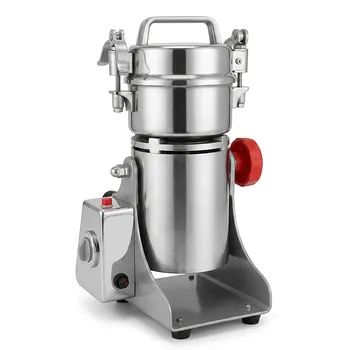
Industrial High Speed Small Sample Pulverizer Swing Type Laboratory Grinder for Powder Processing
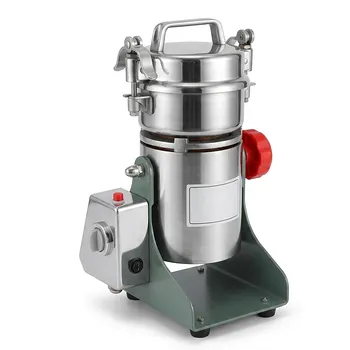
High Speed Swing Type Laboratory Pulverizer for Fine Powder Grinding and Sample Preparation
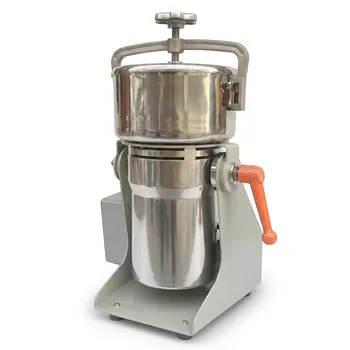
High Speed Laboratory Grinder Efficient Stainless Steel Powder Pulverizer Universal Material Science Mill for Sample Preparation
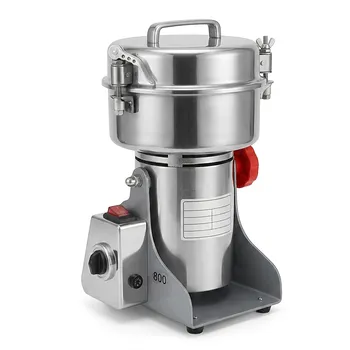
Small High-Speed Laboratory Grinder for Rapid Sample Preparation
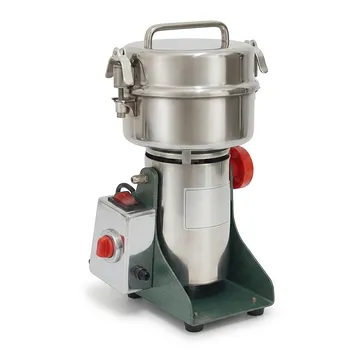
Small High Speed Grinder for Laboratory Sample Preparation
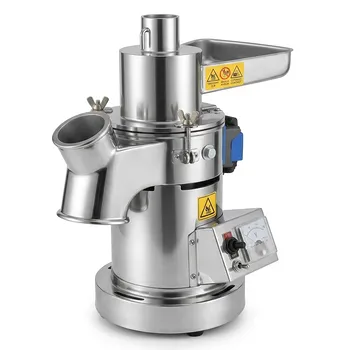
Continuous Feeding Grinder High Efficiency Pulverizer for Lab Sample Preparation
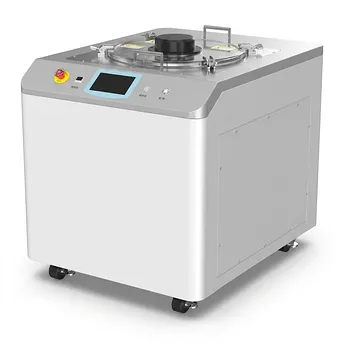
Industrial Planetary Centrifugal Vacuum Defoaming Mixer for High Viscosity Paste and Powder Homogenization