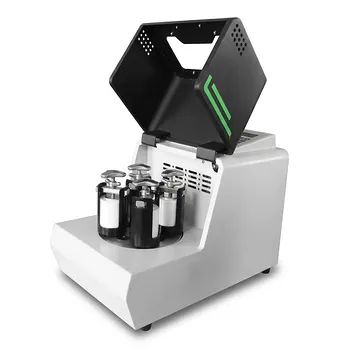
How does a laboratory mill prepare Amaranth Seed Powder? Optimize Particle Size for Better Nutrient Fractionation
Updated 5 months ago
Precision milling is the foundational step in unlocking the nutritional potential of amaranth seeds. A laboratory mill facilitates the preparation of Amaranth Seed Powder by applying mechanical shear and extrusion forces to break down the hard seed structure. This process establishes a precise particle size gradient, which is the critical factor determining how effectively proteins, lipids, and starches can be separated and concentrated during subsequent fractionation for nutrient enrichment studies.
The laboratory mill serves as the primary mechanism for nutrient control, using mechanical force to dictate particle size distribution. By carefully managing this initial breakdown, researchers can effectively isolate and concentrate specific macronutrients, transforming raw seeds into targeted ingredients for nutritional applications.
The Mechanics of Seed Disintegration
Overcoming Structural Integrity with Shear and Extrusion
Amaranth seeds possess a robust physical structure that requires high-energy mechanical forces to achieve effective reduction. The laboratory mill utilizes shear and extrusion forces to disrupt the seed's cellular matrix without compromising its chemical composition. This mechanical action ensures the hard seeds are reduced to a powder fine enough for accurate laboratory analysis and processing.
Establishing the Particle Size Gradient
The primary objective of the milling phase is not just reduction, but the creation of a functional particle size gradient. This gradient acts as the "blueprint" for all subsequent processing steps. By controlling the distribution of particle sizes, researchers can predict and manipulate the behavior of the powder during the separation phase.
The Impact on Nutrient Fractionation
Influencing Component Concentration
The particle size achieved during milling directly influences the success of fractionation operations. Different components of the amaranth seed, such as the protein-rich germ and the starchy perisperm, break down into different sizes based on their physical properties. The mill's ability to create these distinct fractions is what allows researchers to isolate high concentrations of proteins, lipids, and starch.
Facilitating Enrichment Studies
In the context of nutrient enrichment, the mill provides the raw material necessary to create "fortified" fractions. By identifying which particle sizes contain the highest nutrient density, scientists can select specific powder components to enhance the nutritional profile of other foods. This precision is essential for developing reproducible data in enrichment research.
Understanding the Trade-offs
Heat Generation and Nutrient Integrity
A significant pitfall in mechanical milling is the generation of friction-induced heat. Excessive heat can denature sensitive proteins or oxidize lipids, potentially skewing the results of a nutrient study. Researchers must balance the need for fine particle sizes with the risk of thermal degradation.
Over-Milling and Processing Efficiency
Processing seeds for too long can result in "over-milling," creating particles that are too fine for standard air classification or sieving. This leads to a loss of material and reduced efficiency in the fractionation stage. Finding the optimal milling duration is critical to maintaining a balance between particle size and yield.
Optimizing Your Milling Strategy
Selecting the right approach to milling depends on which macronutrient you intend to isolate for your study.
- If your primary focus is protein concentration: Prioritize milling settings that maximize the detachment of the protein-rich germ from the starchy perisperm to ensure cleaner fractionation.
- If your primary focus is lipid or starch recovery: Adjust the extrusion force to ensure the lipid-rich components are processed without excessive oil release, which can cause the powder to clump and hinder separation.
Masterful control over initial milling parameters is the most reliable way to ensure the success and reproducibility of your amaranth nutrient enrichment studies.
Summary Table:
| Stage of Preparation | Mechanism / Action | Impact on Nutrient Study |
|---|---|---|
| Disintegration | Shear & Extrusion forces | Breaks hard seed matrix without chemical loss |
| Size Control | Particle size gradient | Dictates efficiency of protein & lipid separation |
| Fractionation | Component isolation | Enables concentration of targeted macronutrients |
| Optimization | Heat & Duration control | Prevents nutrient denaturation and material loss |
Elevate Your Material Preparation with Precision Solutions
Achieving the perfect particle size is critical for reliable nutrient enrichment and material science studies. At [Company Name], we provide complete laboratory sample preparation solutions tailored to your specific research needs. Whether you are processing resilient seeds or advanced powders, our equipment ensures maximum integrity and efficiency.
Our specialized product lines include:
- Size Reduction: High-performance crushers (jaw/roll), liquid nitrogen cryogenic grinders, and versatile mills (planetary ball, jet, sand, disc, and rotor).
- Classification & Mixing: Vibratory and air-jet sieve shakers with precision meshes, plus advanced powder and defoaming mixers.
- Compaction & Pressing: A full spectrum of hydraulic presses, including Cold/Warm Isostatic Presses (CIP/WIP), standard lab presses, XRF pellet presses, and vacuum hot presses.
Ready to enhance your lab's processing capabilities? Contact us today to find the perfect solution for your workflow!
References
- Ionica Coțovanu, Silvia Mironeasa. Effects of molecular characteristics and microstructure of amaranth particle sizes on dough rheology and wheat bread characteristics. DOI: 10.1038/s41598-022-12017-7
Mentioned Products
- High Speed Laboratory Powder Grinder Small Batch Sample Preparation Mill
- Vibratory Superfine Grinder for Ultra Fine Laboratory Powder Milling
- Industrial High Speed Small Sample Pulverizer Swing Type Laboratory Grinder for Powder Processing
- Small Trace Sample High Speed Pulverizer Grinder Laboratory Powder Mill
- High Speed Laboratory Grinder Efficient Stainless Steel Powder Pulverizer Universal Material Science Mill for Sample Preparation
People Also Ask
- What role does a laboratory grinder play in the pretreatment of sunflower seed shell-based adsorbents? Boost Efficiency.
- How does a laboratory grinder or mill enhance the adsorption performance of agricultural waste materials? Boost Surface Area
- What is the function of a laboratory high-speed pulverizer in the preparation of eggshell powder? Essential Pretreatment
- What is the role of laboratory grinding equipment in the preparation of waste glass powder for eco-friendly red bricks?
- Why is grinding equipment necessary for SnO2-Sb2O3 xerogels? Maximize surface area and photocatalytic activity.

Tech Team · PowderPreparation
Last updated on May 14, 2026
Related Products
High Speed Laboratory Powder Grinder Small Batch Sample Preparation Mill
Vibratory Superfine Grinder for Ultra Fine Laboratory Powder Milling
Industrial High Speed Small Sample Pulverizer Swing Type Laboratory Grinder for Powder Processing
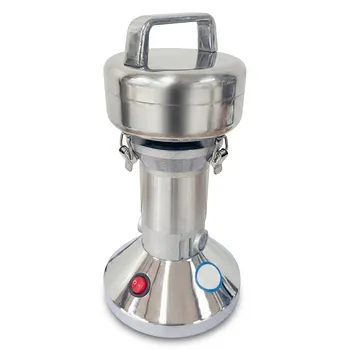
Small Trace Sample High Speed Pulverizer Grinder Laboratory Powder Mill
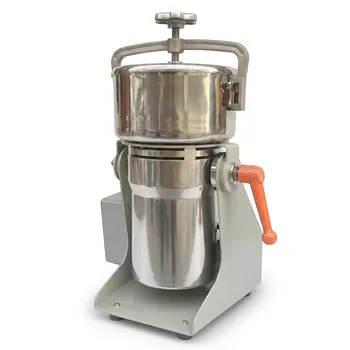
High Speed Laboratory Grinder Efficient Stainless Steel Powder Pulverizer Universal Material Science Mill for Sample Preparation
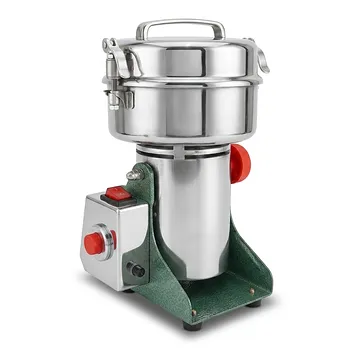
Small High-Speed Laboratory Grinder for Powder Processing
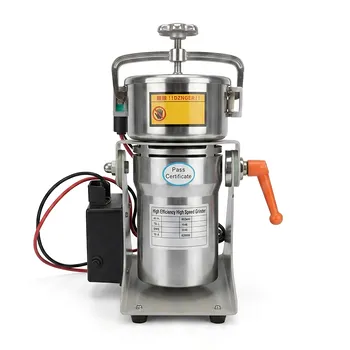
High Efficiency High Speed Grinder Laboratory Mill 1300W 25000rpm
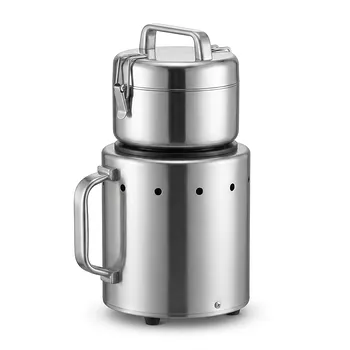
Small High Speed Grinder for Laboratory Sample Preparation
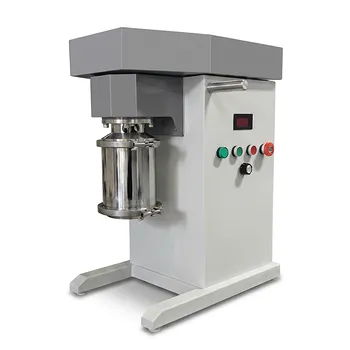
Nano Laboratory Bead Mill Desktop Sub Micron Sand Mill Screenless Seal Less Powder Grinder
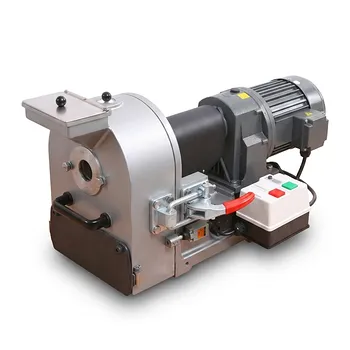
Laboratory Disc Mill for Fine Sample Preparation of Hard and Brittle Materials
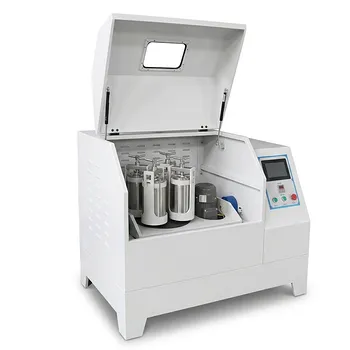
360° Rotating Omnidirectional Laboratory Planetary Ball Mill for Homogeneous Ultra-Fine Grinding and Mixing
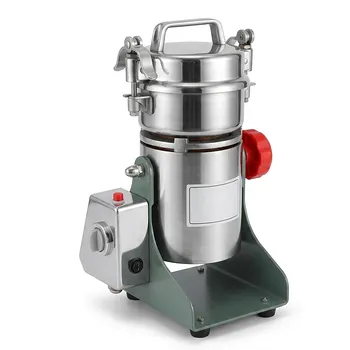
High Speed Swing Type Laboratory Pulverizer for Fine Powder Grinding and Sample Preparation
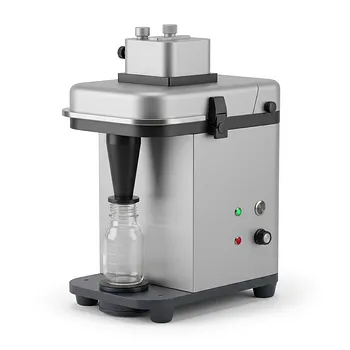
Cyclonic Laboratory Mill for NIR Spectroscopy Sample Preparation Food and Feed Grinding
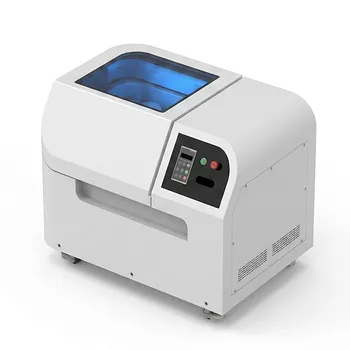
8L Planetary Ball Mill for Laboratory Grinding and Sample Preparation
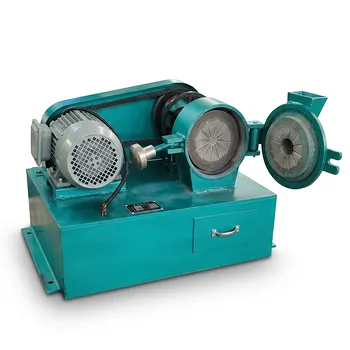
Laboratory Disc Mill Medium Hard Material Grinding Coal Coke Ore Pulverizer
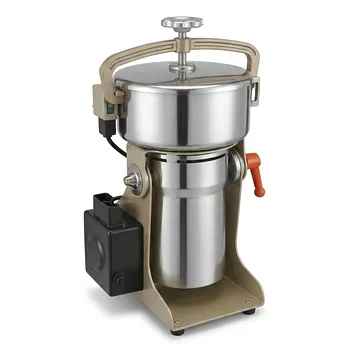
Multifunctional High Efficiency High Speed Laboratory Grinder
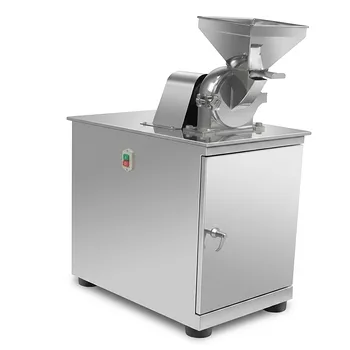
Universal Laboratory Pulverizer Grinder for Small Batch Powder Processing and Material Science Research
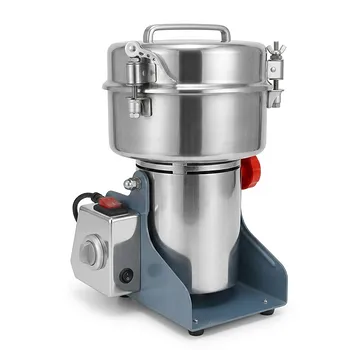
Small High-Speed Grinder for Efficient Laboratory Sample Preparation
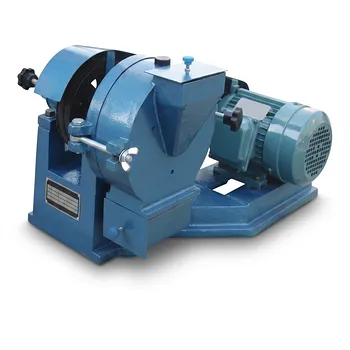
Laboratory Disc Mill for Ore and Mineral Sample Preparation